

7
September
Why Aging Backflow Preventers Can Put Your Water at Risk
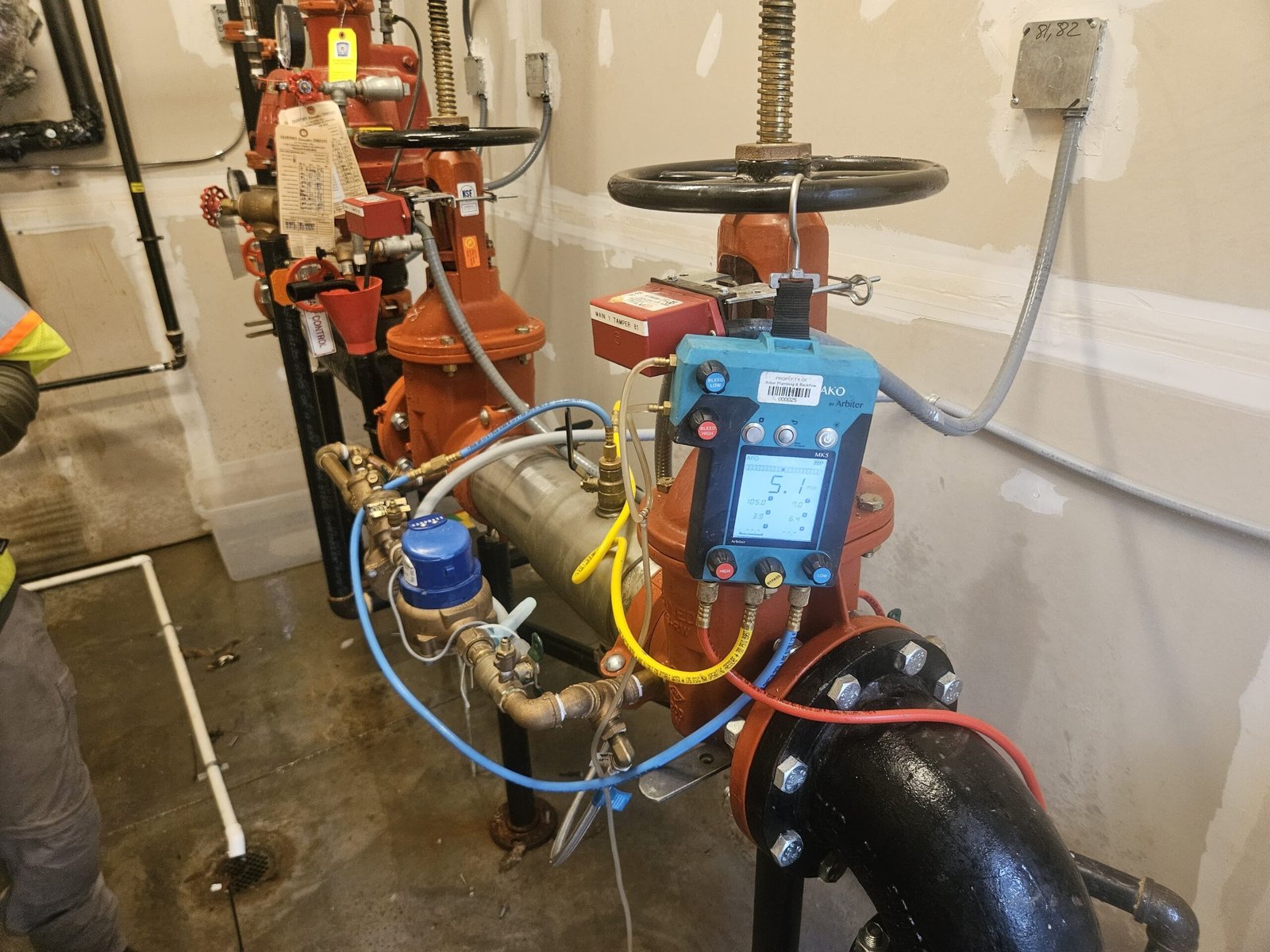
Clean and safe water is something every home and business needs. A backflow preventer plays an important role in helping protect the drinking water supply from unwanted water flow. Over time, however, these devices can become worn, damaged, or less effective. When that happens, the risk of water contamination can increase.
Aging equipment should not be ignored, especially when it is connected to a potable water system. Regular inspection, testing, repair, and replacement can help keep the system working as it should. If a device is no longer reliable, professional backflow replacement specialists can help determine the right solution.
What Is a Backflow Preventer?
A backflow preventer is a plumbing device designed to stop water from flowing backward into a clean water supply. Normally, water moves in one direction from the public water system toward a property. Backflow can happen when pressure changes cause water to move in the opposite direction.
This matters because water on the property may come into contact with chemicals, fertilizers, wastewater, or other substances that should never enter the drinking water supply. North Carolina law defines a backflow preventer as an assembly, device, or method that prevents backflow into potable water systems.
Different properties may need different types of backflow protection. The North Carolina Plumbing Code includes devices such as reduced pressure principle assemblies, double check assemblies, and pressure vacuum breakers for different situations and hazard levels.
Why Do Backflow Preventers Age?
Like many mechanical plumbing components, backflow preventers can wear out with time. They contain valves, springs, seals, and other parts that may experience repeated pressure changes and normal wear.
Outdoor assemblies can also face extra problems. Freezing temperatures, moisture, dirt, corrosion, and physical damage may affect their performance. The North Carolina Plumbing Code requires backflow preventers to be protected from freezing or installed in a way that allows protection from freezing.
Even when a backflow preventer looks fine from the outside, an internal part may not be working correctly. This is one reason professional testing is important.
5 Signs Your Backflow Preventer May Need Replacement
1. The Device Fails a Test
One of the clearest warning signs is a failed backflow test. Testing can show whether the internal parts are maintaining the required pressure and protecting the water supply.
A failed test does not always mean the entire assembly must be replaced. In some cases, a repair may solve the problem. However, an older device with repeated failures may be a better candidate for replacement.
2. You Notice Leaks
Water leaking around the backflow assembly should not be ignored. A leak can point to worn seals, damaged valves, corrosion, or another internal problem.
Small leaks may become larger over time. A professional inspection can help determine whether the unit can be repaired or whether replacement is the better choice.
3. The Assembly Shows Corrosion or Damage
Backflow preventers that remain outdoors can be exposed to rain, humidity, dirt, and temperature changes. Over time, these conditions can cause corrosion.
Visible damage, broken parts, damaged test cocks, or heavy corrosion may affect maintenance and testing. A damaged assembly should be checked by a qualified professional before it continues to be used.
4. Repairs Keep Failing
Repairing a backflow preventer can be a good option when the device is otherwise in suitable condition. But repeated repairs can become frustrating and costly.
If the same assembly continues to fail tests or develop new problems, replacement may provide a more dependable long term solution. Backflow repair specialists can inspect the assembly and explain whether repair or replacement makes more sense.
5. The Device Is Old and Difficult to Maintain
Older assemblies may have worn components or may be harder to service. Replacement parts may also be less convenient to obtain depending on the model.
A professional can check the existing assembly, its application, and the level of protection needed. If replacement is recommended, the new assembly should be appropriate for the property’s specific water system and hazard level.
How an Aging Backflow Preventer Can Put Water at Risk
The main concern with an aging or damaged backflow preventer is that it may not provide the protection expected from it.
Backflow can occur through two common conditions: backpressure and backsiphonage. A pressure change can allow water from a connected system to move toward the potable water supply.
The water flowing backward may contain substances that are not safe for drinking. The EPA identifies complaints such as unusual odor or discoloration, physical harm, and changes in water pressure as possible indicators of a backflow incident.
This is why a backflow preventer should be treated as an important part of water safety rather than simply another plumbing component.
Repair or Replacement: Which One Is Better?
Not every problem requires a complete replacement. A trained professional can inspect the device and determine what is wrong.
Repair may be suitable when the assembly is in good overall condition and the damaged components can be safely replaced. Replacement may be recommended when the assembly has extensive corrosion, repeated failures, serious damage, or other problems that make continued repair impractical.
Working with experienced backflow repair specialists can help property owners understand their options before making a decision.
If the existing device is beyond repair, backflow replacement specialists can help select and install an appropriate replacement assembly. The replacement should match the property’s required level of protection and applicable plumbing requirements.
Why Professional Backflow Replacement Matters
Backflow prevention is not simply about removing an old device and installing a new one. The replacement needs to be suitable for the application and installed correctly.
North Carolina requirements state that backflow assemblies should be installed according to manufacturer recommendations and positioned so they can function properly and remain accessible for testing, maintenance, and inspection.
Professional service can also help prevent common installation mistakes. An improperly selected or installed assembly may not provide the protection the property needs.
For North Carolina property owners, the requirements can also vary based on the property, water connection, and level of hazard. State law allows certain local water systems to require backflow protection in specific circumstances, including situations involving high hazards.
What Happens During Backflow Replacement?
A professional replacement generally begins with an inspection of the existing assembly. The technician can identify the type of device, check its condition, and determine whether repair is practical.
If replacement is needed, the water supply may need to be shut off while the old assembly is removed. The new assembly is then installed in the proper location and checked for correct operation.
Testing after repair or replacement is important. For example, the Town of Apex states that a backflow test is required after a backflow preventer is repaired or replaced.
Property owners should also keep testing and reporting requirements in mind because local rules can apply.
How to Protect Your Backflow Preventer
A few simple steps can help extend the useful life of a backflow assembly:
- Schedule required testing with a qualified tester.
- Look for visible leaks or corrosion.
- Protect outdoor assemblies from freezing conditions.
- Keep the area around the device accessible.
- Do not ignore a failed test.
- Have unusual pressure changes investigated.
- Repair damaged components promptly.
- Consider replacement when repeated repairs are needed.
Regular attention can help identify small problems before they become larger plumbing concerns.
When Should You Call a Professional?
You should consider professional help if your backflow preventer fails a test, leaks, shows heavy corrosion, becomes damaged, or repeatedly needs repairs.
It is also a good idea to have the device inspected if you are unsure about its age or condition. A professional can determine whether the existing assembly is still suitable or whether replacement should be considered.
For property owners looking for dependable service, professional backflow replacement services can provide help with evaluating and replacing aging assemblies.
Final Thoughts
An aging backflow preventer should not be overlooked. While the device may appear small, it has an important job: helping prevent unwanted water from flowing into the potable water supply.
Leaks, corrosion, failed tests, repeated repairs, and age can all be reasons to have the assembly inspected. In some cases, repair may be enough. In others, replacement can be the safer and more practical choice.
Working with experienced backflow replacement specialists and backflow repair specialists can help property owners understand the condition of their equipment and choose the right solution. With proper inspection, testing, maintenance, and timely replacement, your backflow prevention system can continue to provide an important layer of protection for your water supply.
Recent news
-

Why Aging Backflow Preventers Can Put Your Water System at Risk
07 October 2026
Schedule Your Backflow Test Today!
Ensure your water stays safe and compliant. Book your backflow test with us today—quick, easy, and hassle-free.