
10
October
Backflow Restoration Services: Causes, Solutions, and Prevention Tips
Clean and safe water is essential for every home, business, and commercial property. When a plumbing system develops a backflow problem, contaminated water can move in the wrong direction and enter the clean water supply. This can create serious concerns for water quality and plumbing safety. Backflow restoration services are designed to identify the source of the problem, restore proper water flow, and help protect the plumbing system from future issues.
Understanding what causes backflow and knowing when professional help is needed can make it easier to maintain a safe and reliable water system. With assistance from experienced backflow repair specialists, property owners can address damaged equipment, pressure problems, and other conditions that may contribute to backflow.
What Is Backflow?
Backflow occurs when water flows opposite to its normal direction inside a plumbing system. Under normal conditions, clean water moves from the main supply toward faucets, appliances, irrigation systems, and other fixtures. A change in pressure can cause water from a connected source to move backward into the potable water supply.
There are two common types of backflow: backpressure and backsiphonage.
Backpressure happens when the pressure within a connected plumbing system becomes greater than the pressure in the main water supply. Backsiphonage occurs when there is a sudden drop in the pressure of the main water line, creating a suction effect that can pull water backward.
Both situations can create contamination risks if the plumbing system is not properly protected.
Common Causes of Backflow Problems
Several plumbing conditions can contribute to backflow. Understanding these causes can help property owners identify problems before they become more serious.
Pressure Changes
Sudden changes in water pressure are one of the main causes of backflow. A drop in municipal water pressure can create backsiphonage, while increased pressure in a private plumbing system can create backpressure.
Damaged Backflow Prevention Devices
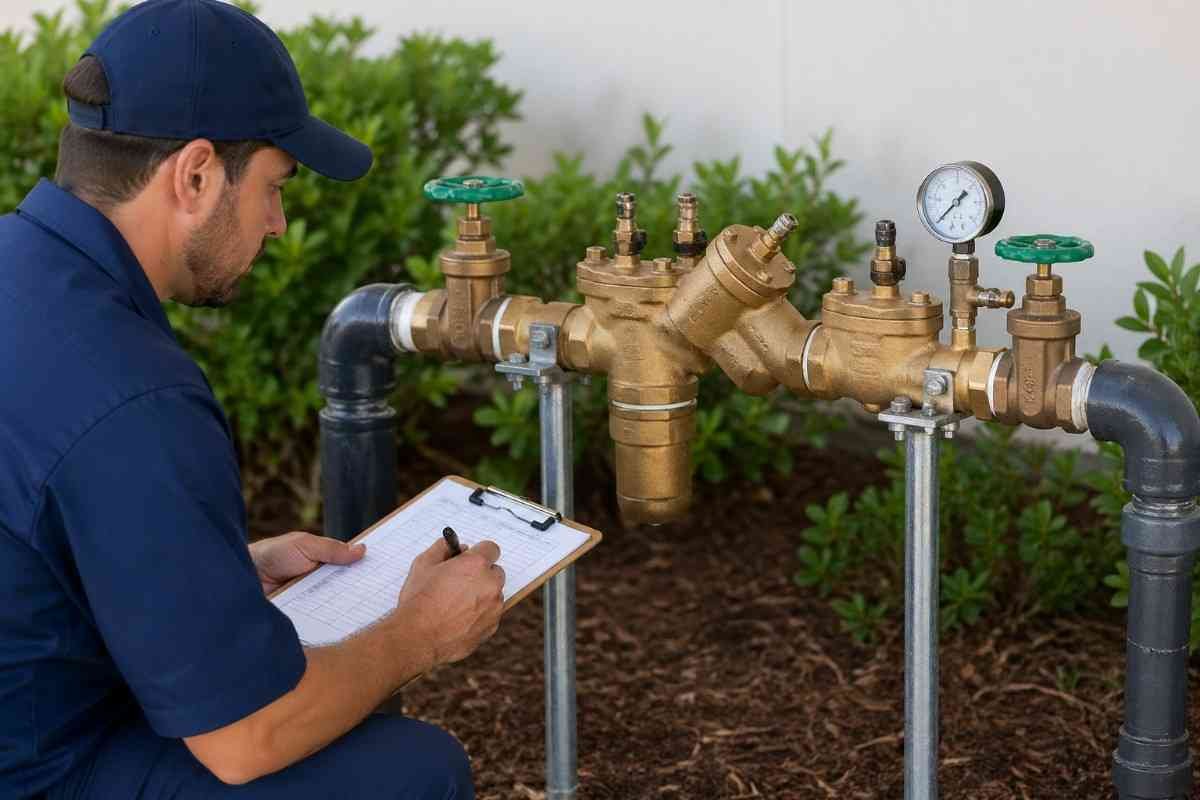
Backflow prevention devices are installed to help stop contaminated water from moving into the clean water supply. If a device becomes damaged, worn, clogged, or improperly maintained, it may not work correctly.
Irrigation Systems
Lawn irrigation systems can create potential cross-connections between the potable water supply and outdoor water sources. Fertilizers, pesticides, soil, and other substances may be present around irrigation systems, making proper backflow protection important.
Plumbing Cross-Connections
A cross-connection occurs when the potable water system is connected to another water source or plumbing component that could introduce contaminants. Improper connections can increase the risk of backflow.
Corrosion and Wear
Older plumbing components can deteriorate over time. Corrosion, mineral buildup, broken seals, and worn internal parts can affect the performance of backflow prevention equipment.
Signs That Your System May Need Restoration
Backflow problems are not always immediately obvious. However, several warning signs may indicate that professional inspection or restoration is needed.
Some common signs include:
- Unusual changes in water pressure
- Discolored or cloudy water
- Strange odors or unusual tastes
- Frequent problems with a backflow prevention device
- Leaking around valves or connections
- Failed backflow testing
- Damaged or corroded plumbing components
- Recurring water flow problems
If any of these issues occur, the plumbing system should be inspected by qualified professionals. Prompt attention can help identify the source of the problem before it affects other parts of the system.
What Do Backflow Restoration Services Include?
Professional backflow restoration services can involve several steps depending on the condition of the plumbing system. The process generally begins with an inspection to determine why backflow is occurring.
1. System Inspection
A professional inspection helps identify damaged components, cross-connections, pressure issues, leaks, and other potential causes. The condition of the backflow prevention device is also evaluated.
2. Testing the Backflow Device
Testing helps determine whether the prevention device is operating correctly. If the device does not meet required performance standards, repair or replacement may be recommended.
3. Repairing Damaged Components
Depending on the problem, damaged valves, seals, fittings, or other components may need to be repaired or replaced. Professional repairs can help restore proper water flow and system performance.
4. Restoring Proper Water Pressure
If pressure problems contributed to the backflow condition, the plumbing system may need adjustments or additional repairs. Addressing the underlying pressure issue can reduce the risk of repeated problems.
5. Retesting the System
After repairs are completed, the system should be tested again to confirm that the backflow prevention equipment is functioning properly. This final step helps ensure that the restoration work has addressed the identified issue.
Why Hire Backflow Repair Specialists?
Backflow systems can include specialized valves, testing equipment, and plumbing connections. Attempting to repair these components without the appropriate knowledge can leave the underlying problem unresolved.
Experienced backflow repair specialists can inspect the system, identify potential causes, and determine which repairs are appropriate. They can also help property owners understand maintenance requirements and ways to reduce future backflow risks.
Professional service is particularly important for commercial properties, irrigation systems, multi-unit buildings, and other plumbing systems where cross-connections may be more complex.
How to Prevent Future Backflow Problems
Restoration is only one part of maintaining a reliable plumbing system. Preventive maintenance can help reduce the likelihood of recurring backflow problems.
Schedule Regular Testing
Backflow prevention devices should be tested according to applicable requirements and manufacturer recommendations. Regular testing can identify problems before a device completely fails.
Maintain Irrigation Systems
Irrigation systems should be inspected regularly. Damaged connections, valves, and backflow prevention equipment should be repaired promptly.
Watch for Plumbing Changes
New plumbing fixtures, appliances, irrigation equipment, or other connections can change how a water system operates. Any major plumbing modification should be completed properly to avoid creating new cross-connections.
Address Leaks Quickly
Leaks around valves, pipes, and backflow devices should not be ignored. A small leak can indicate a damaged component that may require professional inspection.
Keep Backflow Devices Accessible
Backflow prevention equipment should remain accessible for inspection, testing, and maintenance. Obstructions can make it harder to identify problems or complete necessary service.
Backflow Restoration for Homes and Businesses
Backflow concerns can affect many different types of properties. Residential properties may experience problems involving irrigation systems, swimming pools, boilers, or other plumbing connections. Commercial and industrial properties may have more complex systems with multiple potential cross-connections.
Because every plumbing system is different, restoration should be based on the specific cause and condition of the system. A professional evaluation can help determine whether cleaning, repair, component replacement, pressure correction, or additional work is required.
When Should You Call a Professional?
If a backflow prevention device fails a test, shows visible damage, leaks, or repeatedly develops problems, professional service should be scheduled. You should also seek an inspection if you notice unusual water color, odor, taste, or pressure changes.
Early attention can help prevent a small plumbing issue from becoming a larger system problem. It can also help protect the quality of the property’s potable water supply.
Protect Your Water System With Professional Restoration
Backflow can develop because of pressure changes, damaged prevention devices, cross-connections, irrigation systems, or aging plumbing components. Understanding these causes makes it easier to recognize potential problems and take action.
Professional backflow restoration services can help locate the source of a problem, repair damaged components, restore proper water flow, and test the system after repairs. Working with qualified backflow repair specialists can also provide valuable guidance for ongoing maintenance and prevention.
If your backflow prevention system needs inspection, repair, or restoration, visit NC Backflow Tests to learn more about available backflow restoration services and professional assistance.
Recent news
-

Why Aging Backflow Preventers Can Put Your Water System at Risk
07 October 2026
Schedule Your Backflow Test Today!
Ensure your water stays safe and compliant. Book your backflow test with us today—quick, easy, and hassle-free.