
3
September
How Regular Testing Can Help You Avoid Costly Backflow Repairs
Clean and safe water is important for every home, business, and commercial property. A backflow prevention device helps stop contaminated water from moving backward into a clean water supply. However, like other plumbing equipment, these devices can wear down over time. Backflow restoration services NC can help restore a damaged or failing device, but regular testing may help identify small problems before they become expensive repairs.
North Carolina law allows local water systems to require backflow prevention and testing in certain situations. State law also recognizes testing by licensed plumbing contractors or certified backflow prevention assembly testers approved by the public water system.
If you own a home, manage a business, or maintain a commercial property, regular testing is a simple step that can help protect your water system and your budget.
What Is Backflow Testing?
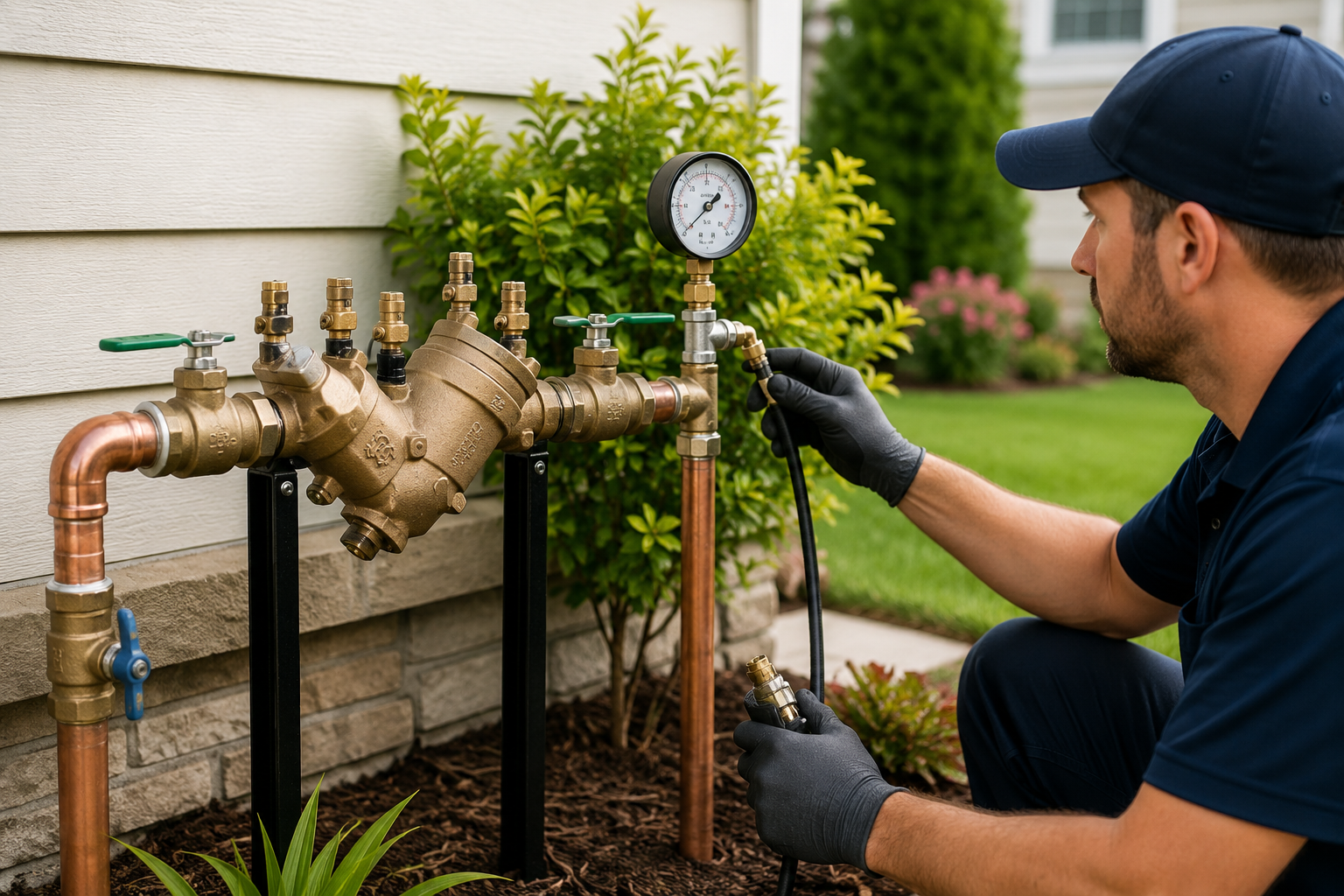
Backflow testing is an inspection and performance check of a backflow prevention assembly. The purpose is to make sure the device is working as intended and can help prevent unwanted water flow into the potable water system.
Backflow can happen when changes in water pressure cause water to move in the wrong direction. A drop in pressure, a water main break, firefighting activity, or a plumbing problem may create conditions where backflow can occur.
Testing gives professionals a chance to identify problems such as worn seals, damaged valves, corrosion, pressure issues, or other signs of poor performance.
Why Regular Testing Matters
A backflow preventer can look fine from the outside while having a problem inside. This is one reason routine testing is important.
A professional test can find an issue before the device stops working completely. When a small component is worn, it may be possible to repair or replace that component instead of replacing the entire assembly.
The cost difference can be significant depending on the device, property, and type of problem. More importantly, early attention can help reduce the chance of a sudden plumbing emergency.
The NC Backflow testing service explains that its specialists inspect devices, test their performance, report results, and recommend repair or replacement when needed.
Small Problems Can Become Bigger Problems
One of the biggest benefits of regular testing is early detection.
For example, a backflow device may develop a worn seal. At first, the problem may not be easy to notice. If the issue is ignored, other internal parts may become affected. Dirt, corrosion, pressure problems, and general wear can also reduce the performance of the assembly.
When a problem is found early, a technician may only need to replace a few parts or perform a minor repair.
If the device is allowed to fail completely, a larger restoration or replacement may be required.
This is where backflow restoration services NC can become especially useful. Restoration may involve cleaning the device, replacing worn components, rebuilding internal parts, and testing the assembly again to confirm proper operation.
What Can Cause Backflow Device Damage?
Backflow prevention assemblies are exposed to different conditions depending on where they are installed. Common causes of damage can include:
- Normal wear and tear
- Corrosion
- Dirt and debris
- Damaged seals and O rings
- Broken test ports
- Extreme weather
- Accidental impact
- Pressure changes
- Improper maintenance
Outdoor irrigation systems can be exposed to weather and other environmental conditions. Commercial systems may also experience heavier use than residential systems.
Regular testing helps identify these issues before they become major concerns.
Regular Testing Can Help Reduce Repair Costs
Many property owners think of testing as another maintenance expense. In reality, testing can be a useful way to manage future repair costs.
Consider two situations.
In the first situation, a property owner has a backflow assembly tested regularly. During a test, a technician finds a worn internal component. The part is replaced, and the device is tested again.
In the second situation, the device is not tested for a long period. Eventually, it fails and requires more extensive work.
The exact cost will depend on the device and its condition, but the first approach gives the property owner a better chance to deal with a smaller problem before it grows.
This does not mean regular testing can prevent every repair. Backflow devices can still fail because of age, damage, or unexpected problems. However, testing provides an opportunity to discover problems earlier.
Who Should Perform Backflow Testing?
Backflow testing should be handled by qualified professionals who understand backflow prevention assemblies and applicable requirements.
North Carolina law defines a certified backflow prevention assembly tester as someone who has completed an approved training program for testing and repair of backflow preventers. Local water systems may accept testing performed by a licensed plumbing contractor or an approved certified tester.
Working with experienced backflow testing specialists can make the process easier. A professional can inspect the assembly, perform the required testing, explain the results, and advise you if repair, restoration, or replacement is needed.
How Often Should a Backflow Device Be Tested?
Testing requirements can depend on the type of system, level of hazard, local water authority, and other factors.
For example, North Carolina law states that a local government owned public water system may not require periodic testing more frequently than once every three years for certain residential irrigation backflow preventers that do not apply or dispose of chemical feeds. Other systems may have different requirements.
The North Carolina code materials also address testing of certain backflow prevention assemblies after installation, repair, or relocation and describe annual testing requirements in applicable code provisions.
Because requirements can vary, property owners should check with their local water provider or authority having jurisdiction about the testing schedule that applies to their property.
Signs Your Backflow Device May Need Attention
Regular testing is important, but property owners should also watch for visible warning signs.
You may need professional inspection or backflow restoration services NC if you notice:
- Water leaking around the assembly
- Rust or visible corrosion
- Unusual noises
- A sudden change in water pressure
- Damaged fittings
- A failed backflow test
- Problems with an irrigation system
- Discolored or unusual smelling water
A failed test does not always mean the entire device must be replaced. Depending on the condition of the assembly, a technician may be able to repair or rebuild it.
NC Backflow notes that restoration can include replacing components such as check valves, relief valves, springs, seats, seals, O rings, and other rubber components.
Testing After Backflow Restoration
Testing should not stop after a repair.
Once restoration or repair work has been completed, the device should be tested again to confirm that it is operating correctly. The applicable North Carolina code materials specify testing after repairs for certain backflow assemblies.
This final test helps confirm that the repaired device is performing properly.
Professional testing may also provide documentation that can be useful for local compliance requirements. NC Backflow states that its service includes testing and certification after restoration.
Residential and Commercial Backflow Testing
Both homeowners and businesses can benefit from regular backflow maintenance.
Residential properties may have backflow prevention devices connected to irrigation or sprinkler systems. Commercial properties can have more complex plumbing systems and may have several backflow assemblies.
Restaurants, schools, offices, medical facilities, warehouses, and industrial properties may require careful backflow management because of the different water connections and potential hazards involved.
For businesses, finding a problem early may also help reduce downtime and unexpected service interruptions.
Choose Preventive Maintenance Over Emergency Repairs
Nobody wants an unexpected plumbing problem. A backflow device that suddenly fails can create an urgent situation, especially when the property depends on the system for daily operations.
Routine testing provides a more proactive approach. Instead of waiting for a failure, property owners can monitor the condition of their backflow equipment and address problems as they appear.
Regular testing, proper maintenance, and timely repairs can work together to extend the useful life of a backflow prevention assembly.
Work With Experienced Backflow Testing Specialists
Backflow prevention is about more than checking a plumbing device. It is about protecting the clean water supply and keeping the water system working properly.
Experienced backflow testing specialists can help identify performance problems, explain test results, and determine whether repair, restoration, or replacement is the most suitable option.
If your device fails a test, professional backflow restoration services NC can provide a practical way to restore the assembly when restoration is appropriate. NC Backflow offers full restoration, partial component replacement, assembly rebuilding, and testing after restoration.
Protect Your Backflow System Before Problems Grow
Regular backflow testing is a simple maintenance step that can provide major benefits. Small problems can sometimes be identified before they lead to larger failures, helping property owners make informed repair decisions and avoid unnecessary replacement costs.
Whether you manage a home, commercial building, or industrial property, keeping your backflow prevention equipment properly tested is an important part of water system maintenance.
If your backflow device needs inspection, testing, repair, or restoration, NC Backflow provides professional solutions for residential and commercial properties throughout North Carolina.
Recent news
-

Why Aging Backflow Preventers Can Put Your Water System at Risk
07 October 2026
Schedule Your Backflow Test Today!
Ensure your water stays safe and compliant. Book your backflow test with us today—quick, easy, and hassle-free.