

4
October
Backflow Restoration vs. Replacement: What Does Your System Need?
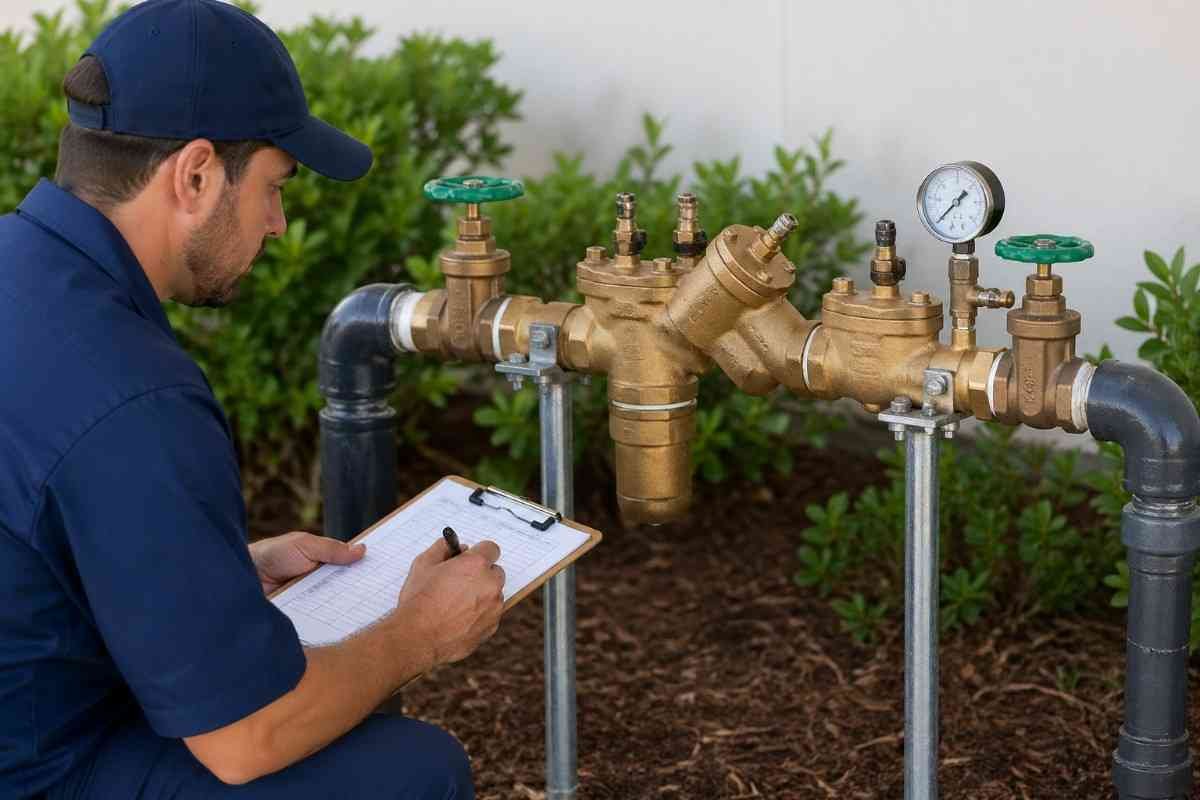
A backflow prevention device plays an important role in protecting a property’s water supply. When the device becomes damaged, worn, or stops working correctly, professional attention may be needed. However, not every problem means the entire device must be replaced. In some situations, backflow restoration services may be enough to return the system to proper working condition.
Understanding the difference between restoration and replacement can help property owners make informed decisions. The right solution depends on the condition of the backflow preventer, the type of problem, its age, and whether the device can still provide reliable protection.
What Is a Backflow Prevention Device?
A backflow prevention device is designed to help stop contaminated or unwanted water from moving backward into a clean water supply. Backflow can occur when changes in water pressure cause water to flow in the wrong direction.
These devices are commonly used in residential, commercial, and industrial plumbing systems. They may be installed on irrigation systems, fire protection systems, commercial plumbing lines, and other applications where backflow protection is required.
Because a backflow preventer is part of a water protection system, problems should not be ignored. A malfunctioning device may require inspection, repair, restoration, or replacement.
What Does Backflow Restoration Mean?
Backflow restoration involves repairing or servicing a backflow prevention device so it can operate correctly again. The exact work depends on the problem found during inspection.
A professional may inspect internal components, clean the device, replace worn parts, repair damaged components, and check whether the device is operating properly. Testing can then be performed to determine whether the restored device meets the required performance standards.
Backflow restoration services can be useful when the main structure of the device remains in good condition but certain components have become worn or damaged.
For example, a device may have a damaged internal seal, buildup, or a worn component that prevents proper operation. If the problem can be corrected safely, restoration may be considered instead of complete replacement.
When Is Restoration a Suitable Option?
Restoration may be considered when a backflow preventer is structurally sound and repairable. Some common situations include:
- Worn internal components
- Damaged seals or springs
- Dirt or mineral buildup
- Minor component failure
- Performance problems discovered during testing
- Maintenance issues that affect proper operation
A professional inspection should be completed before deciding on restoration. The visible condition of a device does not always show what is happening inside.
If the device can be restored and tested successfully, repair work may help extend its useful service life.
When Is Backflow Replacement Necessary?
Replacement may be needed when a backflow prevention device is severely damaged, outdated, or no longer practical to repair. A device that has significant corrosion, structural damage, repeated failures, or unavailable replacement parts may not be a good candidate for restoration.
Replacement can also become necessary when the existing device is no longer suitable for the application or does not provide the required level of protection.
In these situations, working with experienced backflow replacement specialists can help ensure that the correct replacement device is selected and installed properly.
A replacement should be based on the specific plumbing application rather than simply choosing a device that looks similar to the existing one.
Restoration vs. Replacement: Key Differences
The main difference between restoration and replacement is the condition of the existing device.
Restoration focuses on repairing and servicing the current backflow preventer. It may involve cleaning, replacing internal parts, and correcting performance issues.
Replacement involves removing the existing device and installing a new one.
Several factors can help determine which option is appropriate:
Condition of the Device
If the device is generally in good condition with limited component problems, restoration may be possible. Extensive physical damage may make replacement more appropriate.
Age
Older devices may require more frequent repairs. If parts are difficult to obtain or the device has reached the end of its useful service life, replacement may provide a more practical solution.
Repair History
A backflow preventer that repeatedly fails testing or requires frequent repairs may need to be evaluated for replacement.
Availability of Parts
Restoration often depends on the availability of suitable replacement components. If necessary parts are unavailable, replacing the complete device may be necessary.
System Requirements
The device must be appropriate for the plumbing system and its intended application. Changes to a property’s plumbing system may also affect the type of backflow protection required.
Why Professional Inspection Matters
It can be difficult for a property owner to determine whether a backflow preventer needs restoration or replacement simply by looking at it.
Professional inspection allows the device and its components to be evaluated more carefully. Testing can help identify performance problems that may not be visible from the outside.
A professional can also consider the device’s condition, installation, repair history, and application before recommending the next step.
This approach helps prevent unnecessary replacement while also avoiding repairs that may not provide a reliable long-term solution.
Signs Your Backflow Device May Need Attention
Property owners should pay attention to signs that may indicate a backflow prevention problem. These can include:
- Failed backflow testing
- Visible corrosion
- Water leakage around the device
- Unusual noises
- Damaged components
- Repeated testing failures
- Reduced system performance
- An aging or outdated device
A failed test does not automatically mean the device needs to be replaced. Depending on the cause, restoration may correct the problem. However, a qualified professional should determine whether the device can be safely restored.
Choosing Backflow Restoration or Replacement Services
When choosing between restoration and replacement, focus on the condition and needs of the complete system rather than the initial cost alone.
Ask the service provider to explain what caused the problem, which components are affected, whether restoration is possible, and whether the restored device can be tested after the work.
If replacement is recommended, ask about the type of device being installed and why it is suitable for the application. Experienced backflow replacement specialists can help identify an appropriate replacement and complete the installation correctly.
Proper installation is important because even a quality backflow preventer may not provide the expected protection if it is installed incorrectly.
How Regular Testing Can Help
Regular testing can help identify problems before they become larger plumbing concerns. Testing provides information about how the backflow prevention device is performing and whether it continues to provide the required protection.
If a problem is found, early attention may allow restoration instead of waiting until the device develops more serious damage.
Property owners should follow applicable testing and maintenance requirements for their location and type of system. A qualified professional can explain the testing schedule and service requirements that apply to the property.
Final Thoughts
Backflow restoration and replacement are two different solutions for maintaining a reliable backflow prevention system. Restoration may be suitable when the device is structurally sound and its components can be repaired or replaced. Replacement may be more appropriate when the device is severely damaged, outdated, repeatedly failing, or no longer suitable for the application.
The best approach is to have the device professionally inspected and tested before making a decision. With proper backflow restoration services, some devices can be repaired and returned to service. When replacement is necessary, experienced backflow replacement specialists can help select and install a suitable new device.
Taking action when a backflow preventer shows signs of trouble can help maintain a properly protected water system and reduce the risk of ongoing plumbing problems.
Recent news
-
What Makes a Good Backflow Enclosure? Key Features to Consider
26 September 2026
Schedule Your Backflow Test Today!
Ensure your water stays safe and compliant. Book your backflow test with us today—quick, easy, and hassle-free.