
14
August
Common Backflow Problems in Homes and How Testing Can Help
Clean and safe water is something every homeowner depends on. We use water for drinking, cooking, bathing, cleaning, and many other daily needs. However, problems in a home plumbing system can sometimes cause water to move in the wrong direction. This is known as backflow. Residential backflow testing services can help identify problems with backflow prevention devices before they become a bigger concern.
Backflow can happen because of pressure changes, plumbing problems, irrigation systems, or damaged equipment. A professional test checks whether the backflow prevention device is working as it should. Regular testing can also help homeowners find worn parts, leaks, and other issues early.
What Is Backflow?
Backflow happens when water flows backward through a plumbing system instead of moving in its normal direction. Under normal conditions, clean water travels from the public water supply into your home. When pressure changes occur, water from another part of the system may move back toward the clean water supply.
There are two common types of backflow. Back siphonage can happen when the water supply pressure suddenly drops. Back pressure can happen when pressure inside a connected plumbing system becomes higher than the pressure in the main water supply.
Both situations can create a cross connection where unwanted substances could enter the clean water system.
Why Can Backflow Be a Problem at Home?
Many homeowners do not think about backflow until they receive a testing notice or notice a problem with their backflow preventer. Homes with irrigation systems, sprinkler systems, pools, boilers, or other connections may have backflow prevention equipment.
If the device is not working correctly, contaminated water could potentially move into drinking water lines. This makes a properly working backflow prevention system an important part of household water safety.
The good news is that many backflow problems can be found through professional testing before they cause serious trouble.
Common Backflow Problems in Residential Properties
1. Worn Check Valves
Check valves are important parts of many backflow prevention assemblies. They are designed to allow water to move in the correct direction while helping prevent reverse flow.
Over time, internal components can wear out. Springs, seals, seats, and other parts may lose their ability to work properly. A device may look normal from the outside while having an internal problem.
Professional testing can help identify whether the check valves are operating within the required pressure limits.
2. Debris Inside the Device
Small pieces of dirt, sediment, rust, or other debris can enter a plumbing system. This material can become trapped inside a backflow prevention device.
When debris prevents a valve from closing correctly, the device may fail its test. Recent plumbing work can sometimes introduce debris into water lines as well.
Cleaning or replacing damaged internal components may be needed depending on the condition of the device.
3. Leaking or Dripping Relief Valves
A leaking relief valve should not simply be ignored. Continuous dripping may indicate that the device is not operating correctly.
A relief valve is designed to respond to pressure conditions inside certain backflow prevention assemblies. If it continues to discharge water, a professional should inspect and test the assembly to find the cause.
In some cases, cleaning may solve the issue. In other cases, worn internal parts may need to be replaced.
4. Corrosion and Weather Damage
Backflow preventers are often installed outside homes, especially when they are connected to irrigation systems. This means they can be exposed to rain, heat, cold temperatures, lawn equipment, and other outdoor conditions.
Over time, corrosion can affect the body, fittings, valves, or other components. Physical damage can also occur if the assembly is accidentally hit by landscaping equipment.
Regular inspection and testing can help homeowners catch these problems earlier.
5. Low Water Pressure
A sudden change in water pressure throughout the home can have many possible causes. One possible issue can involve a backflow prevention assembly that has become restricted or damaged.
Debris or internal component problems may reduce water flow through the device. Testing helps determine whether the backflow assembly is contributing to the problem.
However, low water pressure can also be caused by other plumbing issues, so a complete inspection may be needed.
6. Failed Backflow Testing
One of the clearest signs that a backflow prevention device needs attention is a failed test.
A failed test does not always mean the entire device needs to be replaced. Depending on the problem, a technician may be able to clean the assembly or replace specific internal components.
NC Backflow explains that common repairs can include debris removal and replacement of internal components. If the device is badly damaged or outdated, replacement may be recommended.
How Residential Backflow Testing Services Help
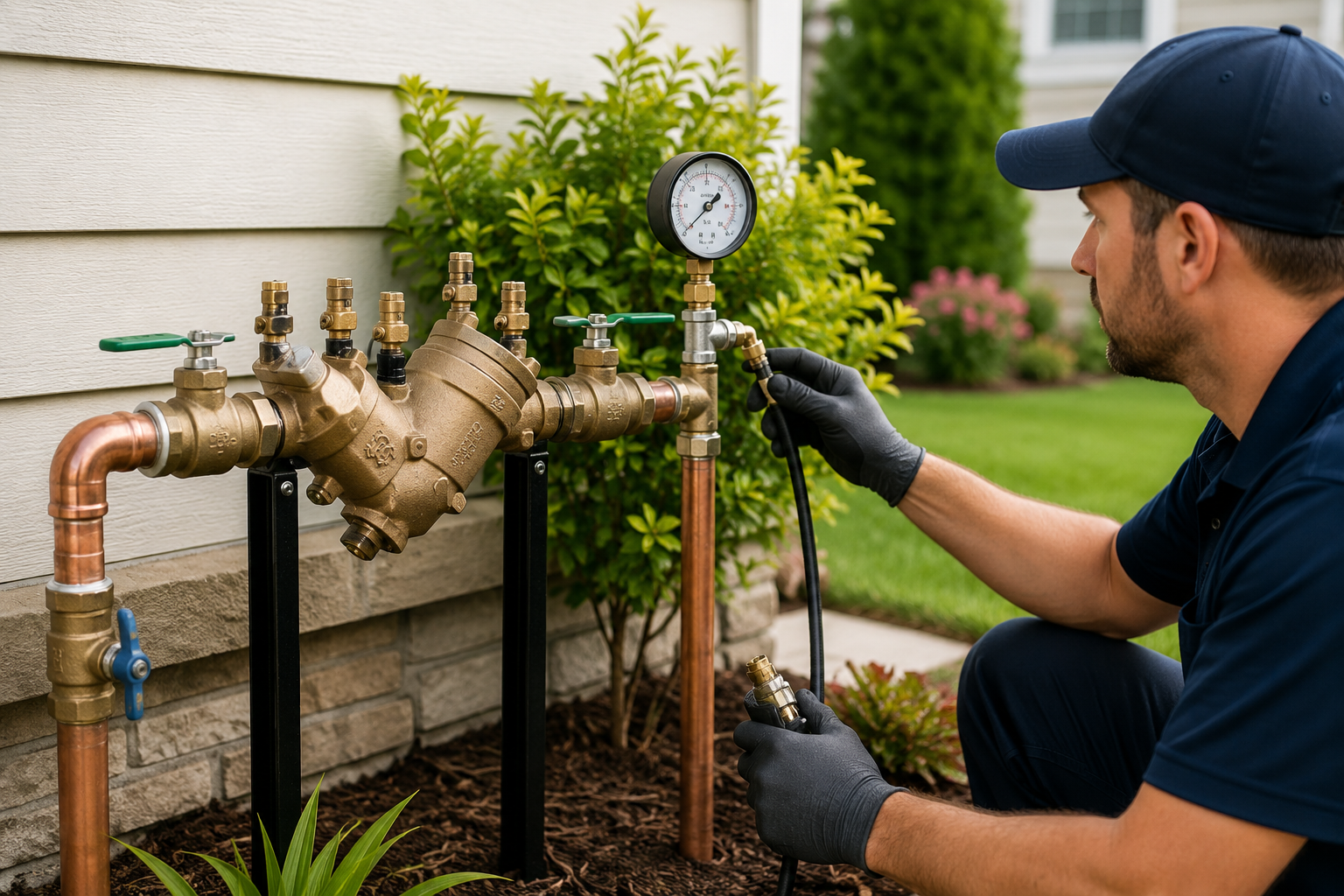
A professional backflow test does more than simply look at the outside of a device. A trained tester uses proper testing equipment to check how the internal components respond to pressure.
The process generally includes inspecting the assembly, connecting testing equipment, measuring pressure conditions, checking valves, and recording the results. A professional test can reveal problems that may not be visible during a normal visual inspection.
This is why homeowners should not depend only on checking for leaks or unusual sounds. A backflow prevention device can have an internal problem even when it looks fine from the outside.
Testing schedules can vary based on the type of system and local water provider requirements. NC Backflow notes that domestic and fire flow systems may be tested annually, while irrigation testing schedules can vary. Homeowners should check their local requirements.
What Happens If a Backflow Device Fails?
If a backflow prevention device fails testing, there is no reason to panic. The next step is to determine why it failed.
A qualified technician can inspect the device and explain the repair options. In many situations, only certain internal parts need to be replaced. These may include seals, springs, check valves, relief valve components, or other small parts.
For more serious damage, a complete replacement may make more sense.
After a repair, the device should be tested again when required to confirm that it is working properly.
This is where professional backflow repair services can be helpful. Timely repair can restore the function of the backflow prevention device and help protect the home’s water system.
Why Regular Testing Is Better Than Waiting
Waiting until a backflow problem becomes obvious can lead to more expensive repairs and greater water safety concerns. Regular testing provides an opportunity to find small problems before they become major ones.
A professional test can help identify:
- Worn internal components
- Valve problems
- Pressure issues
- Debris inside the assembly
- Relief valve problems
- Corrosion
- Physical damage
- Devices that no longer meet testing requirements
Routine maintenance also gives homeowners a better idea of the condition of their backflow prevention equipment.
When Should You Call a Professional?
You should consider contacting a qualified backflow professional if you notice continuous dripping from the device, visible corrosion, physical damage, unusual water pressure changes, or a failed testing notice.
You should also schedule testing when it is required by your local water provider or applicable regulations.
Trying to take apart a backflow prevention assembly without the proper knowledge and equipment can create additional problems. Certified testing uses specific procedures and calibrated equipment, making professional service the safer choice.
Protect Your Home’s Water Supply With Professional Testing
Backflow problems are not always easy to see. A device can appear to be in good condition while internal parts are worn or damaged. This is why regular residential backflow testing services are important for homes with backflow prevention assemblies.
Testing helps identify problems, while timely backflow repair services can restore a failed device when repair is possible. Together, testing and maintenance can help keep your home’s water system working properly.
If you need professional backflow testing in North Carolina, NC Backflow provides testing, inspection, repair, replacement, and backflow prevention services for residential and commercial properties. Their testing process includes inspection, testing, reporting, and recommendations for repair or replacement when needed.
For reliable water protection, do not wait for a small backflow problem to become a major concern. Schedule the appropriate testing and keep your backflow prevention system in good working condition.
Recent news
-

Why Aging Backflow Preventers Can Put Your Water System at Risk
07 October 2026
Schedule Your Backflow Test Today!
Ensure your water stays safe and compliant. Book your backflow test with us today—quick, easy, and hassle-free.