

18
August
5 Warning Signs Your Commercial Backflow System Needs Repair
A commercial water system needs to work safely every day. One important part of that system is the backflow prevention device. It helps stop dirty or contaminated water from flowing backward into the clean water supply. When this device starts to fail, it can create water safety risks and may also cause problems with local compliance requirements.
Knowing the warning signs can help business owners act before a small issue becomes a major problem. Professional Commercial Backflow Repair Services can identify faulty parts, fix the system, and help keep the water supply protected.
Here are five common signs that your commercial backflow system may need professional attention.
1. Your Backflow Device Is Leaking
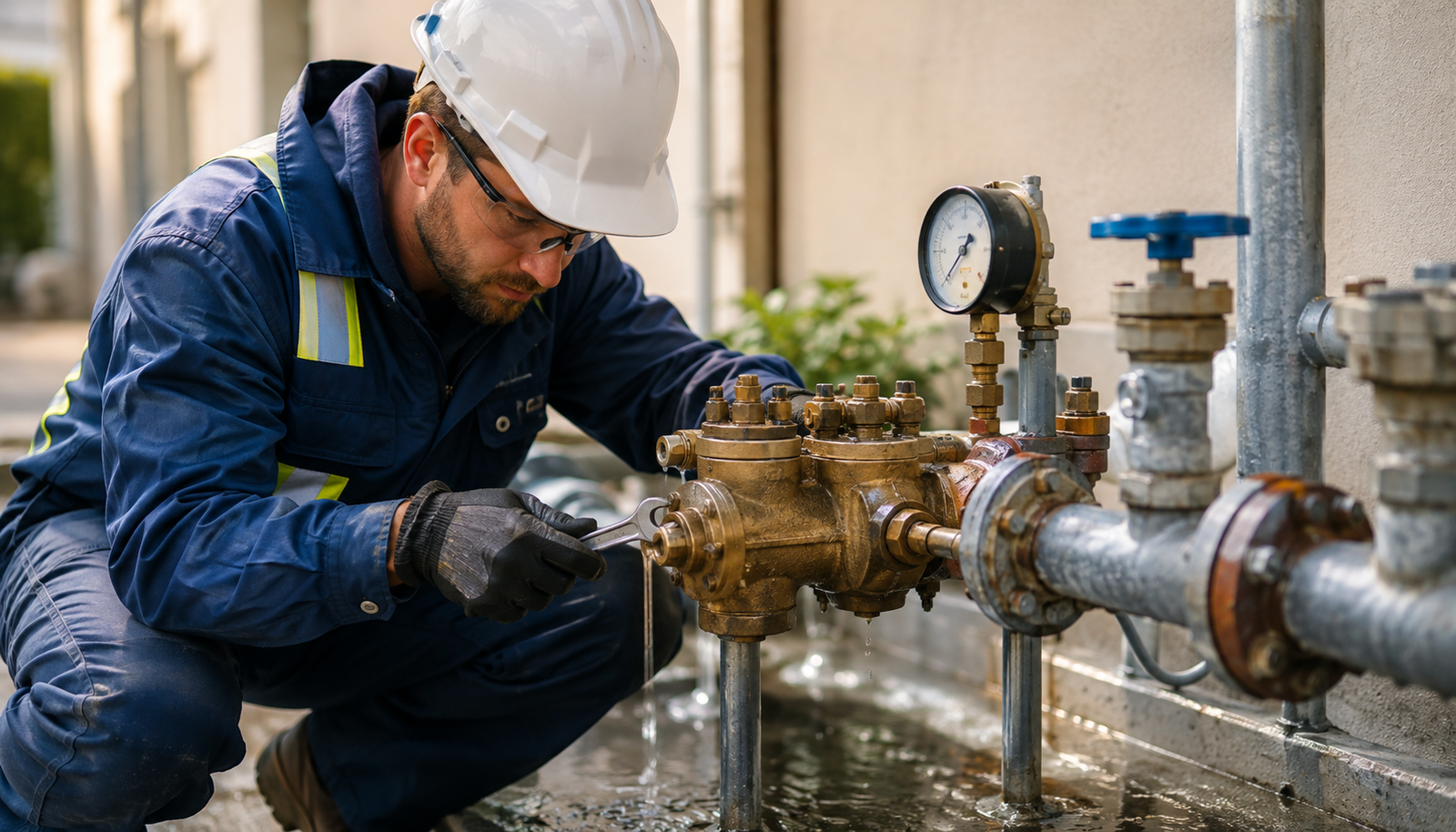
A visible leak around a backflow prevention device should never be ignored. Water may drip from valves, fittings, joints, or other parts of the assembly. While a small leak may not seem serious, it can point to a damaged seal, worn component, high water pressure, or another internal problem.
Leaks can also become worse over time. A small amount of water loss may eventually turn into a larger plumbing issue. If the device is located indoors, continuous leaking can even damage floors, walls, equipment, or other nearby areas.
When a leak is noticed, the system should be inspected by a qualified professional. The damaged component may be repaired or replaced depending on its condition.
Regular Backflow Testing Services can also help identify problems that may not be easy to see during a normal visual inspection.
2. The Backflow Test Does Not Pass
A failed backflow test is one of the clearest signs that your prevention device needs attention. Backflow prevention assemblies are designed to maintain the correct pressure and prevent unwanted water movement. If the device does not perform as expected during testing, one or more internal components may be worn, blocked, damaged, or out of adjustment.
A failed test does not always mean that the entire device needs to be replaced. In many cases, a specific component can be repaired or replaced.
This is why professional testing is important. A trained technician can inspect the assembly, find the reason for the failure, complete the necessary repair, and test the system again.
Businesses should not wait for a failed inspection to think about backflow maintenance. Routine testing can help detect developing issues before they affect the water system or business operations.
3. Unusual Water Pressure or Flow Is Noticed
Changes in water pressure can sometimes indicate a problem with a backflow prevention assembly. A commercial property may experience weak water flow, unusual pressure changes, or other unexpected plumbing behavior.
There can be many causes of water pressure problems, so the backflow device may not always be the source. However, it should be inspected when unusual flow conditions appear, especially if the problem occurs near the prevention assembly.
Internal parts can become worn or dirty over time. Debris may also affect how valves operate. When a valve cannot open or close correctly, the system may not work as intended.
Professional Commercial Backflow Repair Services can help determine whether the backflow device is contributing to the problem. If necessary, faulty parts can be repaired or replaced with suitable components.
4. The Device Is Old or Shows Visible Wear
Backflow prevention devices work in demanding plumbing environments. Over time, valves, seals, springs, fittings, and other components can wear down.
Visible corrosion, damaged fittings, cracked parts, rust, or general deterioration should be treated as warning signs. Even when the device appears to be working, aging components may affect its performance.
Commercial properties often have more complex plumbing systems than residential properties. Restaurants, offices, schools, industrial facilities, and other businesses may depend on backflow prevention equipment to protect their water supply.
Routine inspection and testing can help determine whether an older device can continue to be repaired or whether replacement would be a better option.
A professional technician can evaluate the condition of the assembly and explain the available options. This can help a business avoid unexpected failures and unnecessary costs.
5. Your Business Has Received a Compliance Notice
Water safety rules can require commercial properties to maintain and test their backflow prevention systems. If a business receives a notice about a failed test, missing documentation, overdue testing, or another backflow issue, it should be addressed quickly.
Ignoring a compliance notice may lead to additional problems. More importantly, a backflow issue can create a risk of contaminants entering the clean water supply.
Professional Backflow Testing Services can help verify whether the prevention device is operating properly. If the test identifies a problem, repair work may be needed before the system can pass again.
After repairs, the device should be tested to verify that it is operating correctly. Proper documentation may also need to be provided to the appropriate local authority.
Why Commercial Backflow Repair Should Not Be Delayed
Backflow problems can affect more than a single plumbing component. A malfunctioning prevention device can put the water supply at risk and may create problems for a business that depends on clean and reliable water.
For commercial properties, quick action can also help reduce operational interruptions. Restaurants, schools, offices, and industrial facilities may have strict water safety needs. A problem that is ignored today could become more expensive or disruptive later.
Professional repair normally starts with an inspection and diagnosis. The technician identifies the cause of the failure and recommends the right solution. Depending on the condition of the device, individual components may be repaired or replaced. In some cases, complete replacement may be necessary.
After the repair, the system should be tested again to confirm that it is working correctly.
Repair, Testing, and Preventive Maintenance Work Together
Backflow repair and testing should not be viewed as separate tasks. They work together to keep a commercial water system safe and reliable.
Testing helps identify whether the backflow prevention device is performing correctly. Repair addresses problems found during inspection or testing. Preventive maintenance can then help reduce the chance of repeated issues.
A good maintenance approach may include regular inspections, scheduled testing, timely repairs, and replacement of worn components when needed.
Keeping records of testing and repair work can also make it easier for businesses to manage their water safety responsibilities.
Choose Professional Commercial Backflow Repair Services
A backflow prevention device plays an important role in protecting the quality of a commercial water supply. Leaks, failed tests, unusual water pressure, visible damage, and compliance notices should all be treated as possible warning signs.
If you notice any of these problems, professional Commercial Backflow Repair Services can help identify the cause and determine whether repair or replacement is needed.
Regular Backflow Testing Services can also provide an important check on the condition and performance of the system. After repairs are completed, proper testing and verification can help confirm that the device is working as expected.
For commercial properties, taking care of backflow problems early is a smart way to protect the water supply, support compliance, and reduce the risk of unexpected plumbing problems. If your backflow prevention system is showing signs of trouble, schedule a professional inspection and get the issue addressed before it becomes a bigger concern.
Recent news
-

Why Aging Backflow Preventers Can Put Your Water System at Risk
07 October 2026
Schedule Your Backflow Test Today!
Ensure your water stays safe and compliant. Book your backflow test with us today—quick, easy, and hassle-free.