

22
June
How Long Does It Take to Fix a Backflow? A Homeowner’s Guide to Backflow Restoration Services
A properly functioning backflow prevention system is essential for protecting your drinking water from contamination. When a backflow device fails, many homeowners and property managers immediately ask one important question: How long does it take to fix a backflow?
The answer depends on several factors, including the type of backflow issue, the condition of the device, and whether replacement parts are needed. Understanding the repair process can help you prepare for service and ensure your water system remains safe and compliant with local regulations.
At NC Backflow Tests, professional Backflow Restoration Services are designed to quickly identify and resolve backflow issues while protecting your property’s water supply.
Understanding Backflow and Why Repairs Matter
Backflow occurs when water flows in the opposite direction through a plumbing system. Instead of clean water moving into your home or business, contaminated water can flow backward into the potable water supply.
Backflow can introduce harmful contaminants such as:
- Chemicals
- Fertilizers
- Pesticides
- Bacteria
- Wastewater
This is why municipalities require backflow prevention devices and periodic testing. When these devices fail, prompt Backflow Restoration Services become essential to prevent contamination and maintain compliance.
What Causes a Backflow Device to Fail?
Backflow prevention assemblies are mechanical devices that experience wear and tear over time. Several issues can cause a failure, including:
Worn Internal Components
Rubber seals, springs, and valves can deteriorate after years of use, affecting the device’s ability to prevent reverse water flow.
Debris and Mineral Buildup
Sediment, rust, and mineral deposits can interfere with moving parts and reduce performance.
Freezing Temperatures
Cold weather can crack internal components and damage the assembly.
High Water Pressure
Sudden pressure changes may stress the device and cause internal failures.
Lack of Maintenance
Regular inspections help identify minor issues before they become major repairs requiring extensive Backflow Restoration Services.
How Long Does It Typically Take to Fix a Backflow?
The repair time depends on the severity of the issue. In most cases, professional technicians can complete standard repairs within a few hours.
Minor Repairs: 30 Minutes to 2 Hours
Simple issues such as replacing seals, cleaning debris, or adjusting internal components can often be completed quickly.
Examples include:
- Replacing rubber gaskets
- Cleaning check valves
- Tightening fittings
- Minor leak repairs
For these situations, Backflow Restoration Services can usually restore the device on the same day.
Moderate Repairs: 2 to 4 Hours
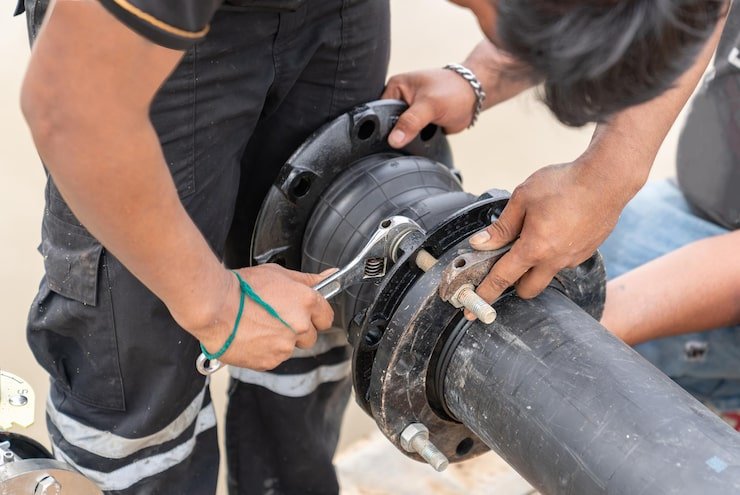
If multiple components have failed, technicians may need additional time to disassemble, repair, and retest the assembly.
Examples include:
- Replacing springs
- Repairing damaged valves
- Fixing pressure-related issues
- Rebuilding portions of the device
Professional Backflow Restoration Services ensure that all repairs are completed correctly and tested before the system is returned to service.
Major Repairs or Replacements: 4 Hours to 1 Day
In some cases, the backflow preventer may be severely damaged or outdated. If replacement parts are unavailable, a complete replacement may be necessary.
This process can include:
- Removing the old assembly
- Installing a new device
- Conducting compliance testing
- Completing required documentation
Most replacement projects are completed within a single day by experienced Backflow Restoration Services professionals.
Factors That Affect Repair Time
Several variables influence how long a repair will take.
Type of Backflow Device
Different assemblies have different levels of complexity. Double-check valve assemblies are typically easier to repair than reduced pressure zone (RPZ) devices.
Availability of Parts
If replacement parts are readily available, repairs can often be completed immediately. Specialty components may require ordering and shipping.
Device Accessibility
A backflow preventer located in an easily accessible area is quicker to service than one installed in a difficult-to-reach location.
Extent of Damage
Minor wear and tear require less time than extensive internal damage or freezing-related failures.
Required Testing
After repairs are completed, certified technicians must test the device to verify proper operation. This testing is a critical part of professional Backflow Restoration Services.
Why Professional Backflow Restoration Services Are Important
Attempting to repair a backflow prevention device without proper training can create additional problems and may violate local regulations.
Professional Backflow Restoration Services offer several advantages:
Accurate Diagnosis
Certified technicians quickly identify the root cause of the failure.
Proper Repairs
Experienced professionals use approved methods and manufacturer-recommended parts.
Compliance Assurance
Local authorities often require certified testing after repairs. Professionals ensure your system meets all requirements.
Long-Term Protection
Quality repairs help extend the lifespan of your backflow prevention device and reduce future issues.
How to Prevent Future Backflow Problems
While repairs are sometimes unavoidable, regular maintenance can significantly reduce the risk of unexpected failures.
Schedule Annual Testing
Routine testing helps identify small issues before they become costly repairs.
Protect Against Freezing
Insulate exposed backflow devices during colder months.
Address Leaks Quickly
Small leaks can indicate larger problems developing within the assembly.
Work With Certified Professionals
Regular inspections from qualified Backflow Restoration Services providers help keep your system operating efficiently.
Why Choose NC Backflow Tests?
When you need reliable Backflow Restoration Services, experience and expertise matter. NC Backflow Tests provides professional testing, inspection, repair, and restoration services designed to protect residential and commercial water systems.
Their trained technicians understand local regulations, use industry-approved repair methods, and prioritize customer safety throughout every project.
Whether your device requires a simple repair or a complete replacement, NC Backflow Tests can help restore your system quickly and efficiently.
Conclusion
So, how long does it take to fix a backflow? The answer depends on the nature of the problem. Minor repairs may take less than two hours, while more extensive repairs or replacements can take several hours or a full day. Regardless of the repair size, prompt action is essential to protect your water supply and avoid potential contamination risks.
Professional Backflow Restoration Services ensure that your backflow prevention device is repaired correctly, tested thoroughly, and returned to safe operating condition. By investing in routine maintenance and working with experienced professionals such as NC Backflow Tests, property owners can enjoy reliable water protection and long-term peace of mind.
Frequently Asked Questions
How do I know if my backflow preventer needs repair?
Common signs include leaking water, unusual noises, reduced water pressure, failed inspections, and visible damage to the assembly.
Can a backflow preventer be repaired instead of replaced?
Yes. Many issues can be resolved through professional Backflow Restoration Services without replacing the entire device. A technician can determine the most cost-effective solution.
Is backflow repair covered by homeowners insurance?
Coverage varies depending on your insurance policy and the cause of the damage. Contact your insurance provider for specific details.
How often should a backflow prevention device be tested?
Most municipalities require annual testing, although local regulations may vary.
What happens if I ignore a failed backflow device?
A failed device can allow contaminated water to enter your drinking water system, potentially creating health risks and regulatory violations.
How much do Backflow Restoration Services typically cost?
Costs depend on the type of device, extent of damage, replacement parts required, and labor involved. A professional inspection can provide an accurate estimate.
Recent news
-

Why Aging Backflow Preventers Can Put Your Water System at Risk
07 October 2026
Schedule Your Backflow Test Today!
Ensure your water stays safe and compliant. Book your backflow test with us today—quick, easy, and hassle-free.