

18
June
How Much Should a Backflow Replacement Cost? A Homeowner’s Complete Guide
Backflow prevention devices play a critical role in protecting your drinking water from contamination. These devices prevent polluted water from flowing backward into your clean water supply, ensuring the safety of your family and property. However, like any plumbing component, backflow preventers eventually wear out and require replacement.
One of the most common questions homeowners and property managers ask is: How much should a backflow replacement cost? The answer depends on several factors, including the type of device, labor requirements, property size, and local regulations.
At NC Backflow Tests, we help homeowners and businesses maintain safe, compliant water systems through professional testing, repairs, and replacements. Understanding the costs involved can help you plan ahead and make informed decisions when your backflow preventer reaches the end of its lifespan.
What Is a Backflow Preventer?
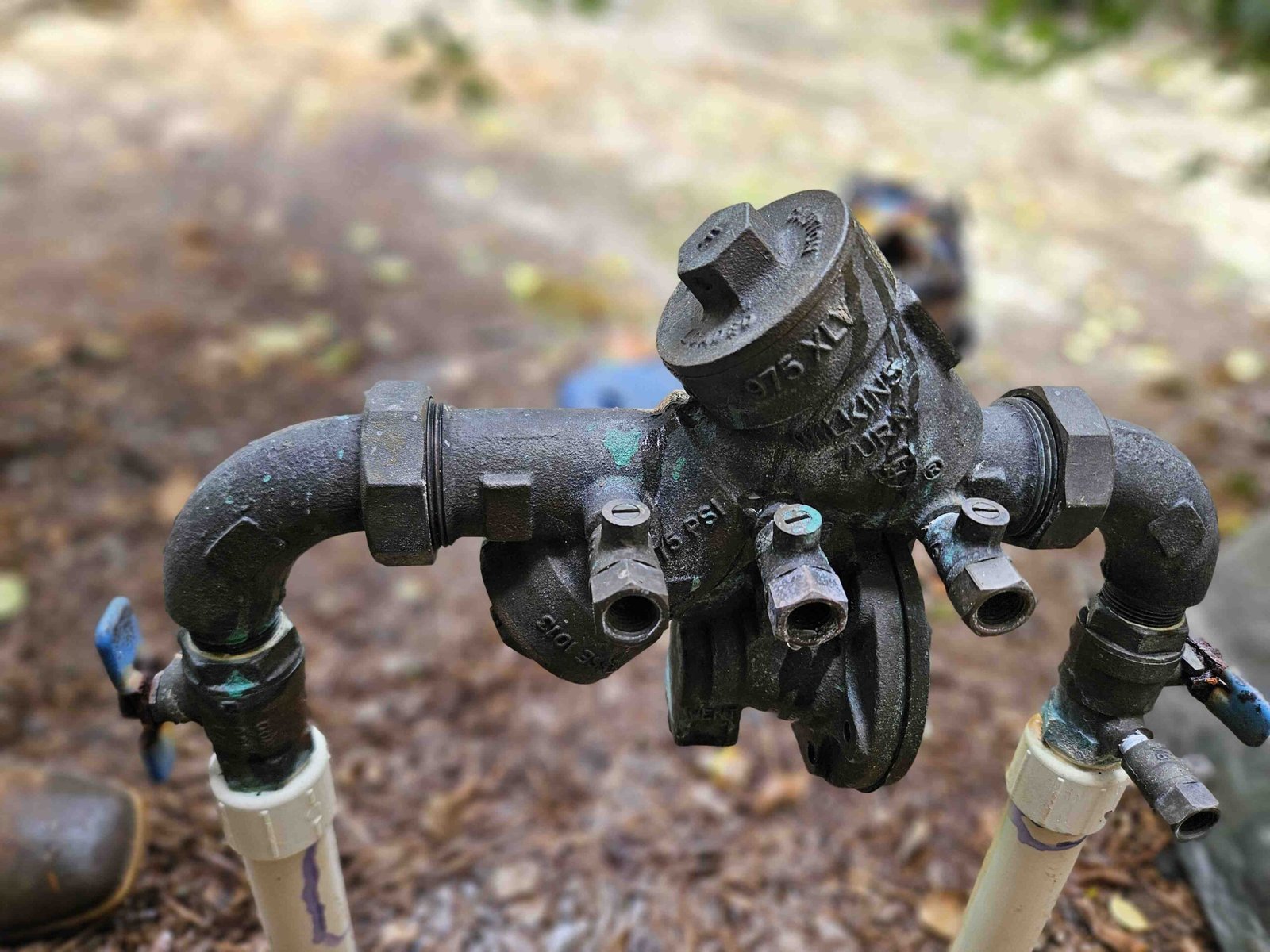
A backflow preventer is a plumbing device designed to stop contaminated water from flowing back into the public water supply. These devices are commonly installed in:
- Residential irrigation systems
- Commercial buildings
- Restaurants
- Apartment complexes
- Industrial facilities
- Fire sprinkler systems
When a backflow preventer becomes damaged, outdated, or fails an inspection, replacement is often the safest and most cost-effective solution.
Average Backflow Replacement Cost
The average backflow replacement cost typically ranges between $500 and $2,500, depending on the type of assembly and installation requirements.
For residential properties, most homeowners can expect to pay between $700 and $1,500 for a standard replacement. Commercial systems often require larger devices and more complex installations, resulting in higher costs.
While these numbers provide a general estimate, every property is unique. A professional inspection is the best way to determine the exact backflow replacement cost for your system.
Factors That Affect Backflow Replacement Cost
Several variables influence the final backflow replacement cost.
Type of Backflow Preventer
Different backflow assemblies vary significantly in price.
Common types include:
- Double Check Valve Assembly (DCVA)
- Reduced Pressure Zone Assembly (RPZ)
- Pressure Vacuum Breaker (PVB)
- Atmospheric Vacuum Breaker (AVB)
RPZ devices are generally more expensive because they offer a higher level of protection and contain more complex internal components.
Device Size
The size of the backflow preventer directly impacts replacement costs.
Larger devices require:
- More materials
- Larger fittings
- Additional labor
- Specialized equipment
Commercial systems often use larger assemblies, increasing the overall backflow replacement cost.
Installation Complexity
Some replacements are straightforward, while others require significant plumbing modifications.
Factors that may increase installation complexity include:
- Limited access to the device
- Underground installations
- Corroded piping
- Required code upgrades
- Additional permits
The more complicated the installation, the higher the total backflow replacement cost.
Local Code Requirements
Municipal regulations often require specific backflow prevention devices based on property type and risk level.
If your local water authority mandates a higher-grade assembly than your current system, the backflow replacement cost may increase due to equipment and installation requirements.
Signs You May Need a Backflow Replacement
Many property owners wait until a system completely fails before considering replacement. However, recognizing early warning signs can help avoid emergency repairs and unexpected expenses.
Common indicators include:
Frequent Test Failures
Annual backflow testing is required in many areas. Repeated failures often indicate that the device is nearing the end of its useful life.
Visible Leaks
Leaks around the assembly may signal internal damage or deteriorated components.
Corrosion and Rust
Heavy corrosion can weaken the device and compromise its performance.
Reduced Water Pressure
A failing assembly can restrict water flow and create noticeable pressure issues throughout the property.
Aging Equipment
Most backflow preventers have a lifespan of approximately 5 to 15 years, depending on maintenance and environmental conditions.
If your system is older and experiencing problems, replacement may be more economical than ongoing repairs.
Repair vs. Replacement: Which Is Better?
Many property owners wonder whether they should repair their existing device or invest in a complete replacement.
Repairs are often suitable when:
- Damage is minor
- Parts are readily available
- The device is relatively new
Replacement is typically recommended when:
- Repairs are becoming frequent
- The device repeatedly fails inspections
- Corrosion is extensive
- Replacement parts are unavailable
- The assembly has exceeded its expected lifespan
In many cases, replacing an aging device can reduce long-term maintenance expenses and improve reliability.
Why Professional Installation Matters
Backflow prevention devices are essential safety components that must be installed correctly to comply with local regulations and protect water quality.
Professional installation provides several advantages:
Accurate Sizing
Certified technicians ensure the replacement device matches your property’s specific requirements.
Code Compliance
Proper installation helps avoid violations and inspection failures.
Reliable Performance
Professional workmanship reduces the risk of leaks, pressure issues, and future repairs.
Certified Testing
Most jurisdictions require testing after installation to verify proper operation.
Working with experienced professionals helps ensure your investment delivers long-term value and protection.
How to Reduce Backflow Replacement Costs
Although replacement is sometimes unavoidable, there are ways to minimize overall expenses.
Schedule Regular Testing
Routine inspections help identify small issues before they become major problems.
Perform Preventive Maintenance
Regular maintenance can extend the lifespan of your backflow assembly and delay replacement.
Address Repairs Early
Prompt repairs often prevent additional damage that could increase the eventual backflow replacement cost.
Work With Certified Specialists
Experienced technicians can recommend the most cost-effective solution for your specific situation.
Why Choose NC Backflow Tests?
When it comes to determining and managing your backflow replacement cost, choosing the right service provider makes all the difference.
NC Backflow Tests specializes in:
- Backflow testing
- Backflow inspections
- Backflow repairs
- Backflow replacements
- Compliance assistance
Their experienced team understands local regulations and provides reliable solutions tailored to residential and commercial properties.
By working with NC Backflow Tests, property owners gain peace of mind knowing their water supply is protected by qualified professionals.
Final Thoughts
So, how much should a backflow replacement cost? While most residential replacements range from $700 to $1,500, the actual price depends on the type of device, installation requirements, local codes, and property conditions.
Investing in a quality replacement protects your water supply, ensures regulatory compliance, and helps avoid costly plumbing issues in the future. Regular testing and maintenance can also help extend the life of your system and reduce overall ownership costs.
If you suspect your backflow preventer is failing or would like an expert assessment, contact NC Backflow Tests today. Their knowledgeable team can evaluate your system, explain your options, and provide professional replacement services that keep your water safe and your property compliant.
Recent news
-

Why Aging Backflow Preventers Can Put Your Water System at Risk
07 October 2026
Schedule Your Backflow Test Today!
Ensure your water stays safe and compliant. Book your backflow test with us today—quick, easy, and hassle-free.