
26
September
What Makes a Good Backflow Enclosure? Key Features to Consider
A reliable backflow enclosure does more than cover a backflow prevention device. It helps protect important plumbing equipment from weather, physical damage, debris, and other environmental conditions. The right enclosure can also make inspection and maintenance easier. For property owners, choosing professional backflow enclosures services can help ensure that the enclosure is properly selected, installed, and maintained.
Whether you manage a commercial property, apartment complex, industrial site, or residential property, understanding the key features of a good backflow enclosure can help you make informed decisions.
What Is a Backflow Enclosure?
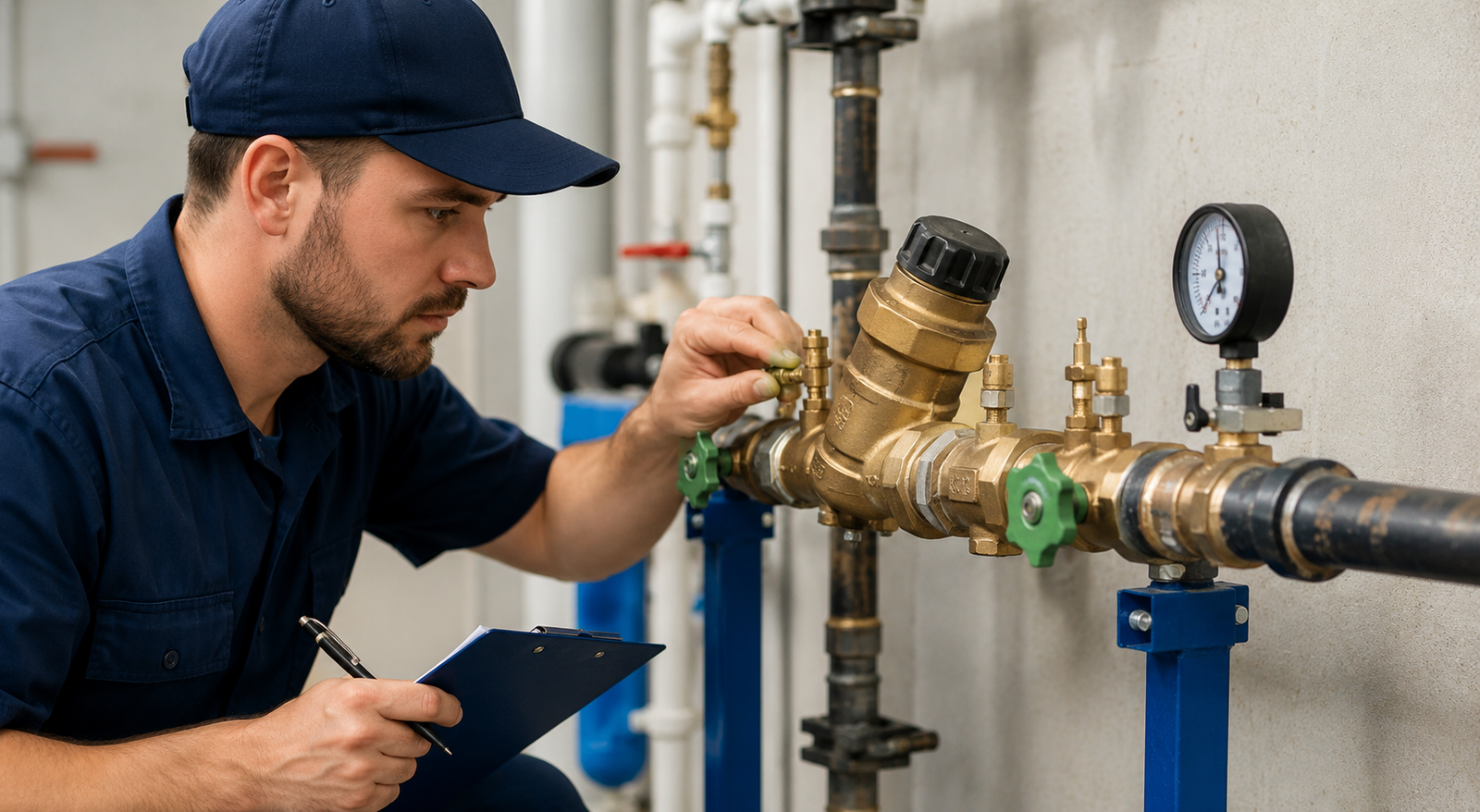
A backflow enclosure is a protective structure installed around a backflow prevention assembly. Backflow prevention devices are designed to help prevent contaminated or non-potable water from flowing backward into a clean water supply.
Because these devices are often installed outdoors, they can be exposed to rain, sunlight, freezing temperatures, landscaping equipment, animals, and accidental impact. An enclosure provides an additional layer of protection while still allowing the device to be inspected and serviced when necessary.
The enclosure should not interfere with the operation of the backflow prevention assembly. Instead, it should provide appropriate protection while allowing plumbers and testers enough access to perform required work.
Why Is a Quality Backflow Enclosure Important?
A properly designed enclosure can help extend the useful life of backflow equipment and make routine service more convenient. Without adequate protection, outdoor assemblies may experience problems caused by weather, physical contact, dirt, or other environmental factors.
A good enclosure may help with:
- Protection from harsh weather
- Reduced risk of accidental damage
- Protection from debris and landscaping activities
- Better organization around the plumbing assembly
- Easier access for inspections and maintenance
- Improved appearance of exposed plumbing equipment
- Additional protection in areas with extreme temperatures
The enclosure should be selected according to the location, equipment, climate, and access requirements.
Key Features of a Good Backflow Enclosure
Not every enclosure provides the same level of protection. Several important features should be considered before installation.
1. Durable Construction
The enclosure should be made from materials that can withstand the conditions where it will be installed. Outdoor enclosures may face rain, humidity, sunlight, temperature changes, and accidental impacts.
Durable construction can reduce the risk of cracking, corrosion, or other damage. The appropriate material will depend on the application and installation environment.
For commercial and industrial properties, additional durability may be important because the enclosure could be located near parking areas, loading zones, landscaping equipment, or other areas with frequent activity.
2. Proper Ventilation
Ventilation is another important consideration. A completely sealed enclosure may trap moisture and heat, which can contribute to condensation and other problems.
A properly designed enclosure should provide suitable airflow while still offering protection. Ventilation requirements can vary depending on the type of backflow assembly and the enclosure design.
Professional installation can help ensure that the enclosure provides an appropriate balance between protection and ventilation.
3. Easy Access for Testing and Repairs
Backflow prevention assemblies need to be accessible for inspection, testing, maintenance, and repairs. An enclosure should never make routine service unnecessarily difficult.
Doors, panels, and openings should be designed so qualified professionals can reach the equipment safely. Sufficient working space is also important.
When an enclosure is too small or poorly positioned, technicians may have difficulty performing tests or replacing components. A well-planned enclosure helps make future maintenance more efficient.
4. Weather Protection
Outdoor backflow assemblies can be affected by changing weather conditions. Rain, snow, strong sunlight, and freezing temperatures can create challenges for exposed plumbing equipment.
A suitable enclosure can provide protection from many environmental factors. In colder climates, the enclosure may also be part of a broader strategy for protecting equipment from freezing conditions.
However, an enclosure should be selected based on the specific climate and installation requirements rather than simply assuming that any protective cover will provide adequate protection.
5. Appropriate Size
Size matters when choosing a backflow enclosure. The enclosure should provide enough space around the assembly without being unnecessarily large.
A properly sized enclosure can help provide:
- Adequate equipment clearance
- Comfortable access for technicians
- Space for testing and maintenance
- Proper airflow
- Room for required components
Before installation, measurements should be taken carefully. The enclosure should accommodate the existing assembly and allow access for future service.
6. Security and Protection
Backflow assemblies may be installed in publicly accessible areas. A good enclosure can help reduce the risk of accidental interference or unauthorized access.
Depending on the property, additional security features may be appropriate. These can include locking mechanisms or reinforced construction.
The security design should still allow authorized technicians to access the assembly when testing or maintenance is required.
7. Corrosion Resistance
Outdoor plumbing equipment may be exposed to moisture for long periods. If enclosure materials are not appropriate for the environment, corrosion can become a concern.
Choosing corrosion-resistant materials can help improve durability and reduce maintenance requirements. The best material will depend on factors such as climate, installation location, exposure, and the surrounding environment.
8. Proper Installation
Even a high-quality enclosure may not perform properly if it is installed incorrectly.
The enclosure should be positioned carefully around the backflow assembly. It should not place unnecessary pressure on pipes or interfere with valves, test ports, or other components.
Professional backflow enclosures services can help property owners select an appropriate enclosure and have it installed correctly.
Backflow Enclosure Maintenance
Installing an enclosure is not the end of the process. Regular inspection can help identify problems before they become more serious.
Property owners should watch for:
- Damaged panels
- Corrosion
- Loose hardware
- Blocked ventilation openings
- Standing water
- Difficult-to-open access panels
- Signs of animal or pest activity
- Damage caused by landscaping equipment
The condition of the backflow prevention assembly should also be checked by qualified professionals according to applicable testing requirements.
Keeping the area around the enclosure clean and accessible can make future inspections easier.
When Should a Backflow Enclosure Be Replaced?
An enclosure may eventually need repair or replacement due to age, physical damage, corrosion, or changes to the plumbing system.
Replacement may be worth considering when the enclosure:
- No longer protects the equipment adequately
- Has significant corrosion or structural damage
- Prevents technicians from accessing the assembly
- Has damaged doors or locking components
- Does not provide appropriate ventilation
- No longer fits the backflow assembly
In some cases, repairs may be sufficient. A professional assessment can help determine whether repair or replacement is more appropriate.
What Are Backflow Restoration Services?
Over time, a backflow prevention system and its protective enclosure may require repairs or restoration. Backflow restoration services can address issues involving damaged equipment, enclosure components, accessibility, or other parts of the system that need attention.
Restoration work should be evaluated based on the condition of the equipment and the requirements of the property. Addressing problems early may help prevent additional damage and keep the system easier to maintain.
Choosing Professional Backflow Enclosures Services
Selecting the right service provider is an important part of protecting your backflow prevention equipment. Look for professionals who understand backflow systems, outdoor installations, testing requirements, and enclosure considerations.
Before hiring a provider, consider whether they can help with:
- Enclosure selection
- Professional installation
- Inspection and maintenance
- Backflow testing
- Repairs and restoration
- Equipment accessibility
- Commercial and residential applications
A knowledgeable service provider can evaluate the installation area and recommend an enclosure based on the actual needs of the property.
Protect Your Backflow System With the Right Enclosure
A good backflow enclosure should provide protection without making testing and maintenance difficult. Durable construction, proper ventilation, weather protection, adequate space, accessibility, security, and corrosion resistance are all important features to consider.
For property owners who need assistance with enclosure installation, maintenance, or repairs, professional backflow enclosures services can provide practical support. If an existing system has been damaged or requires improvement, backflow restoration services may also help restore the installation.
Choosing and maintaining the right enclosure can help protect your backflow prevention equipment and support the continued reliability of your water system. For professional assistance, visit NC Backflow Tests to learn more about backflow enclosure solutions.
Recent news
-
What Makes a Good Backflow Enclosure? Key Features to Consider
26 September 2026
-
5 Warning Signs You May Need Backflow Replacement Services
22 September 2026
-
Backflow Preventer Problems? When to Call a Repair Specialist
18 September 2026
Schedule Your Backflow Test Today!
Ensure your water stays safe and compliant. Book your backflow test with us today—quick, easy, and hassle-free.