

22
September
5 Warning Signs You May Need Backflow Replacement Services
Your backflow prevention device plays an important role in protecting your home’s clean water supply. It helps prevent contaminated water from flowing backward into the drinking water system. Like other plumbing components, a backflow preventer can wear out, become damaged, or stop working correctly over time. When this happens, backflow replacement services may be needed to restore proper protection.
Knowing the warning signs can help homeowners address problems before they become more serious. Regular inspections and Residential Backflow Testing Services can also help identify performance issues and determine whether a device needs repair or replacement.
1. Your Backflow Preventer Is Old or Worn Out
One of the most common reasons for replacement is age. Backflow prevention devices are exposed to water pressure, temperature changes, mineral buildup, and normal wear throughout their service life. Internal components can gradually lose their ability to operate properly.
An older device may continue to look fine from the outside while its internal parts become less reliable. Springs, valves, seals, and other components can deteriorate over time. If your backflow preventer has been installed for many years, it may be worth having it inspected by a qualified professional.
Regular Residential Backflow Testing Services can help determine whether an older device is still operating within the required specifications. If testing shows that the device cannot perform properly or cannot be repaired effectively, replacement may be recommended.
2. The Device Frequently Fails Backflow Testing
Backflow testing is an important way to check whether a prevention device is working correctly. During testing, a professional checks the device under controlled conditions to determine whether its protective components are functioning as intended.
A failed test does not always mean that the entire device must be replaced. Sometimes, cleaning, adjustment, or repair may solve the problem. However, repeated test failures can indicate that the device is worn or damaged beyond practical repair.
If your backflow preventer repeatedly fails testing, professional backflow replacement services may provide a longer-term solution. A qualified technician can evaluate the device and determine whether repair or replacement is appropriate.
Homeowners should avoid ignoring repeated test failures. A properly functioning backflow prevention system is an important part of protecting the potable water supply.
3. You Notice Leaking Around the Backflow Device
Water leaking around a backflow preventer should not be ignored. A small drip may seem harmless, but it can indicate a problem with seals, valves, connections, or internal components.
Some backflow prevention devices may discharge water under certain operating conditions. However, continuous or unusual leaking should be inspected by a professional.
If tightening a connection or replacing a small component does not resolve the issue, the device may need more extensive repair or replacement. Corrosion and worn internal components can make repairs less practical, especially when the device is older.
Professional inspection can help identify the source of the leak and determine the most suitable solution. In some cases, backflow replacement services may be recommended to restore reliable operation.
4. The Device Shows Corrosion or Physical Damage
Backflow preventers are often installed outdoors, where they can be exposed to rain, humidity, temperature changes, dirt, and other environmental conditions. Over time, these conditions may contribute to corrosion or physical deterioration.
Look for visible signs such as:
- Rust or corrosion on the body
- Cracked components
- Damaged valves
- Broken fittings
- Loose connections
- Unusual discoloration
- Signs of freezing or impact damage
Visible damage does not automatically mean replacement is required. A professional should inspect the equipment before a decision is made.
However, severe corrosion or structural damage can affect the reliability of the device. If important components are compromised, replacement may be safer and more practical than continuing to repair an aging unit.
5. Your Backflow Preventer No Longer Performs Reliably
Sometimes, there may not be one obvious warning sign. Instead, the device may simply become unreliable during testing or normal operation.
A backflow prevention device has an important job. It must respond correctly to changes in water pressure and help prevent unwanted reverse flow. If internal components are sticking, damaged, or worn, the device may not provide the expected level of protection.
This is one reason routine inspections and Residential Backflow Testing Services are valuable. Professional testing can identify problems that may not be visible during a basic visual inspection.
If a technician determines that the device is no longer dependable and repairs are unlikely to provide a lasting solution, replacement may be recommended.
Why Backflow Prevention Matters
Backflow can occur when changes in water pressure cause water to move in the opposite direction from its normal flow. This can create a potential pathway for contaminants to enter the potable water system.
Potential sources of contamination can include chemicals, fertilizers, irrigation water, and other substances connected to a plumbing system.
A properly functioning backflow prevention device helps reduce this risk. However, the device needs to be maintained and tested to ensure that it continues to operate correctly.
For homeowners, regular maintenance can be an important part of responsible plumbing care.
Backflow Repair or Replacement: Which Do You Need?
A failed backflow test does not automatically mean replacement is necessary. The appropriate solution depends on the condition of the device and the specific problem.
Repair may be suitable when:
- The device is relatively new.
- The main components are in good condition.
- The problem can be corrected with replacement parts.
- The device can return to proper operation after servicing.
Replacement may be considered when:
- The device is severely damaged.
- Corrosion has affected important components.
- The device repeatedly fails testing.
- Replacement parts are unavailable.
- Repairs are no longer practical.
- The unit has reached the end of its useful service life.
A qualified professional can inspect the equipment and explain the available options before work begins.
How Residential Backflow Testing Services Can Help
Regular Residential Backflow Testing Services can help homeowners identify problems before they become more difficult to address. Testing provides a way to evaluate whether a backflow prevention device is functioning properly.
Testing can also help identify whether a device requires maintenance, repair, or replacement. Depending on local requirements and the type of backflow prevention system installed, periodic testing may be required.
Homeowners should keep records of completed testing and maintenance when applicable. If a test indicates that the device is not operating correctly, addressing the issue promptly can help maintain proper protection for the water system.
What to Expect From Backflow Replacement Services
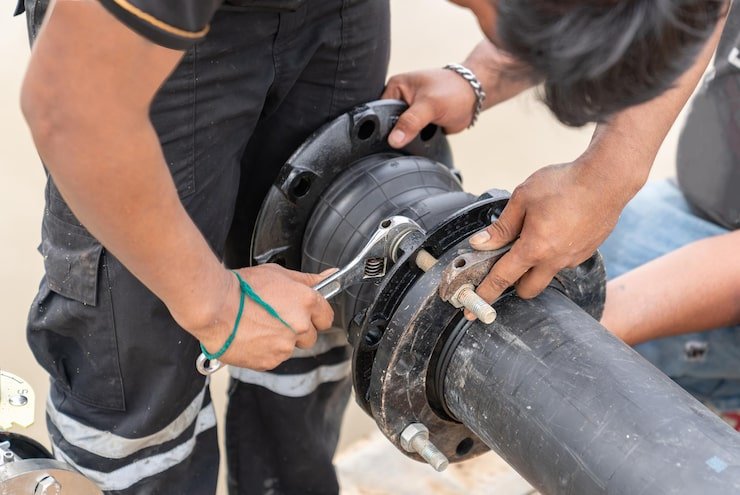
When replacement is recommended, the process generally starts with an inspection of the existing device. The technician can identify the type, size, and condition of the backflow preventer and determine the appropriate replacement option.
The old device is then removed, and the replacement is installed according to applicable plumbing requirements. After installation, testing may be performed to confirm that the new device is functioning correctly.
Professional installation is important because an improperly installed device may not provide the intended protection.
Protect Your Home’s Water Supply
A backflow preventer may not receive much attention during everyday plumbing maintenance, but it can play an important role in protecting the water system. Leaks, corrosion, repeated test failures, physical damage, and age can all be signs that your device needs professional attention.
If you notice any of these warning signs, consider scheduling an inspection instead of waiting for the problem to become more serious. Professional backflow replacement services can help determine whether your existing device should be repaired or replaced.
Regular Residential Backflow Testing Services can also help identify potential problems and confirm that your backflow prevention equipment is working as expected. Taking care of these systems can provide homeowners with greater confidence that their plumbing system is properly protected.
Recent news
-
5 Warning Signs You May Need Backflow Replacement Services
22 September 2026
-
Backflow Preventer Problems? When to Call a Repair Specialist
18 September 2026
-
When Should You Schedule Backflow Testing for Your Property?
14 September 2026
Schedule Your Backflow Test Today!
Ensure your water stays safe and compliant. Book your backflow test with us today—quick, easy, and hassle-free.