
30
September
Is Your Backflow Device Failing? Here’s What NC Property Owners Should Know
A backflow prevention device plays an important role in protecting a property’s water supply. When the device becomes damaged, worn, or fails to operate correctly, contaminated water can potentially flow backward into clean water lines. For property owners, recognizing the warning signs early can help prevent larger plumbing problems and protect water quality. Professional backflow restoration services NC can help identify problems and restore a backflow system to proper working condition.
Backflow issues can affect homes, commercial buildings, irrigation systems, and other properties. Regular Backflow Testing can also help identify whether a prevention device is operating as intended.
What Is a Backflow Prevention Device?
A backflow prevention device is designed to stop water from flowing in the wrong direction through a plumbing system. Under normal conditions, water moves from the main supply toward faucets, appliances, irrigation systems, and other points of use.
Backflow can occur when the pressure in the water system changes. Two common causes are backpressure and backsiphonage. Backpressure can happen when pressure on the property’s side becomes higher than the pressure in the public water supply. Backsiphonage can occur when there is a sudden drop in supply pressure.
A properly functioning backflow prevention device helps reduce the risk of contaminated water entering the clean water supply.
Signs Your Backflow Device May Be Failing
Backflow devices can experience wear over time. Some problems may be visible, while others may only be discovered during professional inspection or testing.
1. Visible Leaks
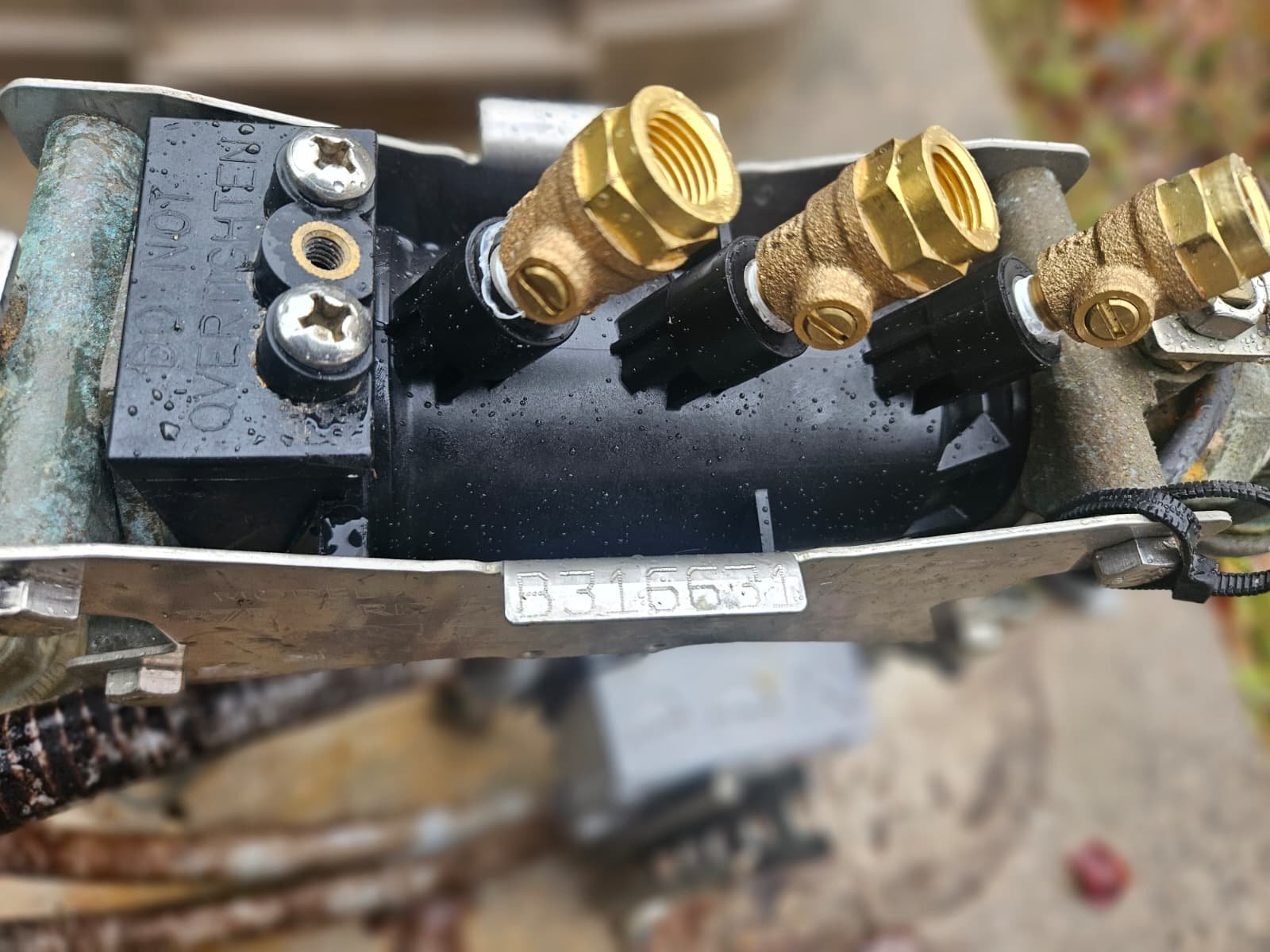
Water leaking around a backflow prevention assembly should not be ignored. A small leak may indicate a damaged seal, loose connection, worn component, or another internal issue.
Although not every leak means the entire device needs to be replaced, it should be inspected by a qualified professional.
2. Failed Backflow Testing
One of the clearest signs of a potential problem is a failed Backflow Testing result. Testing checks whether the device is maintaining the required pressure conditions and preventing unwanted reverse water flow.
If a device fails testing, the cause should be identified and corrected. Depending on the condition of the assembly, repair, replacement of components, or restoration may be required.
3. Corrosion or Physical Damage
Backflow prevention assemblies are exposed to water, pressure changes, weather conditions, and other environmental factors. Over time, corrosion or physical damage may develop.
Rust, cracks, damaged fittings, or other visible deterioration can affect the reliability of the system. An inspection can determine whether the device can be restored or needs replacement.
4. Unusual Water Pressure
Changes in water pressure can sometimes indicate a plumbing problem. If pressure becomes unusually low or fluctuates around the same time that a backflow device develops problems, professional evaluation may be appropriate.
Water pressure issues can have several causes, so testing should be used to determine whether the backflow device is involved.
5. Repeated Testing Failures
A device that repeatedly fails testing may have an underlying mechanical problem. Replacing one small component may not always resolve the issue if other parts have also become worn.
Professional backflow restoration services NC can help determine what is causing repeated failures and what corrective work may be needed.
Why Backflow Testing Matters
Backflow Testing is an important part of maintaining a backflow prevention system. Testing provides information about how the device is performing and whether it is providing the intended protection.
Testing may be especially important for properties with irrigation systems, commercial plumbing, fire protection systems, or other potential cross-connections.
A professional tester can evaluate the assembly and identify whether it passes or fails according to applicable requirements. If the device does not pass, corrective action can then be considered.
Regular testing can also help property owners identify developing problems before they become more complicated.
What Causes Backflow Devices to Fail?
Several factors can contribute to backflow device problems.
Age: Mechanical components can wear down over time.
Corrosion: Exposure to moisture and environmental conditions can cause corrosion and deterioration.
Debris: Dirt or debris can interfere with internal components and prevent proper operation.
Freezing temperatures: Water trapped inside a device can freeze and potentially damage components.
Pressure changes: Sudden changes in water pressure can place stress on plumbing components.
Poor installation or maintenance: Incorrect installation or inadequate maintenance can affect long-term performance.
Understanding the cause of a failure is important because simply repairing the visible problem may not address the underlying issue.
What Happens During Backflow Restoration?
The restoration process depends on the type of device and the problem that has been identified. A professional service may begin with an inspection of the assembly and surrounding plumbing.
The device can then be evaluated for leaks, corrosion, damaged parts, debris, and other issues. If repairable components are identified, they may be serviced or replaced.
After restoration work is completed, additional testing may be performed to confirm that the assembly is operating correctly.
The exact process can vary based on the device, property, installation, and applicable requirements. Property owners should rely on qualified professionals rather than attempting complex backflow repairs themselves.
Backflow Restoration vs. Backflow Replacement
Not every failing backflow device needs to be completely replaced.
If the assembly is structurally sound and the problem involves serviceable components, restoration or repair may be possible. However, a severely damaged, corroded, outdated, or otherwise unsuitable device may require replacement.
An inspection can help determine which approach is appropriate.
Choosing restoration when practical may help extend the useful life of an existing system. Replacement may be more appropriate when restoration cannot provide reliable operation.
Who May Need Backflow Restoration Services in NC?
Backflow concerns are not limited to one type of property. Residential and commercial property owners may need professional assistance when their prevention devices fail testing or show signs of damage.
Potential applications include:
- Residential properties with irrigation systems
- Commercial buildings
- Restaurants and food service facilities
- Apartment and multi-unit properties
- Industrial facilities
- Properties with fire protection systems
- Buildings with complex plumbing systems
- Irrigation and landscape systems
Because plumbing configurations vary, each property should be evaluated based on its specific backflow risks and system requirements.
How Property Owners Can Help Prevent Problems
Regular maintenance can help keep a backflow prevention system in good condition. Property owners should avoid covering or obstructing the device and should check for obvious signs of leaks or damage.
Seasonal conditions should also be considered. In areas where freezing temperatures occur, appropriate protection may help reduce the risk of freeze-related damage.
Most importantly, required Backflow Testing should not be overlooked. Testing can provide an early indication that a device needs maintenance or restoration.
If a test identifies a problem, addressing it promptly can help prevent the issue from becoming more serious.
Why Professional Backflow Services Matter
Backflow prevention devices are part of a property’s plumbing safety system. Their condition can affect the protection of the water supply, which makes proper inspection, testing, repair, and restoration important.
Professional backflow restoration services NC can provide a structured approach to identifying the cause of a failure and determining the appropriate corrective work. Depending on the situation, the service may include inspection, component repair, cleaning, replacement of damaged parts, and follow-up testing.
Property owners should also keep records of testing and maintenance when required. Documentation can make it easier to track the condition of the device and identify recurring problems.
Final Thoughts
A failing backflow prevention device should not be ignored. Leaks, corrosion, physical damage, unusual pressure changes, and failed Backflow Testing can all indicate that professional attention is needed.
Early inspection can help determine whether a device can be restored or whether replacement is more appropriate. With regular testing and proper maintenance, property owners can take practical steps toward keeping their plumbing systems functioning properly.
If your backflow prevention device has failed a test or is showing signs of damage, professional backflow restoration services NC can help evaluate the system and identify the next steps.
Recent news
-
What Makes a Good Backflow Enclosure? Key Features to Consider
26 September 2026
-
5 Warning Signs You May Need Backflow Replacement Services
22 September 2026
Schedule Your Backflow Test Today!
Ensure your water stays safe and compliant. Book your backflow test with us today—quick, easy, and hassle-free.