
26
August
How Proper Backflow Enclosures Help Protect Plumbing Equipment
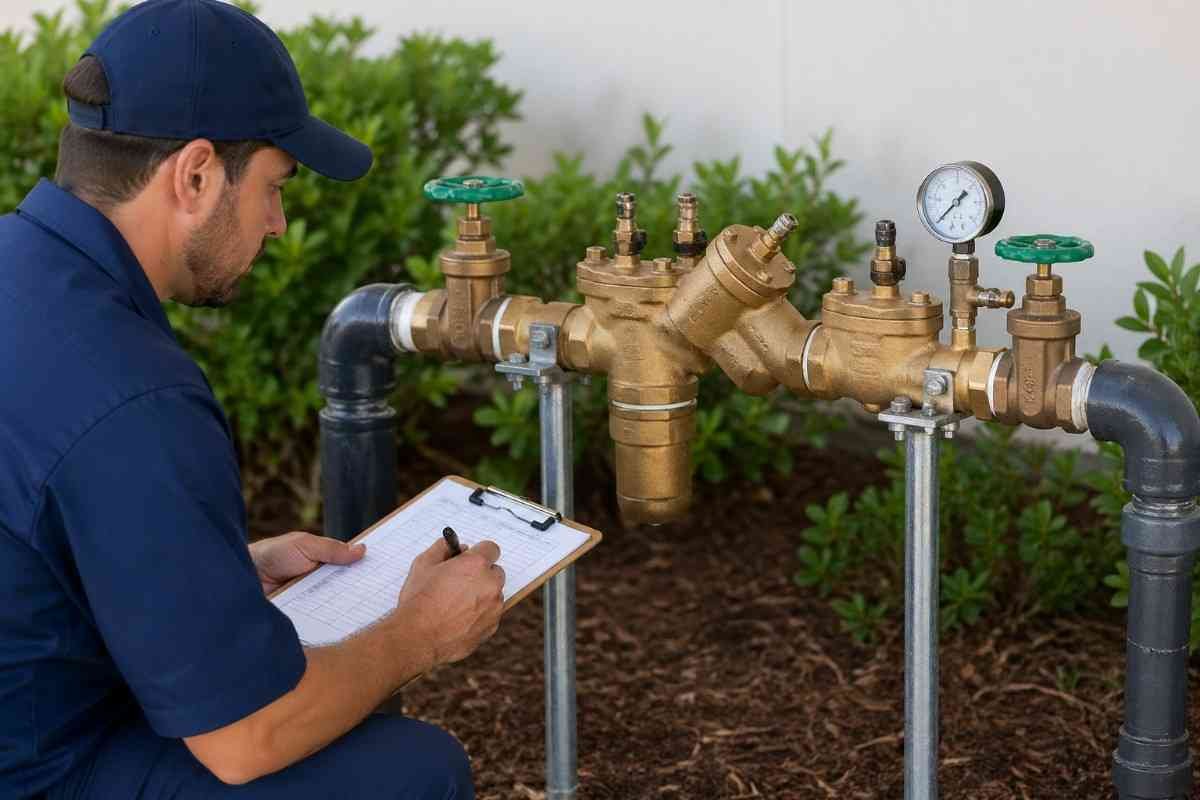
A backflow prevention system plays an important role in keeping water supplies safe and plumbing systems working properly. However, the backflow preventer itself is often installed outdoors, where it can be exposed to cold weather, rain, dirt, animals, accidental impact, and other problems. This is where proper backflow enclosures services can make a real difference.
A well designed enclosure provides a protective space around the backflow prevention assembly while still allowing technicians to inspect, test, repair, and replace the equipment. For property owners, this simple layer of protection can help reduce damage, avoid unexpected repairs, and support the long term performance of the plumbing system.
What Is a Backflow Enclosure?
A backflow enclosure is a protective structure installed around an outdoor backflow prevention assembly. It is usually made from materials such as fiberglass, aluminum, or other approved materials. The enclosure is designed to protect the backflow device without blocking access needed for maintenance.
Backflow preventers are used to stop water from flowing in the wrong direction. Without proper protection, contaminated or non potable water could potentially enter a potable water supply through a cross connection.
The North Carolina Plumbing Code requires potable water systems to be designed and maintained to prevent contamination from non potable liquids, solids, or gases. It also states that outdoor enclosures for backflow prevention devices must comply with ASSE 1060.
Why Does a Backflow Preventer Need an Enclosure?
Outdoor plumbing equipment is exposed to changing conditions throughout the year. A backflow preventer may work well when it is first installed, but repeated exposure to weather and physical damage can affect its condition.
A proper enclosure can provide protection in several important ways.
1. Protection From Freezing Temperatures
Cold weather is one of the biggest concerns for outdoor plumbing equipment. Water inside a backflow prevention assembly can freeze and expand. This pressure can damage internal parts, valves, seals, and connected pipes.
The North Carolina Plumbing Code says backflow preventers should not be placed where they are exposed to freezing conditions unless they can be removed by unions or are protected from freezing through heat, insulation, or both.
A properly selected enclosure can provide insulation and, where appropriate, heating to help reduce the risk of freeze related damage.
2. Protection From Rain and Moisture
Constant exposure to rain and moisture can contribute to corrosion and deterioration of plumbing components. Water can also collect around equipment when drainage is poor.
A good enclosure helps shield the assembly from direct weather exposure while allowing proper drainage. This is especially important for reduced pressure principle assemblies because they can discharge water through their relief port.
The enclosure should never block the relief port or prevent water from draining correctly. Local requirements may also specify drainage features for outdoor installations.
3. Protection From Physical Damage
Backflow assemblies can be installed near driveways, parking areas, sidewalks, lawns, and commercial properties. Because of their location, they may be vulnerable to accidental damage from vehicles, lawn equipment, construction work, or other activity.
An enclosure creates a visible physical barrier around the equipment. This can reduce the chance of accidental impact and help keep the backflow assembly in good working condition.
4. Reduced Exposure to Dirt and Debris
Outdoor plumbing equipment can collect dirt, leaves, grass, dust, and other debris. Small debris can make inspection and maintenance more difficult.
An enclosure helps create a cleaner environment around the assembly. This can make it easier for a technician to identify leaks, inspect components, and perform testing.
Keeping the area clean also helps technicians work more safely and efficiently.
How Enclosures Help Protect Plumbing Equipment
The main purpose of a backflow enclosure is protection, but its benefits can extend to the wider plumbing system.
When a backflow prevention assembly is damaged, frozen, or poorly maintained, the property owner may face leaks, water interruptions, or repair costs. A properly installed enclosure can help protect the assembly from several common outdoor risks.
This does not mean an enclosure replaces regular testing or maintenance. Backflow prevention equipment still needs to be inspected and tested according to applicable requirements.
Instead, the enclosure should be viewed as another part of a complete protection plan.
Choosing the Right Backflow Enclosure
Not every enclosure is suitable for every backflow assembly. The size, location, device type, weather conditions, drainage needs, and access requirements should all be considered.
A properly selected enclosure should provide enough space for the backflow assembly and allow technicians to reach the equipment.
The North Carolina Plumbing Code specifically requires access to backflow preventers as specified by the manufacturer’s instructions. It also requires outdoor enclosures to comply with ASSE 1060.
Some local requirements can add further details. For example, certain North Carolina local codes require outdoor backflow assemblies to use approved insulated enclosures and provide drainage and access for testing and repair.
Because requirements can vary by location, property owners should check the applicable local rules before installing or replacing an enclosure.
Why Professional Installation Matters
Installing an enclosure may look like a simple job, but the enclosure must work with the backflow prevention assembly. Poor installation can make testing difficult or create problems with drainage, insulation, access, or equipment support.
Professional backflow enclosures services can help ensure that the enclosure is selected and installed for the specific equipment and location.
A professional can check the existing assembly, measure the space, identify access requirements, and determine whether additional protection is needed.
Proper installation also helps make future maintenance easier. A technician should be able to open the enclosure and reach the backflow device without unnecessary obstacles.
When Should a Backflow Enclosure Be Replaced?
An enclosure does not last forever. It may need replacement when it becomes damaged, badly corroded, unstable, poorly insulated, or difficult to access.
Some signs that an enclosure may need attention include:
- Cracked or damaged panels
- Broken hinges or doors
- Missing insulation
- Poor drainage
- Standing water inside the enclosure
- Difficulty accessing the backflow assembly
- Damage caused by vehicles or landscaping equipment
- Rust or serious deterioration
- Loose or unstable mounting
- Evidence of animal or pest entry
If the enclosure can no longer protect the equipment properly, replacing it may be more practical than continuing to repair it.
When to Contact Backflow Replacement Specialists
Sometimes the enclosure is not the only problem. The backflow prevention assembly itself may be damaged or worn out.
Leaks, failed testing, damaged valves, corrosion, or repeated performance problems can indicate that the device needs professional attention. In these situations, backflow replacement specialists can inspect the assembly and determine whether repair or replacement is appropriate.
Replacing a backflow preventer should not be treated as a simple do it yourself plumbing project. The correct device must be selected for the application, installed properly, and made accessible for testing and maintenance.
Professional assistance can also help property owners avoid replacing a device with the wrong type or size.
Backflow Enclosures and Long Term Maintenance
A good enclosure can help protect equipment, but regular maintenance remains important.
Property owners should periodically look at the enclosure for visible damage, blocked drainage, loose parts, or signs of freezing. The area around the enclosure should also be kept clear of heavy vegetation and objects that could block access.
Backflow prevention assemblies should also be tested and maintained according to the requirements of the local water provider, applicable codes, and the equipment manufacturer.
Keeping the enclosure and assembly in good condition can make problems easier to spot before they become expensive repairs.
Protect Your Investment With Proper Backflow Protection
A backflow prevention assembly is an important part of a safe plumbing system. Protecting that equipment with a properly designed enclosure can help reduce exposure to freezing weather, rain, dirt, accidental impact, and other outdoor risks.
For property owners, the goal is simple: keep the backflow assembly protected while making sure it remains accessible for testing, inspection, maintenance, and repair.
If your current enclosure is damaged, poorly insulated, difficult to access, or no longer suitable for your backflow assembly, professional backflow enclosures services can help you find a better solution.
And when the backflow device itself needs repair or replacement, experienced backflow replacement specialists can evaluate the equipment and recommend the right next step.
For reliable information about backflow enclosure solutions, visit NC Backflow Tests to learn more about protecting outdoor backflow equipment and keeping your plumbing system properly maintained.
Recent news
-

Why Aging Backflow Preventers Can Put Your Water System at Risk
07 October 2026
Schedule Your Backflow Test Today!
Ensure your water stays safe and compliant. Book your backflow test with us today—quick, easy, and hassle-free.