

6
August
How Much Does It Cost to Rebuild a Backflow?
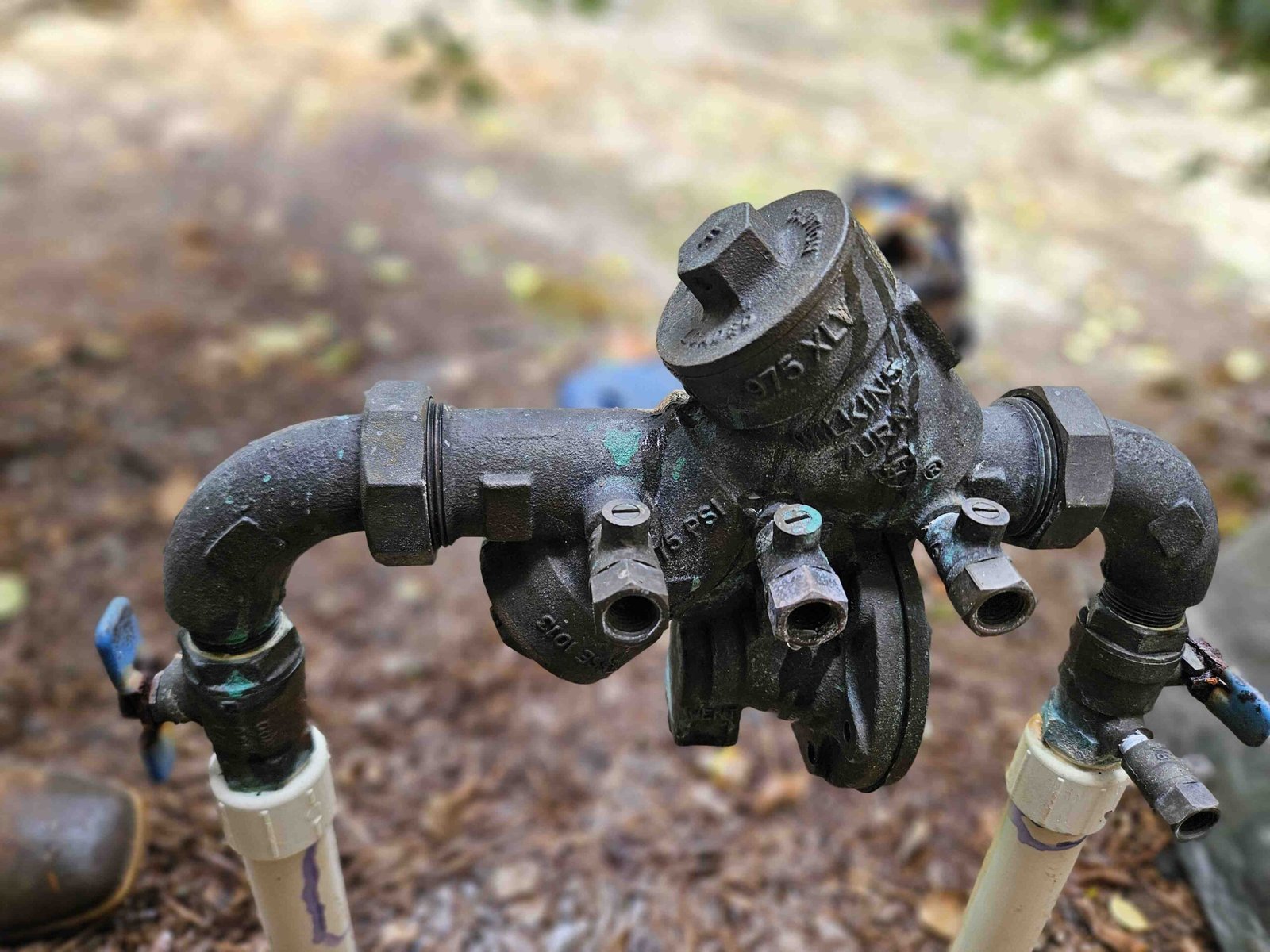
A backflow preventer protects your drinking water by stopping contaminated water from flowing backward into the clean water supply. Over time, internal components can wear out, corrode, or become damaged, making backflow restoration necessary. One of the most common questions property owners ask is: How much does it cost to rebuild a backflow?
The cost depends on several factors, including the type and size of the backflow preventer, the condition of its internal components, labor requirements, and whether additional repairs are needed. In many cases, rebuilding a backflow preventer costs less than replacing the entire assembly.
At NC Backflow Tests, professional backflow services help property owners keep their plumbing systems compliant, functional, and protected.
What Is a Backflow Preventer?
A backflow preventer is a plumbing device designed to protect potable water from contamination. Under normal conditions, water flows in the intended direction. If water pressure changes, however, contaminated water can potentially move backward through the plumbing system.
Backflow preventers are commonly installed at commercial properties, irrigation systems, industrial facilities, apartment complexes, and other locations where cross-connections could create a contamination risk.
Like other mechanical devices, backflow preventers require regular testing and maintenance. If testing identifies a problem, backflow restoration may be required.
How Much Does It Cost to Rebuild a Backflow?
The cost to rebuild a backflow preventer can vary significantly depending on the specific situation. A basic rebuild may cost a few hundred dollars, while larger or more complicated assemblies can cost considerably more.
Several factors influence the final price:
- Backflow preventer type
- Assembly size
- Manufacturer and model
- Replacement parts required
- Internal corrosion or damage
- Labor costs
- Accessibility of the assembly
- Testing requirements
- Additional plumbing repairs
A professional should inspect the assembly before providing a final estimate. Rebuilding involves more than simply replacing one component. The technician may need to disassemble the device, inspect its internal parts, replace worn components, reassemble it, and perform testing.
What Is Included in Backflow Restoration?
Backflow restoration generally involves restoring a malfunctioning backflow preventer to proper operating condition. The exact process depends on the assembly and the problem identified during testing.
A professional restoration may include:
1. Initial Inspection
The technician examines the backflow preventer and reviews its condition. Testing can help identify leaking valves, failed checks, pressure problems, or other performance issues.
2. Disassembly
The assembly may need to be carefully disassembled so the internal components can be inspected.
3. Component Inspection
Internal parts such as check valves, springs, seals, and other components are inspected for wear, corrosion, cracks, or damage.
4. Replacement of Worn Parts
Damaged or worn components are replaced with appropriate manufacturer-compatible parts.
5. Reassembly
After repairs are completed, the backflow preventer is reassembled according to the manufacturer’s specifications.
6. Testing
The repaired assembly should be tested to confirm that it operates correctly and meets applicable requirements.
This process helps determine whether restoration is a practical alternative to complete replacement.
Factors That Affect Backflow Rebuild Cost
Type of Backflow Preventer
Different assemblies have different designs and repair requirements. Reduced pressure zone (RPZ), double-check valve, pressure vacuum breaker, and other assemblies may require different parts and labor.
Size of the Assembly
A larger commercial backflow preventer typically requires more expensive replacement components and may take longer to service than a smaller residential assembly.
Condition of Internal Components
If the assembly has only minor wear, restoration may be relatively straightforward. Extensive corrosion, broken components, or other damage can increase the cost.
Availability of Replacement Parts
Some older or less common models may require specialized parts. If replacement components are difficult to obtain, the repair process may take longer and cost more.
Installation Location
A backflow preventer that is easy to access is generally simpler to service. Assemblies located in cramped spaces, underground areas, or difficult-to-reach enclosures may require additional labor.
Are Backflow Enclosures Important?
Yes. Backflow enclosures can provide protection for backflow prevention assemblies installed outdoors or in exposed locations. An enclosure can help shield the device from weather, physical damage, unauthorized access, and other environmental conditions.
A properly selected enclosure should provide sufficient space for inspection, testing, maintenance, and future repairs. It should not make the assembly difficult for technicians to access.
If an existing enclosure is damaged, undersized, or improperly installed, it may need to be repaired or replaced as part of a larger backflow service project.
Should You Rebuild or Replace a Backflow Preventer?
Rebuilding is not always the best option. A professional evaluation can help determine whether restoration makes financial and practical sense.
Rebuilding May Make Sense When:
- The assembly is structurally sound.
- Replacement parts are available.
- The damage is limited to internal components.
- The device can be restored to proper operation.
- Restoration costs are substantially lower than replacement.
Replacement May Be Better When:
- The body is severely corroded or damaged.
- Replacement parts are unavailable.
- The assembly repeatedly fails testing.
- The device is outdated or unsuitable for the application.
- Repair costs approach the cost of a new assembly.
A qualified backflow professional can inspect the equipment and explain the available options before work begins.
Why Professional Backflow Service Matters
Backflow prevention is an important part of protecting the potable water supply. Attempting to repair a backflow preventer without the proper knowledge or equipment can result in improper operation or failed testing.
Professional technicians understand how different assemblies operate and can identify problems that may not be obvious during a basic visual inspection.
Professional service can also help property owners maintain testing records and address problems identified during routine backflow testing.
How to Reduce Backflow Repair Costs
Regular testing and maintenance can help identify problems before they become more expensive. Property owners can also reduce unnecessary costs by addressing failed tests promptly.
Here are a few practical steps:
- Schedule required backflow testing on time.
- Address leaks or unusual pressure issues quickly.
- Keep the assembly accessible.
- Protect outdoor assemblies with appropriate backflow enclosures.
- Use compatible replacement parts.
- Have repairs performed by qualified professionals.
- Replace severely damaged assemblies when restoration is no longer economical.
Preventive maintenance can help extend the service life of a backflow preventer and reduce unexpected repair expenses.
Get Professional Backflow Restoration in North Carolina
The cost to rebuild a backflow depends on the assembly, its condition, replacement parts, accessibility, and labor involved. While a straightforward repair may be relatively affordable, extensive corrosion or damage can make complete replacement a better long-term solution.
The best way to determine the actual cost is to have the backflow preventer inspected and tested by a qualified professional. At NC Backflow Tests, property owners can get professional assistance with backflow testing, repair, and backflow restoration.
Whether you need repairs, replacement guidance, or properly designed backflow enclosures, professional service can help keep your water system protected and operating properly.
Recent news
-

Why Aging Backflow Preventers Can Put Your Water System at Risk
07 October 2026
Schedule Your Backflow Test Today!
Ensure your water stays safe and compliant. Book your backflow test with us today—quick, easy, and hassle-free.