

3
August
How Much Should It Cost to Replace a Backflow Valve?
A backflow valve plays an important role in protecting your drinking water from contamination. When a backflow prevention device fails, becomes damaged, or no longer meets local requirements, replacing it becomes necessary. But how much should you expect to pay for backflow replacement?
The cost can vary depending on the type of backflow prevention device, its size, installation conditions, location, and whether additional plumbing work is required. Understanding these factors can help property owners plan for the replacement and avoid unexpected expenses.
For professional backflow services in North Carolina, NC Backflow Tests helps residential and commercial property owners maintain reliable backflow prevention systems and meet applicable testing requirements.
What Is a Backflow Valve?
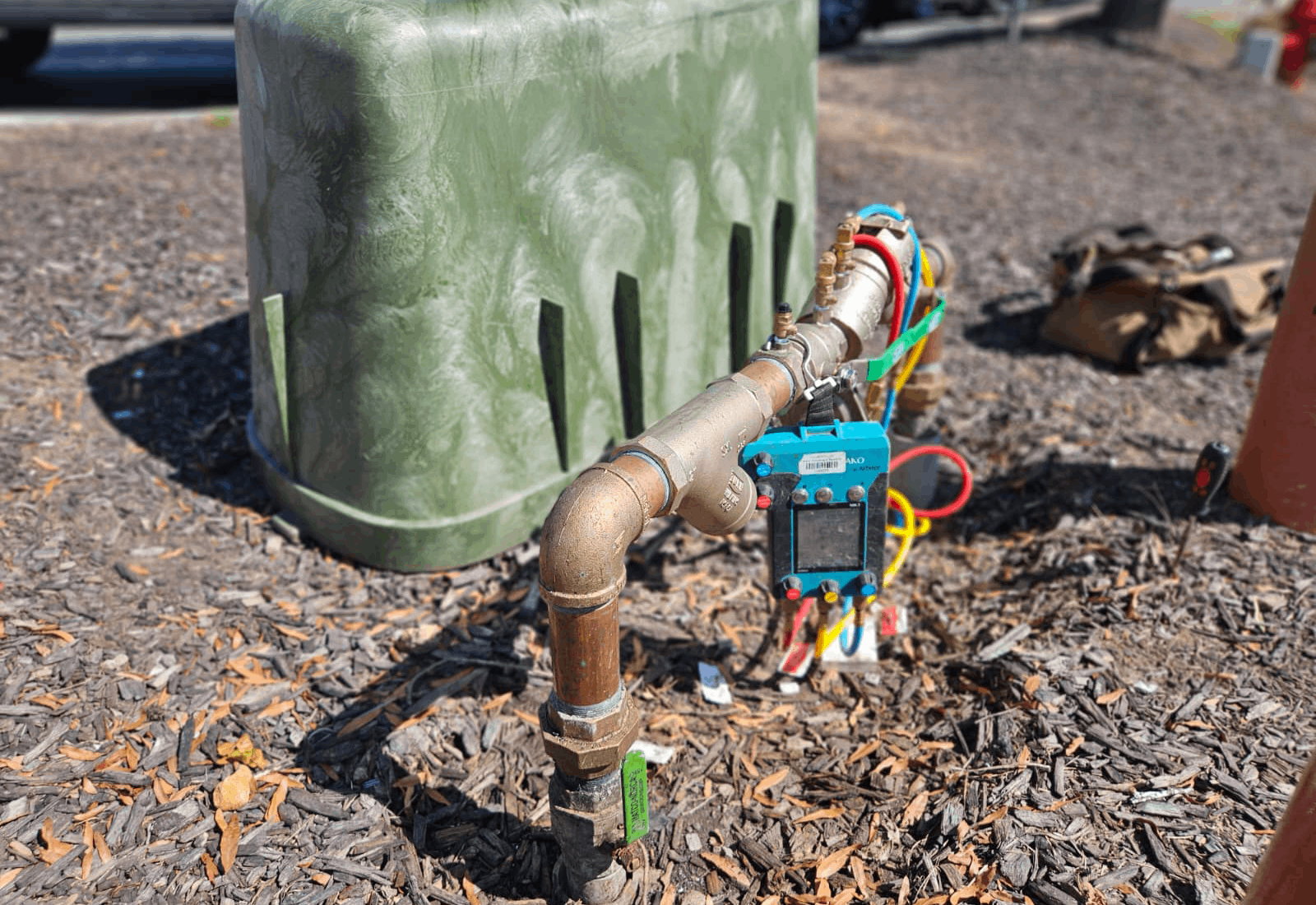
A backflow valve, commonly part of a backflow prevention assembly, helps prevent contaminated or non-potable water from flowing backward into the clean water supply.
Normally, water moves in one direction through a plumbing system. However, changes in water pressure can cause water to reverse direction. This situation can occur because of events such as a water main break, equipment failure, or unusually high demand on the water system.
A properly installed and maintained backflow prevention device helps protect the potable water supply from potential contaminants.
How Much Does Backflow Replacement Cost?
The cost of replacing a backflow valve or complete backflow prevention assembly can vary significantly. A basic replacement may cost a few hundred dollars, while larger commercial systems or complicated installations can cost considerably more.
Several factors influence the final price:
- Type of backflow prevention device
- Size of the valve or assembly
- Brand and model
- Accessibility of the installation location
- Labor requirements
- Existing plumbing condition
- Required permits or inspections
- Testing after installation
- Additional repairs or modifications
Because every property is different, getting an assessment from a qualified backflow professional is the best way to determine the actual replacement cost.
Factors That Affect Backflow Replacement Costs
1. Type of Backflow Prevention Device
Different properties use different types of backflow prevention assemblies. Common examples include reduced pressure principle assemblies, double check valve assemblies, and pressure vacuum breaker assemblies.
Each device has different components, installation requirements, and maintenance needs. A larger or more specialized assembly typically costs more to replace than a smaller residential device.
2. Size of the Assembly
The size of the backflow assembly also affects material and labor costs. Commercial and industrial properties often require larger assemblies because they have higher water demand.
A larger assembly may require more time to remove, install, test, and commission properly.
3. Installation Location
Accessibility can have a major impact on replacement costs.
If the backflow assembly is located in an easily accessible area, replacement may be relatively straightforward. However, a device installed in a cramped mechanical room, underground vault, difficult-to-reach area, or behind other equipment can require additional labor.
Before beginning a replacement, a professional can inspect the installation area and determine what work will be necessary.
4. Condition of Existing Plumbing
Sometimes the backflow device is not the only problem. Corroded pipes, damaged fittings, leaking shut-off valves, or outdated connections may need attention before a new assembly can be installed.
If additional plumbing repairs are required, the total project cost will naturally increase.
5. Testing Requirements
A new backflow prevention assembly should be properly tested after installation when testing is required by the applicable water provider or local requirements.
Testing confirms that the assembly is functioning as intended and that its protective components are operating correctly.
This is why backflow prevention involves more than simply installing a valve. Proper installation, testing, maintenance, and documentation all play important roles.
Can a Backflow Valve Be Repaired Instead of Replaced?
In some situations, repairing a backflow prevention assembly may be possible.
A qualified professional can inspect the device and determine whether individual internal components can be replaced. Depending on the age, condition, availability of replacement parts, and type of assembly, repair may be a practical option.
However, replacement may make more sense when the device is severely corroded, repeatedly failing tests, damaged beyond economical repair, outdated, or difficult to service.
The best option depends on the specific assembly and its condition.
Why Is Backflow Prevention Important?
Backflow prevention protects the quality of the potable water supply.
Without appropriate protection, contaminated water could potentially enter a clean water system when backpressure or backsiphonage occurs. Potential contaminants can come from irrigation systems, chemical applications, industrial processes, pools, boilers, or other sources.
For this reason, certain properties may be required to install and periodically test approved backflow prevention assemblies.
Maintaining the device can help property owners identify problems before they become more serious.
Signs You May Need Backflow Replacement
A backflow prevention assembly may need repair or replacement if you notice:
- Visible corrosion
- Water leaking around the assembly
- Damaged components
- Failed backflow testing
- Repeated testing failures
- Broken or malfunctioning shut-off valves
- Significant deterioration
- An outdated or obsolete assembly
- Changes to the property’s plumbing system
A failed test does not automatically mean the entire device needs replacement. Sometimes a repair or component replacement can restore proper operation.
A professional evaluation can help determine the most cost-effective solution.
How to Reduce Backflow Replacement Costs
Regular testing and maintenance can help extend the service life of a backflow prevention assembly.
Property owners should avoid waiting until a device completely fails before having it inspected. Routine testing can identify performance problems earlier and may allow for a repair rather than a complete replacement.
It is also important to keep the area around the assembly accessible. Easy access can reduce the amount of labor required when testing, servicing, or replacing the device.
If a replacement is necessary, comparing repair and replacement options with a qualified professional can also help you make an informed decision.
Professional Backflow Services in North Carolina
The cost of Backflow Replacement depends on the specific device, property, installation conditions, and work required. While a simple replacement may be relatively affordable, complex commercial installations can require significantly more labor and materials.
Most importantly, backflow prevention should not be treated as a simple valve replacement. The assembly needs to be correctly selected, installed, tested, and maintained to provide effective protection for the water supply.
NC Backflow Tests provides professional backflow services for property owners throughout North Carolina. Whether you need testing, repair, or replacement, working with an experienced provider can help ensure your backflow prevention system receives the attention it needs.
Frequently Asked Questions
How often does a backflow prevention device need to be tested?
Testing frequency depends on the applicable local water-system requirements and the type of assembly. Property owners should follow the schedule provided by their water provider or local authority.
Is backflow replacement expensive?
Replacement costs vary based on the assembly type, size, location, labor, and any additional plumbing work. A professional inspection is the best way to obtain an accurate estimate.
Should I repair or replace my backflow device?
It depends on the condition and age of the assembly. Some devices can be repaired with replacement parts, while severely damaged or outdated assemblies may be better candidates for replacement.
Can I replace a backflow valve myself?
Backflow prevention assemblies require proper installation and testing. Because requirements can vary by location, property owners should use a qualified professional familiar with applicable local requirements.
What happens if a backflow device fails a test?
A failed test indicates that the assembly is not operating correctly according to the testing criteria. Depending on the problem, the device may need repair, component replacement, or complete replacement followed by appropriate testing.
Conclusion
So, how much should it cost to replace a backflow valve? There is no single price that applies to every property. The final cost depends on the type and size of the assembly, installation location, plumbing condition, labor, testing, and other project-specific requirements.
Regular Backflow Prevention maintenance and testing can help identify problems early and potentially prevent costly emergency replacements. If your backflow assembly has failed a test, is leaking, or appears damaged, have it evaluated by a qualified professional to determine whether repair or Backflow Replacement is the right solution.
Recent news
-

Why Aging Backflow Preventers Can Put Your Water System at Risk
07 October 2026
Schedule Your Backflow Test Today!
Ensure your water stays safe and compliant. Book your backflow test with us today—quick, easy, and hassle-free.