
Backflow Testing NC: Why Regular Testing Matters for Homes and Businesses
12 May
Backflow Testing NC: Why Regular Testing Matters for Homes and Businesses
Backflow testing in North Carolina is an essential service that helps protect public drinking water from contamination. Whether you own a residential property, commercial building, restaurant, or industrial facility, ensuring your backflow prevention device is functioning properly is critical for both safety and compliance. Many property owners overlook the importance of annual backflow testing until a failed inspection or water contamination issue occurs. That is why working with experienced professionals like NC Backflow Tests can help you stay compliant and keep your water supply safe year-round.
What Is Backflow Testing?
Backflow occurs when contaminated water flows backward into the clean water supply due to sudden changes in water pressure. This can happen during events like water main breaks, heavy water usage, or firefighting operations. Without a properly functioning backflow prevention device, harmful substances such as chemicals, fertilizers, bacteria, and waste can enter your drinking water system.
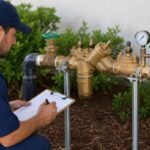
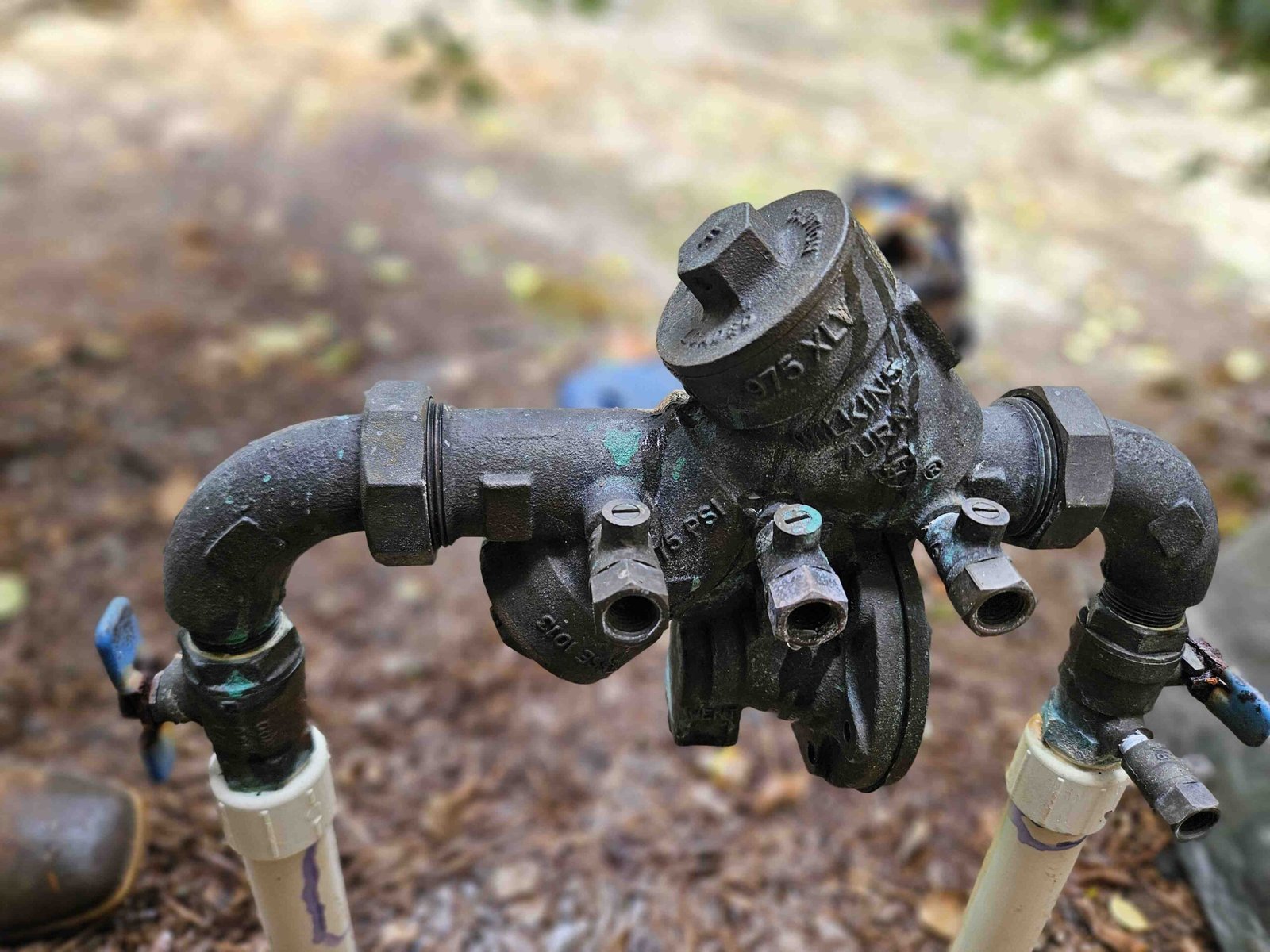
Backflow testing is the process of inspecting and evaluating these prevention devices to ensure they are operating correctly. Certified backflow technicians use specialized equipment to measure water pressure and verify that the device prevents reverse water flow effectively.
Why Backflow Testing Is Important in NC
North Carolina municipalities require annual backflow testing for many residential and commercial properties. These regulations exist to protect public health and maintain safe drinking water standards throughout the state.
Regular backflow testing provides several important benefits:
Protects your drinking water from contamination
Ensures compliance with local water authority requirements
Prevents costly repairs and penalties
Helps identify device issues before they become serious problems
Keeps businesses compliant with safety regulations
Ignoring required backflow testing can lead to fines, water service interruptions, and potential health hazards. That is why scheduling yearly inspections with a trusted company like NC Backflow Tests is a smart investment.
Who Needs Backflow Testing in North Carolina?
Many types of properties in NC require certified backflow testing services. Common examples include:
Residential Properties
Homes with irrigation systems, swimming pools, private wells, or fire sprinkler systems may require backflow prevention devices and annual testing.
Commercial Buildings
Restaurants, apartment complexes, office buildings, retail stores, and medical facilities often need regular backflow inspections to comply with municipal regulations.
Industrial Facilities
Factories and manufacturing plants use complex water systems that can pose contamination risks without proper backflow protection.
Irrigation Systems
Landscape irrigation systems are among the most common reasons for required backflow testing in NC because fertilizers and chemicals can contaminate public water supplies.
How the Backflow Testing Process Works
Professional backflow testing is a straightforward process when performed by certified technicians. Here is what you can expect during a service appointment:
1. Device Inspection
The technician first inspects the backflow prevention assembly for visible signs of wear, leaks, or damage.
2. Pressure Testing
Specialized gauges are connected to the device to test water pressure and verify proper valve operation.
3. Performance Evaluation
The technician ensures the assembly prevents contaminated water from flowing backward into the clean water supply.
4. Documentation and Reporting
After testing is completed, the results are submitted to the local water authority if required.
5. Repairs if Necessary
If the device fails inspection, repairs or replacement recommendations are provided to restore compliance.
Working with experienced professionals ensures the process is completed efficiently and according to North Carolina regulations.
Common Signs Your Backflow Device May Have Problems
Many property owners do not realize their backflow prevention device is malfunctioning until testing is performed. However, some warning signs may indicate problems, including:
Water discoloration
Unusual taste or odor in water
Low water pressure
Leaking around the device
Visible corrosion or rust
Water flowing from relief valves
If you notice any of these issues, contacting a certified backflow testing company immediately is important.
Why Choose Professional Backflow Testing Services?
Backflow testing requires specialized certification and equipment. Attempting to inspect or repair a device without proper training can create safety risks and violate local regulations.
Choosing a trusted provider like NC Backflow Tests offers several advantages:
Certified and experienced technicians
Fast and reliable scheduling
Accurate testing and reporting
Compliance with local NC water regulations
Professional repair recommendations
Excellent customer service
Experienced professionals understand local compliance requirements and help property owners avoid unnecessary complications.
Backflow Testing Requirements in North Carolina
Different cities and counties in NC may have varying requirements for backflow prevention and testing. Most municipalities require annual inspections performed by certified technicians.
Maintaining the device in proper working condition
Submitting inspection reports to local authorities
Failing to comply with these requirements can result in penalties or service interruptions. Staying proactive with routine testing helps avoid these issues.
Preventive Maintenance for Backflow Devices
Routine maintenance helps extend the lifespan of your backflow prevention assembly and reduces the likelihood of failures during inspections.
Helpful maintenance tips include:
Schedule annual testing on time
Keep the device accessible and protected
Monitor for leaks or corrosion
Address repairs promptly
Protect outdoor assemblies during freezing weather
Preventive care helps ensure your system remains compliant and reliable throughout the year.
How Often Should Backflow Testing Be Done?
In most North Carolina municipalities, backflow testing must be completed once every year. However, certain high-risk systems may require more frequent inspections depending on local regulations and property type.
Scheduling annual service with a reliable company ensures you remain compliant and avoid missed deadlines.
Protect Your Water Supply with Reliable Backflow Testing NC Services
Safe drinking water is essential for every home and business. Backflow prevention devices play a critical role in protecting public health, but they only work effectively when properly maintained and tested. Annual inspections help identify issues early, prevent contamination, and keep your property compliant with local regulations.
If you are looking for dependable backflow testing NC services, NC Backflow Tests provides professional testing, inspection, and compliance support for residential and commercial properties across North Carolina. Their experienced technicians help ensure your water system remains safe, efficient, and fully compliant year-round.