
15
April
How to Handle Backflow Repair and Backflow Testing for a Safe Water System
Ensuring clean and safe water is essential for every home and business. One of the most overlooked yet critical components of any plumbing system is backflow prevention. Without proper maintenance and testing, contaminated water can flow backward into your clean water supply, posing serious health risks. In this guide, we’ll explain how to manage backflow repair and backflow testing, why they matter, and how professional services like NC Backflow Tests can help protect your property.
What Is Backflow and Why Does It Matter?
Backflow occurs when water flows in the opposite direction from its intended path. This reversal can happen due to changes in pressure within the plumbing system, often caused by events like pipe bursts, heavy water usage, or system failures.
When backflow happens, contaminants such as chemicals, bacteria, and debris can enter your clean water supply. This makes backflow testing and repair essential for maintaining water safety, especially in residential, commercial, and industrial settings.
How to Identify Backflow Problems
Recognizing the early signs of backflow issues can save you from costly repairs and health hazards. Here are some common warning signs:
- Unusual taste or odor in water
- Discolored or cloudy water
- Slow water flow or pressure drops
- Visible debris in water
- Frequent plumbing issues
If you notice any of these problems, it’s time to consider professional backflow testing to diagnose the issue accurately.
How to Perform Backflow Testing
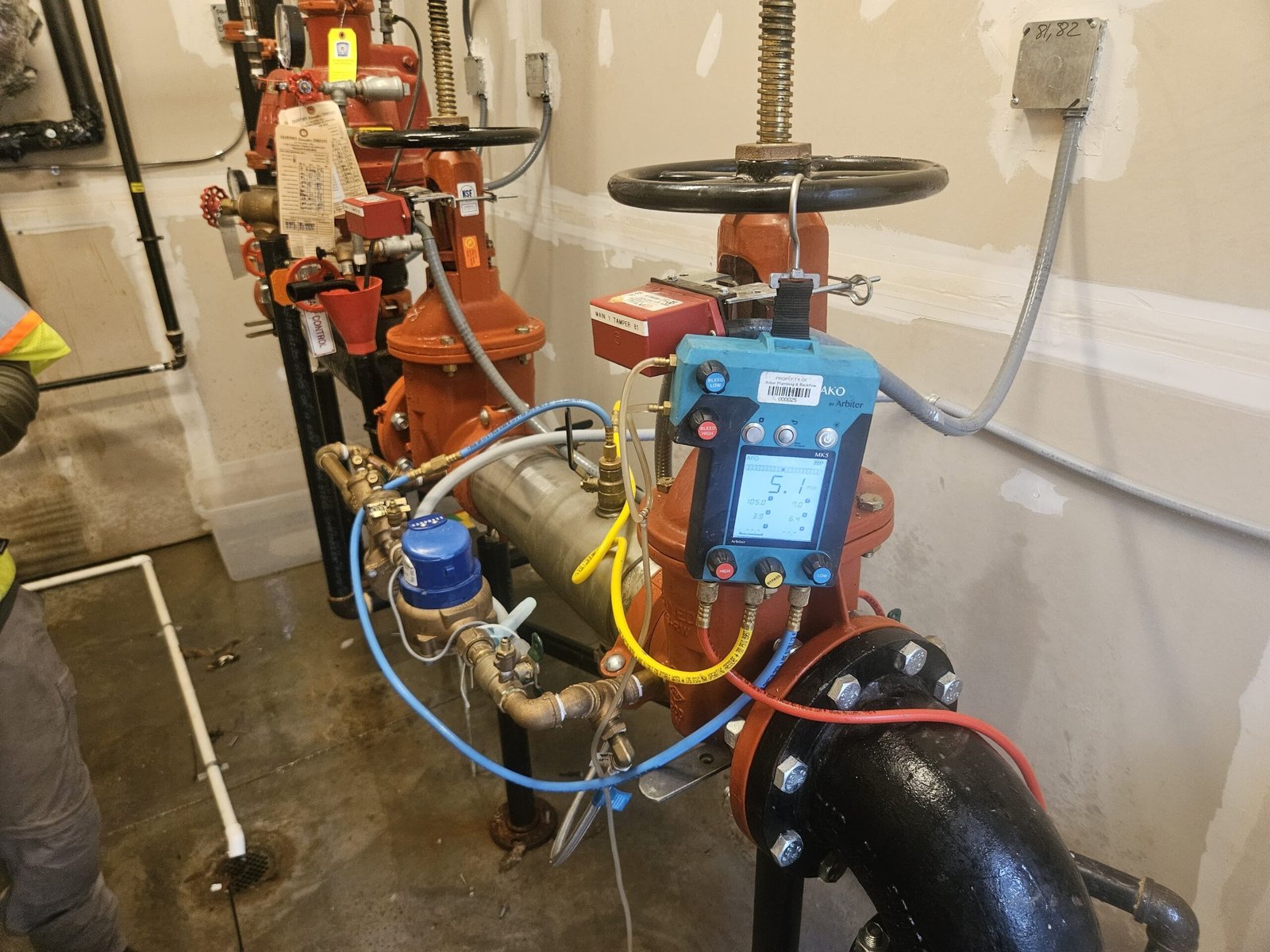
Backflow testing is a specialized process that ensures your backflow prevention device is functioning properly. Certified professionals use advanced tools to measure pressure levels and detect leaks or failures.
Step-by-Step Process:
- Inspection of the Device
The technician checks the backflow preventer for visible damage or wear. - Pressure Testing
Specialized gauges are used to test pressure zones within the device. - Leak Detection
The system is examined for internal leaks or faulty valves. - Performance Evaluation
Results are recorded to determine whether the device meets safety standards. - Reporting and Compliance
A report is generated, which may be required by local authorities.
Regular backflow testing is often mandated annually, especially for commercial properties.
How to Handle Backflow Repair
When testing reveals a problem, immediate backflow repair is necessary to prevent contamination.
Common Backflow Repair Solutions:
- Replacing damaged valves
- Cleaning internal components
- Fixing pressure imbalances
- Installing new backflow prevention devices
Professional technicians ensure that repairs meet local codes and restore your system’s safety and efficiency.
Why Professional Backflow Services Are Important
While some plumbing tasks can be handled DIY, backflow testing and repair require certified expertise. Improper handling can lead to:
- Health risks from contaminated water
- Legal penalties for non-compliance
- Increased repair costs over time
That’s why working with experienced providers like NC Backflow Tests ensures reliable and compliant solutions.
How Often Should Backflow Testing Be Done?
The frequency of backflow testing depends on your property type and local regulations.
General Guidelines:
- Residential properties: Once a year
- Commercial properties: Annually or more frequently
- High-risk facilities: Multiple times per year
Routine testing helps detect issues early and keeps your water system safe.
Benefits of Regular Backflow Testing and Repair
Investing in regular maintenance offers several advantages:
- Protects your drinking water from contamination
- Ensures compliance with local regulations
- Extends the lifespan of plumbing systems
- Prevents costly emergency repairs
- Provides peace of mind for property owners
How to Choose the Right Backflow Service Provider
Selecting the right company is crucial for effective backflow repair and testing.
Look for:
- Certified and licensed technicians
- Experience in residential and commercial systems
- Transparent pricing
- Quick response times
- Positive customer reviews
A trusted provider like NC Backflow Tests meets these criteria and offers dependable service tailored to your needs.
Preventive Tips to Avoid Backflow Issues
Prevention is always better than repair. Here are some simple tips to reduce the risk of backflow:
- Install a quality backflow prevention device
- Schedule regular inspections
- Avoid cross-connections in plumbing
- Maintain proper water pressure levels
- Address plumbing issues promptly
Final Thoughts
Understanding how to manage backflow repair and backflow testing is essential for maintaining a safe and efficient water system. Ignoring these critical processes can lead to contamination, health risks, and costly repairs.
By scheduling regular inspections and working with professionals like NC Backflow Tests, you can ensure your water supply remains clean, compliant, and reliable.
If you haven’t had your system checked recently, now is the perfect time to take action and protect your property with expert backflow services.
Recent news
-

Why Aging Backflow Preventers Can Put Your Water System at Risk
07 October 2026
Schedule Your Backflow Test Today!
Ensure your water stays safe and compliant. Book your backflow test with us today—quick, easy, and hassle-free.