

5
July
When It’s Time to Replace Your Backflow Preventer
A backflow preventer quietly protects your drinking water every day. Most property owners rarely think about it until it fails an annual test or starts causing plumbing issues. When that happens, professional backflow replacement services become essential to keep your water supply safe and your property compliant with local regulations.
At NC Backflow Tests, our team helps homeowners, commercial property owners, and facility managers replace damaged or outdated backflow prevention devices with properly installed, code-compliant systems. Whether your existing assembly has reached the end of its lifespan or has suffered internal damage, replacing it at the right time protects both your property and the public water system.
What Is a Backflow Preventer?
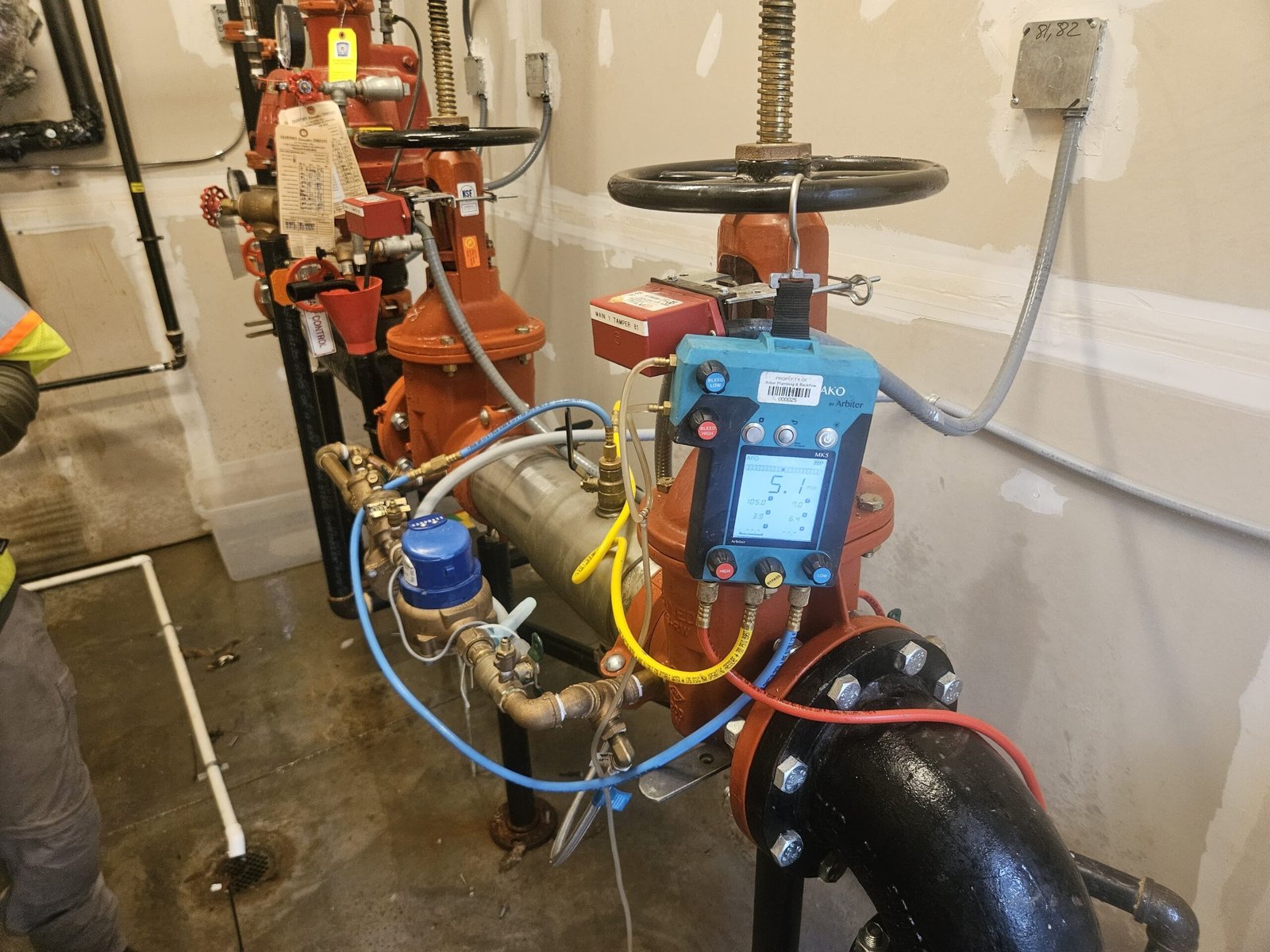
A backflow preventer is a plumbing safety device that stops contaminated water from flowing backward into the public drinking water supply. Backflow can occur when changes in water pressure create reverse flow, allowing pollutants from irrigation systems, fire sprinklers, industrial equipment, or other plumbing systems to enter clean drinking water.
The U.S. Environmental Protection Agency (EPA) explains that cross-connections and backflow can introduce harmful contaminants into potable water systems if they are not properly controlled. Likewise, the American Water Works Association (AWWA) and the University of Southern California Foundation for Cross-Connection Control have established industry standards for backflow prevention and testing.
Simply put, your backflow preventer acts like a one-way gate. Water moves where it should—but contaminants stay out.
Why Backflow Preventers Need Replacement
Like any mechanical device, a backflow preventer experiences wear over time. Internal springs, seals, valves, and check assemblies can deteriorate due to age, mineral buildup, corrosion, freezing temperatures, or continuous use.
Repair may solve minor issues, but replacement often becomes the better long-term solution when:
- The assembly repeatedly fails annual testing.
- Replacement parts are no longer available.
- Internal corrosion affects performance.
- The device has freeze damage.
- The unit has exceeded its practical service life.
- Local plumbing codes require an upgraded model.
Ignoring these warning signs rarely saves money. In many cases, repeated repairs cost more than installing a reliable replacement.
Signs You May Need Backflow Replacement Services
Not every failed test means immediate replacement, but several warning signs deserve attention.
Your Device Fails Multiple Tests
Annual testing identifies whether your backflow preventer still functions correctly. If it continues to fail after repairs, replacement often becomes the most cost-effective option.
Visible Leaks
Water leaking around the valve body or relief valve may indicate damaged internal components or a cracked housing.
Corrosion or Rust
Outdoor installations experience constant exposure to weather. Rust, corrosion, and mineral deposits can reduce reliability over time.
Freezing Damage
North Carolina occasionally experiences freezing temperatures that can crack backflow assemblies if they are not properly protected.
Reduced Water Pressure
Although many plumbing issues can affect water pressure, a failing backflow preventer may restrict water flow through the system.
Why Professional Backflow Replacement Matters
Replacing a backflow preventer involves more than swapping one valve for another.
Professional backflow replacement specialists evaluate:
- Hazard level of the property
- Local plumbing requirements
- Device size
- Water pressure
- Installation location
- Municipal regulations
Installing the wrong assembly can create compliance issues and increase future maintenance costs.
Professional installation also ensures the replacement device is tested before being placed into service.
The Backflow Replacement Process
Property owners often expect a lengthy plumbing project. In reality, most replacements follow a straightforward process.
1. System Inspection
A technician examines the existing assembly and confirms why replacement is necessary.
2. Device Selection
The correct backflow preventer is selected based on plumbing code requirements and system design.
3. Safe Removal
The old assembly is disconnected while protecting the surrounding plumbing system.
4. Professional Installation
The new backflow preventer is installed according to manufacturer specifications and local code requirements.
5. Performance Testing
After installation, certified testing confirms the new device operates correctly before returning the water system to normal service.
This final step provides confidence that the assembly protects your drinking water as intended.
Repair or Replacement: Which Makes More Sense?
Many customers ask the same question:
“Can this be repaired instead?”
The answer depends on the condition of the device.
Repairs may be appropriate if:
- Internal components are still available.
- The body remains in good condition.
- Damage is limited.
- The device has not experienced repeated failures.
Replacement usually makes more sense when:
- Repairs become frequent.
- Parts are obsolete.
- Corrosion has affected the body.
- Freeze damage has occurred.
- Testing continues to fail after repairs.
Think of it like replacing an aging water heater. At some point, investing in a dependable new unit becomes smarter than fixing the old one every year.
How Often Should a Backflow Preventer Be Replaced?
There is no universal replacement schedule.
Service life depends on factors including:
- Water quality
- Usage
- Installation environment
- Maintenance history
- Weather exposure
Some devices remain reliable for many years with proper maintenance, while others require earlier replacement due to environmental conditions or heavy use.
Regular annual testing provides the best indication of your assembly’s condition.
Choosing Experienced Backflow Replacement Specialists
Choosing qualified professionals helps ensure the replacement complies with applicable plumbing regulations and protects your water supply.
Look for a company that offers:
- Certified backflow testing
- Experience with residential and commercial systems
- Knowledge of local plumbing requirements
- Quality replacement devices
- Clear communication throughout the process
- Ongoing maintenance and annual testing services
A knowledgeable contractor can also identify underlying issues that may have contributed to the device’s failure.
Why Property Owners Trust NC Backflow Tests
At NC Backflow Tests, we focus exclusively on backflow prevention services throughout North Carolina.
Our team provides:
- Professional backflow replacement services
- Certified backflow testing
- Device inspections
- Backflow repairs when appropriate
- Annual testing reminders
- Residential and commercial service
We understand local requirements and work to make the replacement process simple, efficient, and compliant.
Our goal is straightforward: protect your drinking water while helping you avoid unnecessary stress.
Tips to Extend the Life of Your New Backflow Preventer
Although every mechanical device eventually wears out, proper maintenance helps maximize service life.
Follow these simple practices:
- Schedule annual certified testing.
- Protect outdoor devices from freezing temperatures.
- Keep the area around the assembly clean and accessible.
- Address leaks promptly.
- Avoid delaying recommended maintenance.
Small maintenance steps today can help prevent larger plumbing problems later.
Frequently Asked Questions
Does every failed backflow test require replacement?
No. Some devices only need repairs or replacement of internal components. A certified technician can determine the most appropriate solution after inspection.
How long does a backflow replacement take?
Most standard replacements can be completed within a few hours, although project time varies depending on the plumbing system and installation conditions.
Is testing required after replacement?
Yes. The newly installed assembly should be tested to verify proper operation before being placed into service, following local requirements.
Can I replace a backflow preventer myself?
Backflow preventers protect public drinking water supplies and are typically regulated by local plumbing codes. Professional installation and certified testing help ensure the device operates correctly and meets applicable requirements.
Final Thoughts
A properly functioning backflow preventer is one of the most important safety devices in any plumbing system. When repairs are no longer practical, professional backflow replacement services help restore reliable protection for your home or business.
Working with experienced backflow replacement specialists ensures the correct device is installed, tested, and ready to safeguard your drinking water for years to come. If your current assembly has failed testing, shows signs of wear, or has reached the end of its service life, replacing it promptly is a smart investment in both safety and compliance.
Recent news
-

Why Aging Backflow Preventers Can Put Your Water System at Risk
07 October 2026
Schedule Your Backflow Test Today!
Ensure your water stays safe and compliant. Book your backflow test with us today—quick, easy, and hassle-free.