

18
September
Backflow Preventer Problems? When to Call a Repair Specialist
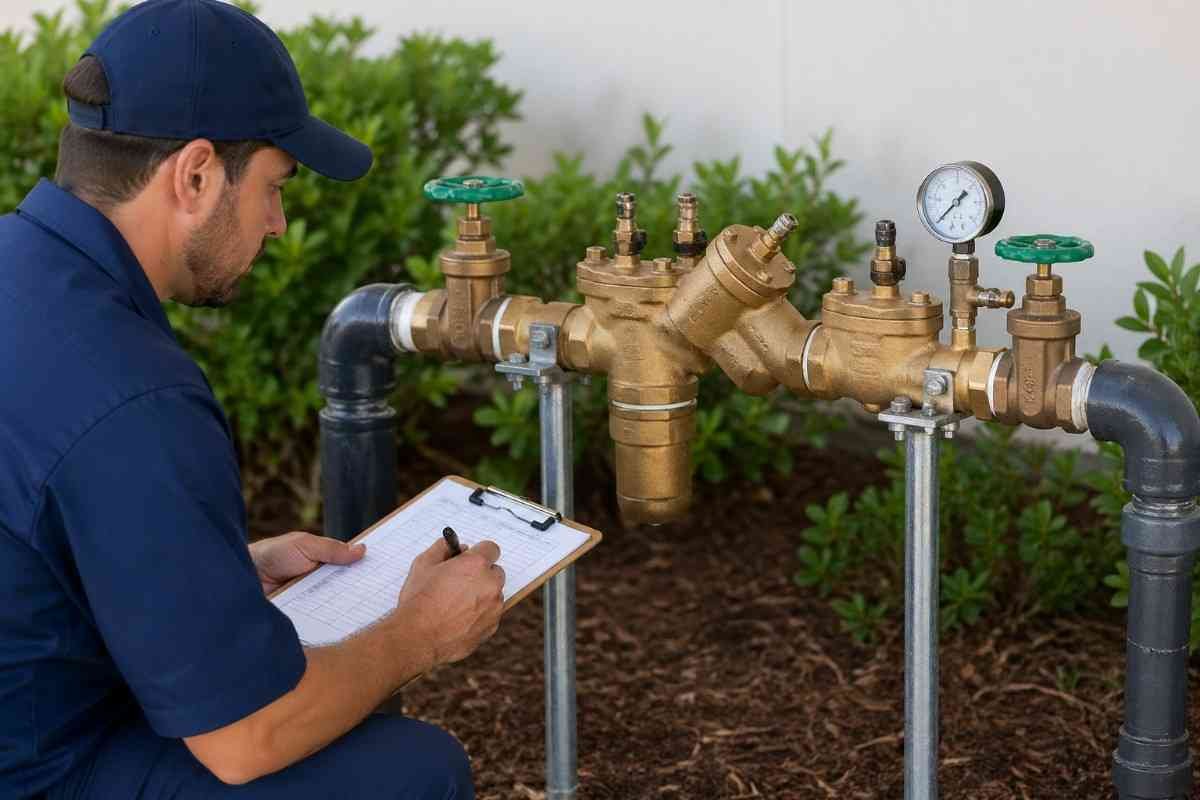
A backflow preventer plays an important role in protecting your drinking water from unwanted contamination. Like other plumbing components, it can develop problems over time because of wear, corrosion, pressure changes, freezing temperatures, or internal damage. Knowing when to call backflow repair specialists can help prevent a small issue from becoming a larger plumbing concern.
Backflow preventers are designed to stop contaminated water from flowing backward into a clean water supply. When the device is not working correctly, professional inspection and repair may be needed. In some cases, repair may not be enough, and backflow replacement specialists may recommend installing a new device.
What Is a Backflow Preventer?
A backflow preventer is a plumbing device that helps keep water moving in the correct direction. It is commonly installed where a clean water supply could potentially come into contact with water from another source.
Backflow can occur when changes in water pressure cause water to move in the opposite direction. Two common conditions are backpressure and backsiphonage. Either situation can create a risk if contaminated water enters the potable water supply.
Because backflow prevention devices are important to water safety, they should be inspected and maintained properly. If a problem is noticed, contacting qualified professionals can help determine whether the device needs repair, testing, or replacement.
Common Signs of Backflow Preventer Problems
Some backflow preventer problems may be easy to notice, while others require professional inspection. Watch for these common warning signs.
1. Water Leaking From the Device
Visible water around a backflow preventer can indicate a damaged valve, worn seal, loose connection, or another internal problem. A small leak should not simply be ignored because it may become worse over time.
A professional can inspect the device and identify where the water is coming from. Depending on the condition of the components, a repair may be possible.
2. Unusual Noises
Hissing, vibrating, rattling, or other unusual sounds may indicate that the internal components are not operating correctly. Changes in pressure can also contribute to noise.
If the sound continues or becomes more noticeable, it is a good idea to have the system inspected by backflow repair specialists.
3. Failed Backflow Testing
Backflow prevention assemblies are often subject to testing requirements, depending on local regulations and the type of system. A failed test can indicate that the device is not maintaining the required pressure or that one or more internal components are not functioning properly.
A failed test does not automatically mean the entire device must be replaced. A qualified specialist can determine whether the problem can be corrected through repair.
4. Corrosion or Visible Damage
Backflow preventers can be exposed to moisture, outdoor conditions, chemicals, and temperature changes. Over time, these conditions may contribute to corrosion.
Visible rust, cracks, damaged fittings, or deteriorating components should be evaluated by a professional. Continuing to operate a severely damaged device could lead to additional problems.
5. Reduced Water Flow or Pressure Issues
A malfunctioning backflow preventer can sometimes be associated with unusual pressure or flow problems. However, other plumbing components can also cause similar symptoms.
Rather than assuming the backflow preventer is responsible, professional troubleshooting can help identify the actual cause.
When Should You Call Backflow Repair Specialists?
Professional assistance should be considered whenever you notice leakage, unusual noises, visible damage, repeated testing failures, or other changes in how the device operates.
Attempting to disassemble or repair a backflow prevention assembly without the appropriate knowledge can create additional problems. The device contains internal components that need to operate correctly to prevent unwanted water flow.
Backflow repair specialists can inspect the assembly, identify worn or damaged parts, and determine whether repair is appropriate. They can also help ensure the device is functioning correctly after the repair.
Prompt service can be especially important when the backflow preventer is connected to a commercial property, irrigation system, fire protection system, or another application where water contamination could have serious consequences.
Backflow Repair or Replacement: Which One Do You Need?
One of the most common questions homeowners and property managers have is whether a damaged backflow preventer should be repaired or replaced.
Repair may be appropriate when the device is generally in good condition and the problem involves replaceable internal components. For example, certain worn seals, springs, or other parts may be replaceable depending on the assembly.
Replacement may be considered when the device has extensive corrosion, repeated failures, significant physical damage, or is no longer practical to repair.
Backflow replacement specialists can evaluate the existing assembly and determine whether installing a new device is more appropriate. Replacement can also be considered when an older assembly no longer meets the requirements applicable to the property.
The right choice depends on the type, age, condition, and installation of the backflow preventer. A professional evaluation can help avoid unnecessary replacement while ensuring the system continues to provide appropriate protection.
Why Regular Backflow Maintenance Matters
Waiting until a backflow preventer completely fails can create unnecessary problems. Regular inspection and maintenance can help identify issues before they become more serious.
Maintenance may include checking valves and connections, looking for leaks or corrosion, evaluating system performance, and addressing components that show signs of wear.
Testing requirements vary based on location, property type, and the type of backflow prevention assembly installed. Property owners should follow applicable local requirements and work with qualified professionals when testing or service is needed.
Regular attention can also provide greater confidence that the backflow prevention system is working as intended.
How Professionals Diagnose Backflow Problems
A professional inspection usually begins with an evaluation of the backflow prevention assembly and surrounding plumbing. The specialist may look for leaks, corrosion, damaged connections, pressure problems, and other visible concerns.
Testing equipment may then be used to evaluate the performance of the assembly. The results can help determine whether the problem is related to a specific component or whether the entire device may need replacement.
This approach is useful because symptoms alone do not always identify the actual problem. A water leak, for example, could be caused by a damaged component, a connection issue, or another plumbing condition.
Choose Professional Help for Backflow Problems
A backflow preventer is an important part of protecting a potable water system. Problems such as leaks, corrosion, unusual noises, pressure changes, and failed tests should receive professional attention.
Calling backflow repair specialists when a problem first appears can help identify repairable issues before they become more complicated. When an assembly is severely damaged, outdated, or no longer practical to repair, backflow replacement specialists can help determine whether a new installation is needed.
Whether you need repair, testing, maintenance, or replacement, professional service can help keep your backflow prevention system operating properly. If you have noticed a problem with your backflow preventer, scheduling an inspection can be a practical first step toward identifying the right solution.
Recent news
-
5 Warning Signs You May Need Backflow Replacement Services
22 September 2026
-
Backflow Preventer Problems? When to Call a Repair Specialist
18 September 2026
-
When Should You Schedule Backflow Testing for Your Property?
14 September 2026
Schedule Your Backflow Test Today!
Ensure your water stays safe and compliant. Book your backflow test with us today—quick, easy, and hassle-free.