

13
July
Why Backflow Testing Matters for North Carolina Properties
Clean drinking water is something most people never think about—until a backflow problem appears. When contaminated water flows backward into a clean water supply, it can create serious health and safety concerns for homes, businesses, restaurants, medical facilities, and industrial properties.
That is why backflow restoration services NC and routine backflow testing play such an important role in protecting public water systems across North Carolina.
In this guide, we will explain what backflow is, why testing is required, how restoration services work, and how property owners can reduce the risk of costly water issues.
What Is Backflow?
Backflow occurs when water flows in the opposite direction from its intended path. Instead of moving from the municipal supply into your plumbing system, water reverses course and may carry contaminants into the public water line.
Common causes include:
-
A sudden drop in water pressure
-
Water main breaks
-
Firefighting activities
-
Faulty plumbing connections
-
Improperly maintained backflow prevention devices
Imagine a straw in a drink. When pressure changes, liquid can move in an unexpected direction. Backflow works in a similar way—but with potentially harmful substances instead of a milkshake.
Why Backflow Testing Is Important
Backflow prevention assemblies are mechanical devices, and like any mechanical equipment, they can wear out over time. Springs weaken, seals deteriorate, and debris can interfere with proper operation.
Routine backflow testing helps verify that the device still prevents contaminated water from entering the potable water supply.
Why testing matters
Public health
Protects drinking water quality
Helps meet local utility requirements
Reduces the risk of contamination incidents
Identifies failing components early
May help avoid expensive emergency repairs
Finding a problem during a scheduled test is usually much cheaper than dealing with a contamination event or a major plumbing repair later.
North Carolina Requirements for Backflow Testing
Many water utilities in North Carolina require annual testing of backflow prevention assemblies installed on commercial properties and certain residential systems, such as irrigation setups.
Requirements vary by municipality, but utilities generally follow guidelines established under state drinking water regulations and cross-connection control programs.
Property owners should always check with their local water provider to confirm testing schedules and reporting requirements.
Signs You May Need Backflow Restoration Services in NC
Testing is preventive, but some situations require immediate attention.
Call a qualified professional if you notice:
-
Water discoloration
-
Unusual taste or odor in water
-
Visible leaks around the backflow device
-
Low or fluctuating water pressure
-
A failed backflow test
-
Corrosion or physical damage to the assembly
A failed test does not always mean the entire device needs replacement. Often, technicians can repair or rebuild specific components and restore proper operation.
What Happens During Backflow Restoration?
Professional backflow restoration services NC typically follow a structured process.
Inspection and Diagnosis
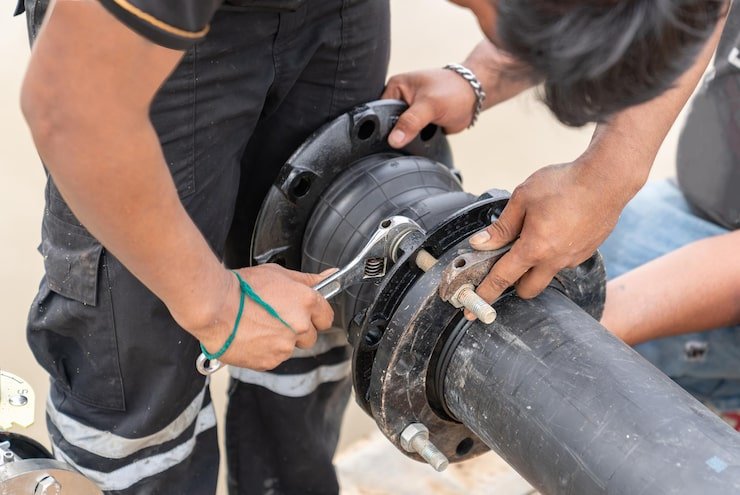
The technician examines the assembly, checks for leaks, corrosion, debris, and verifies which components have failed.
Testing
Certified testing equipment measures pressure differentials and valve performance.
Repair or Rebuild
Common repairs include replacing check valves, seals, springs, or relief valve components.
Retesting
After repairs, the technician performs another backflow testing procedure to confirm the assembly meets required standards.
Documentation
Many utilities require certified test reports, which the service provider submits or provides to the property owne
Residential vs. Commercial Backflow Systems
|
Residential |
Commercial |
|---|---|
|
Irrigation systems |
Restaurants |
|
Fire sprinkler connections |
Medical facilities |
|
Private wells |
Apartment complexes |
|
Swimming pool systems |
Industrial facilities |
|
Booster pump setups |
Manufacturing plants |
Commercial properties often have larger assemblies and stricter compliance requirements, so regular testing and maintenance become even more critical.
How Often Should Backflow Testing Be Done?
For most regulated systems, annual backflow testing is the standard requirement.
However, more frequent inspections may be appropriate if:
-
The property has a history of failures
-
The system operates in a high-risk environment
-
The assembly is older
-
Local regulations require additional monitoring
Can You Prevent Backflow Problems?
Yes. Preventive maintenance is usually less expensive than emergency restoration.
Best practices
Prevention
-
Schedule annual testing
-
Repair leaks promptly
-
Protect outdoor assemblies from physical damage
-
Keep vegetation and debris away from the device
-
Replace aging components before they fail
-
Work with certified backflow professionals
A simple maintenance visit can often prevent a much larger repair bill later.
A Quick Reality Check
Many property owners remember to service their HVAC system, clean gutters, and change smoke detector batteries. The backflow assembly, meanwhile, sits quietly outside doing an important job with almost no attention.
Think of it as the security guard for your water supply. You may not notice it every day, but you definitely want it working when pressure conditions change.
Why Choose a Certified Backflow Specialist?
Backflow assemblies protect public health, so testing and repairs should be performed by technicians who understand local regulations, device specifications, and proper testing procedures.
A qualified specialist can:
-
Identify the correct assembly type
-
Perform certified testing
-
Recommend repair or replacement when necessary
-
Provide required documentation
-
Help maintain compliance with utility requirements
Final Thoughts
Backflow issues are not just plumbing problems—they are water safety problems. Routine backflow testing helps ensure that prevention devices continue protecting drinking water, while professional backflow restoration services NC can quickly address failures before they become larger concerns.
For property owners across North Carolina, the smartest approach is simple: test regularly, repair problems promptly, and keep your backflow prevention system in proper working order. Clean water is one of the most important utilities any property has, and a well-maintained backflow assembly helps keep it that way.
Recent news
-

Why Aging Backflow Preventers Can Put Your Water System at Risk
07 October 2026
Schedule Your Backflow Test Today!
Ensure your water stays safe and compliant. Book your backflow test with us today—quick, easy, and hassle-free.