

23
November
Backflow Restoration Services: Restore Your Water System’s Safety and Reliability
A properly functioning backflow prevention system plays an important role in protecting your drinking water. However, like other plumbing components, backflow prevention assemblies can develop problems over time. Worn internal parts, corrosion, leaks, freezing temperatures, and physical damage can affect their performance.
When these problems occur, professional backflow restoration services can help bring the equipment back to proper working condition.
At NC Backflow, we provide backflow solutions for residential, commercial, and industrial properties throughout the Triangle area of North Carolina. Our approach focuses on identifying problems, explaining available solutions, and helping property owners maintain reliable backflow protection.
But what exactly does backflow restoration involve, and when should you consider it? Let’s take a closer look.
What Are Backflow Restoration Services?
Backflow restoration involves repairing, rebuilding, or rehabilitating an existing backflow prevention assembly to restore its proper operation.
A backflow preventer helps stop contaminated water from entering a clean water supply. It protects against two main conditions: backpressure and backsiphonage.
Over time, different components inside the assembly can wear out or become damaged. A professional inspection helps identify the cause and determine whether restoration, repair, or complete replacement makes the most sense.
The goal isn’t simply to make the equipment look new. It is to restore its ability to perform its intended protective function.
After all, a fresh coat of paint cannot fix a faulty valve!
Why Is Backflow Restoration Important?
Backflow problems deserve attention because they can affect water quality and plumbing system performance.
When a backflow prevention assembly stops working correctly, contaminants from connected plumbing systems may enter the potable water supply.
Professional restoration helps address equipment problems before they create more serious complications.
Here are a few important reasons to maintain your backflow prevention system:
- Water protection: A properly functioning assembly helps prevent contaminated water from entering the drinking water supply.
- Equipment reliability: Addressing worn or damaged components helps restore normal operation.
- Regulatory compliance: Proper testing and maintenance help property owners meet applicable local requirements.
- Reduced replacement costs: When the assembly remains suitable for use, restoring it may avoid an unnecessary complete replacement.
- Early problem detection: Professional assessments can identify developing issues before they become more expensive to address.
Remember, backflow prevention is not something property owners should ignore until a problem becomes obvious.
Common Problems That Require Backflow Restoration
Backflow assemblies contain mechanical components that experience regular wear. Environmental conditions and installation-related issues can also affect their performance.
Some common problems include:
1. Internal Valve Failure
Check valves play an important role in controlling water movement through a backflow assembly. If a valve becomes worn, damaged, or obstructed, the device may fail its operational test.
2. Corrosion and Rust
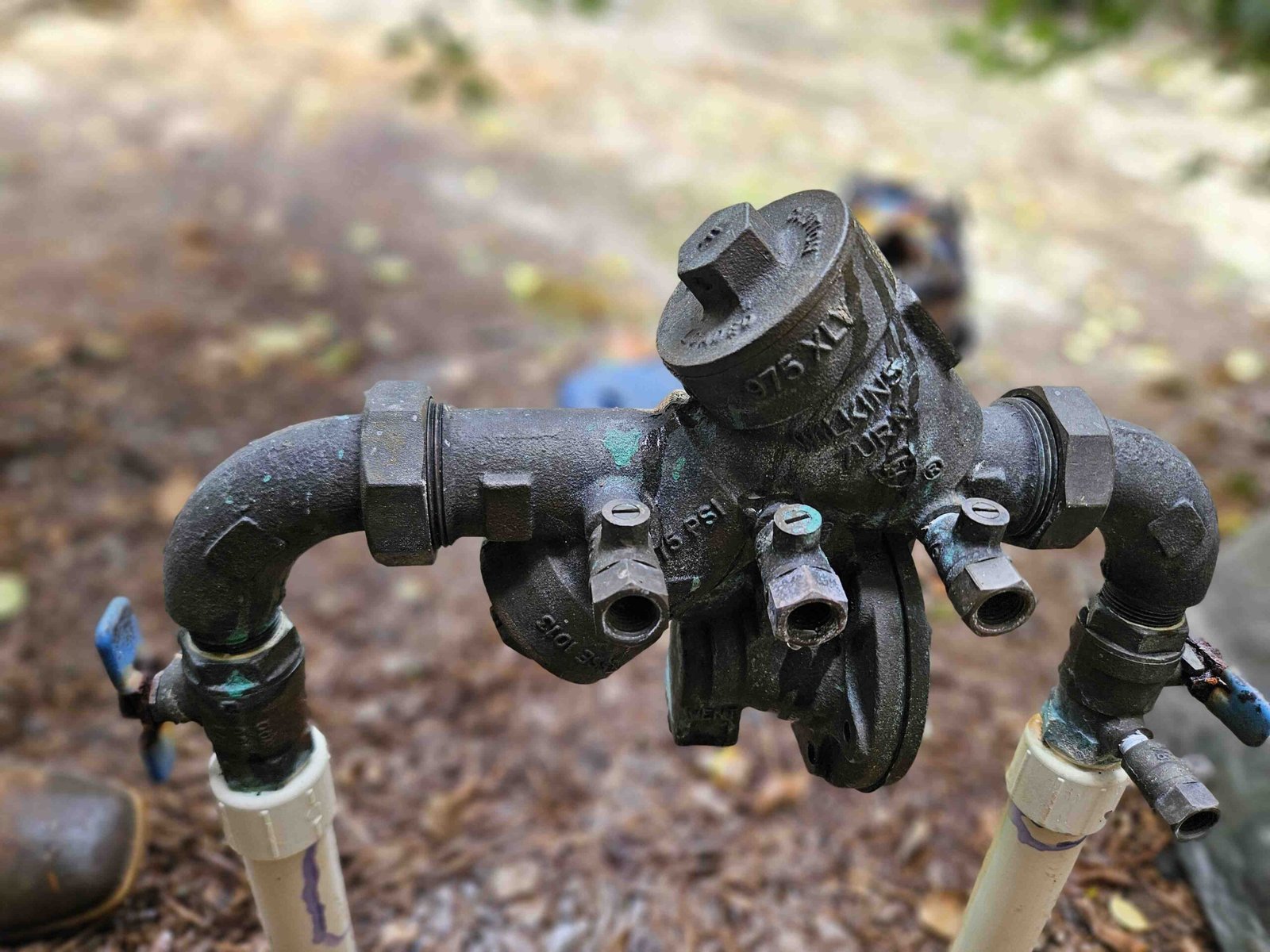
Outdoor installations often face moisture, temperature changes, and other environmental conditions. Over time, corrosion can affect metal components, fittings, and connections.
3. Damaged Seals and O-Rings
Rubber seals and O-rings help maintain proper connections within an assembly. Worn or damaged seals can cause leaks and interfere with normal operation.
4. Broken Test Ports
Test ports allow technicians to connect testing equipment and evaluate the assembly’s performance. Damaged ports can make proper testing difficult.
5. Freeze-Related Damage
Cold weather can cause water inside exposed plumbing components to freeze and expand. This may crack housings, damage fittings, or affect internal components.
Identifying the actual cause is important because different problems require different solutions.
What Does the Backflow Restoration Process Include?
Professional restoration should begin with an assessment rather than an assumption that every assembly needs the same repair.
At NC Backflow, our restoration approach focuses on evaluating the equipment and identifying the appropriate solution.
The process may include the following steps:
1. Initial Inspection
A technician examines the backflow assembly for visible damage, leaks, corrosion, and other signs of deterioration.
2. Problem Identification
The technician evaluates the equipment to identify faulty components and determine why the assembly is not performing correctly.
3. Component Repair or Replacement
Depending on the assembly’s condition, restoration may involve replacing damaged check valves, springs, seats, seals, O-rings, or other approved components.
4. Assembly Rebuilding
Some devices require more extensive work. A rebuild may involve disassembling the unit, cleaning internal components, and replacing worn parts according to manufacturer specifications.
5. Post-Restoration Testing
Testing helps verify whether the restored assembly performs correctly. Any required testing and reporting should follow the applicable water provider’s requirements.
This process helps property owners understand what went wrong and what steps can bring their equipment back into proper working condition.
Backflow Restoration for Residential and Commercial Properties
Different properties have different backflow prevention requirements. The right restoration approach depends on the assembly, its application, and the property’s water system.
Residential Backflow Restoration
Homeowners may have backflow prevention assemblies connected to irrigation systems, sprinkler lines, or other plumbing applications.
A leaking or damaged assembly can interfere with normal system operation. Professional assessment helps determine whether the equipment needs a component repair, restoration, or replacement.
Commercial and Industrial Backflow Restoration
Commercial and industrial properties may have more complex water distribution systems and multiple backflow prevention assemblies.
Restaurants, offices, schools, warehouses, and manufacturing facilities need dependable water protection.
Professional restoration can help address equipment problems while supporting ongoing maintenance and applicable compliance requirements.
When Should You Schedule Backflow Restoration?
Some backflow problems are easy to notice, while others only become apparent during professional testing.
Watch for these warning signs:
- Water leaking around the backflow assembly.
- Visible rust or corrosion.
- Cracked housings or damaged fittings.
- A failed backflow performance test.
- Unusual water discharge from the device.
- Damage following freezing temperatures.
- Repeated problems with the assembly.
A drop in water pressure can have several possible causes, so it should not automatically be blamed on the backflow preventer.
If you notice any of these issues, arrange a professional inspection to identify the cause.
Backflow Restoration vs. Backflow Replacement: What’s the Difference?
Restoration and replacement solve different equipment problems.
Restoration focuses on repairing or rebuilding an existing assembly when its condition and design make that work appropriate.
Replacement involves removing the existing device and installing another approved assembly.
A technician should consider the equipment’s overall condition, the availability of suitable replacement components, manufacturer requirements, and applicable local regulations before recommending either option.
The cheapest immediate solution isn’t always the best long-term choice. The objective should be dependable water protection, not simply getting the equipment to stop leaking.
Why Choose NC Backflow for Backflow Restoration Services?
Choosing the right service provider matters when your property’s water protection system needs attention.
NC Backflow focuses on backflow testing, repair, restoration, replacement, and related services for residential, commercial, and industrial customers.
Our approach emphasizes:
- Professional backflow system assessments.
- Clear explanations of identified problems.
- Appropriate repair and restoration recommendations.
- Testing to verify equipment performance.
- Support with applicable compliance requirements.
- Solutions based on the property’s actual needs.
We believe property owners should understand the work being performed rather than simply receive a bill and a technical explanation they cannot follow.
Frequently Asked Questions About Backflow Restoration
1. What is the purpose of backflow restoration?
Backflow restoration helps repair or rebuild a damaged backflow prevention assembly so it can perform its intended function and protect the potable water supply.
2. Can a failed backflow preventer be restored?
Yes, some failed assemblies can be restored by repairing or replacing damaged internal components. However, severely damaged or unsuitable equipment may require complete replacement.
3. How do I know if my backflow preventer needs restoration?
Leaks, corrosion, damaged fittings, visible deterioration, and failed operational tests are common reasons to arrange a professional assessment.
4. Does a restored backflow assembly need another test?
Yes. Post-restoration testing helps verify proper operation. Follow the testing and reporting requirements established by your local water provider.
5. How often should a backflow preventer be tested?
Testing frequency depends on the assembly’s application and local water authority requirements. For example, North Carolina law limits local-government water systems from requiring testing more frequently than once every three years for residential irrigation backflow preventers that do not apply or dispose of chemical feeds. Other assemblies may have different requirements.
Schedule Professional Backflow Restoration Services Today
A damaged backflow prevention assembly should never become an overlooked plumbing problem. Timely attention helps protect your water system, address equipment failures, and maintain proper operation.
If your backflow preventer has failed a test, developed a leak, or suffered physical damage, NC Backflow can help assess the situation and recommend an appropriate solution.
Contact NC Backflow to discuss your backflow restoration services needs and schedule a professional assessment.
Recent news
-

Professional Fire Hydrant Inspection, Testing & Maintenance
26 November 2026

Schedule Your Backflow Test Today!
Ensure your water stays safe and compliant. Book your backflow test with us today—quick, easy, and hassle-free.