

10
November
Repair or Replace? Understanding Your Backflow Prevention System
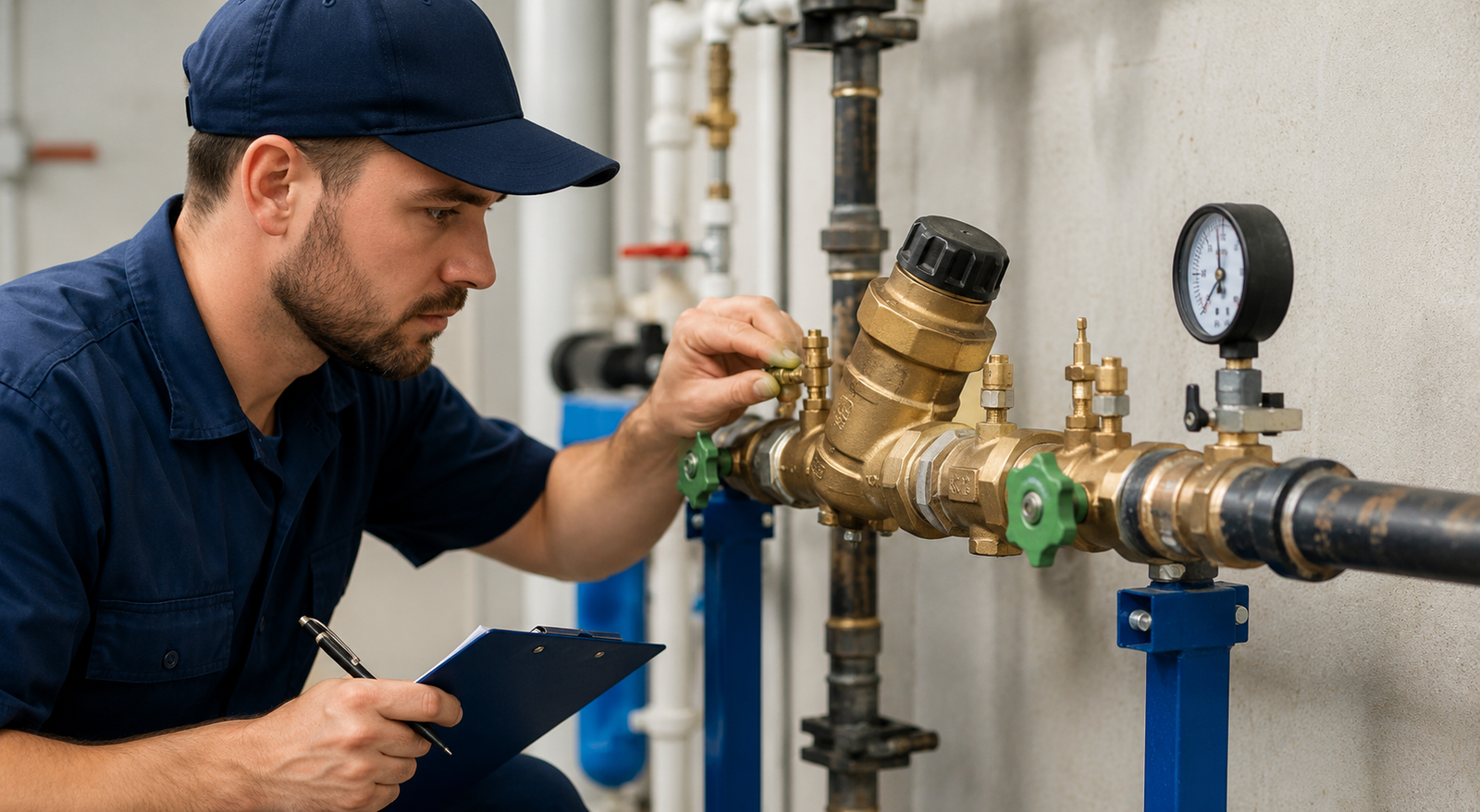
A backflow prevention system plays an important role in protecting your property’s drinking water from contamination. Whether you own a home, manage a commercial building, or operate an industrial facility, a properly functioning backflow preventer helps keep unwanted substances from entering the clean water supply. However, like other plumbing equipment, backflow prevention devices can develop problems over time.
When a device stops working correctly, property owners often face an important question: should it be repaired or replaced? Understanding the causes of backflow problems, recognizing warning signs, and knowing when to contact professionals can help you make the right decision. Professional backflow restoration services can help restore a malfunctioning system and maintain the protection of your water supply.
What Is a Backflow Prevention System?
A backflow prevention system is designed to stop water from flowing in the wrong direction through a plumbing system. Under normal conditions, water moves from the public water supply toward your property. However, changes in water pressure can sometimes cause water to reverse direction.
This situation is known as backflow. It can allow contaminants, chemicals, fertilizers, bacteria, and other unwanted substances to enter the potable water supply.
Backflow prevention devices help reduce this risk by allowing water to move in the intended direction while preventing reverse flow. Common types include:
- Reduced Pressure Zone (RPZ) assemblies: These devices use multiple internal components and a relief valve to protect against backpressure and backsiphonage.
- Double Check Valve Assemblies (DCVA): These devices use two independently operating check valves to help prevent contaminated water from flowing backward.
- Pressure Vacuum Breakers (PVB): These devices help protect against backsiphonage and are commonly used in irrigation systems.
- Atmospheric Vacuum Breakers (AVB): These are simpler devices used in certain plumbing applications to prevent backsiphonage.
The appropriate device depends on the property’s plumbing arrangement and the potential contamination risk.
Common Reasons Backflow Prevention Systems Fail
Backflow prevention devices contain mechanical components that can wear out or become damaged. Several factors may affect their performance over time.
1. Normal Wear and Tear
Internal components such as springs, seals, rubber parts, and check valves can deteriorate through regular use. As these components age, they may lose their ability to create a proper seal.
Regular inspections can help identify worn parts before they cause more serious problems.
2. Debris and Sediment Buildup
Dirt, sand, rust, and other particles can enter a plumbing system and collect inside the backflow assembly. This buildup may prevent valves from closing properly and affect the device’s performance.
Cleaning and replacing damaged internal components may be necessary to restore normal operation.
3. Pressure Changes
Unexpected changes in water pressure can place additional stress on backflow prevention equipment. Water hammer, excessive pressure, and sudden pressure fluctuations may affect internal components.
If pressure-related problems continue, the underlying plumbing issue should also be investigated.
4. Freezing Temperatures
Cold weather can damage exposed backflow prevention assemblies. When water freezes inside the device, it expands and may crack the housing or damage internal components.
Proper insulation and winterization can help reduce the risk of freezing-related damage.
5. Improper Installation or Maintenance
Incorrect installation, unsuitable equipment, or neglected maintenance can affect how effectively a backflow preventer operates.
Professional installation and routine testing are important for identifying problems and ensuring the device is suitable for the property’s requirements.
Signs Your Backflow Prevention System Needs Attention
Recognizing early warning signs can help property owners address problems before they become more expensive.
Look for the following issues:
- Water leaking from the assembly: Persistent leakage may indicate damaged seals, worn valves, or internal pressure problems.
- Failed backflow test: A device that does not meet applicable testing requirements may need cleaning, adjustment, repair, or replacement.
- Visible corrosion: Rust, mineral buildup, and corrosion can affect the device’s condition.
- Unusual water pressure: Changes in water flow or pressure may indicate a plumbing or equipment problem.
- Damaged components: Cracks, broken fittings, or visible physical damage may compromise the assembly.
- Repeated maintenance issues: Frequent failures may suggest that the device has reached the end of its useful service life.
If you notice these problems, contact qualified professionals for an inspection rather than attempting complicated repairs yourself.
When Should You Choose Backflow Repair?
Repair is often a practical option when the main assembly remains in good condition and the problem involves one or more replaceable components.
For example, a leaking valve may only require a new seal or internal repair kit. Similarly, debris inside the assembly may be responsible for a failed test and may be resolved through professional cleaning and servicing.
Experienced backflow repair specialists can inspect the device, identify the cause of the failure, and determine whether individual components can be restored.
Repair may be suitable when:
- The assembly has no major structural damage.
- Replacement parts are available.
- The device is still appropriate for the property’s plumbing system.
- The problem is limited to worn or damaged internal components.
- Repair is more practical than purchasing a new assembly.
After the repair is completed, the device should be tested according to applicable local requirements to confirm that it operates correctly.
When Is Backflow Device Replacement Necessary?
Although repairs can solve many problems, replacement may be the better option when the assembly is severely damaged or no longer suitable for its intended purpose.
A device with a cracked body, extensive corrosion, repeated failures, or unavailable replacement parts may not be worth repairing.
Consider replacement in situations such as:
- Extensive Physical Damage
A cracked housing or severely damaged assembly may not provide reliable protection. Depending on the damage and manufacturer guidance, replacement may be necessary.
- Repeated Test Failures
If a backflow preventer continues to fail despite professional repairs, replacing the entire unit may provide a more reliable long-term solution.
- Outdated Equipment
Older devices may lack suitable replacement parts or may no longer meet current requirements for a particular application. A professional can help determine whether an updated assembly is needed.
- High Repair Costs
If repairing an older assembly costs nearly as much as installing a suitable replacement, a new device may offer better long-term value.
- Changes to Plumbing Requirements
Renovations, new plumbing connections, or changes in property use may require a different type of backflow prevention device.
A qualified professional should evaluate the situation before recommending replacement.
Why Professional Backflow Restoration Services Matter
Backflow prevention equipment requires proper knowledge, suitable tools, and an understanding of plumbing safety requirements. Incorrect repairs can leave the system unable to prevent contamination.
Professional backflow restoration services involve evaluating the device, identifying the source of the problem, servicing damaged components, and determining whether replacement is necessary.
A professional service may include:
- Initial inspection of the backflow assembly.
- Identification of leaks, corrosion, and mechanical damage.
- Cleaning and servicing internal components.
- Replacement of damaged parts when appropriate.
- Evaluation of pressure-related concerns.
- Testing after repairs or restoration.
- Recommendations for future maintenance.
Working with qualified technicians can help property owners understand the condition of their equipment and make informed maintenance decisions.
How Backflow Repair Specialists Help Protect Your Water Supply
Experienced backflow repair specialists understand how different prevention assemblies operate and what can cause them to fail.
They can identify mechanical problems, recommend suitable replacement parts, and determine whether the existing assembly can continue to be used safely.
Professional assistance is particularly important for commercial buildings, restaurants, healthcare facilities, irrigation systems, and industrial properties where water contamination risks may be more significant.
Property owners should also confirm that their service provider meets applicable local licensing, certification, and testing requirements.
Tips to Keep Your Backflow Prevention System in Good Condition
Preventive maintenance can help reduce unexpected failures and extend the useful life of your equipment.
Consider following these practices:
- Schedule regular testing: Have your backflow prevention assembly tested at the intervals required by your local water authority.
- Inspect for visible leaks: Check accessible equipment for dripping water, corrosion, and physical damage.
- Protect exposed equipment: Use appropriate insulation and winterization measures to reduce freezing risks.
- Avoid unauthorized adjustments: Do not attempt to modify internal components without proper training.
- Keep maintenance records: Maintain inspection, testing, and repair documentation for future reference.
- Address problems promptly: Arrange professional service when your device shows signs of malfunction.
These practices can help identify developing issues and support reliable backflow protection.
Repair or Replace? Make the Right Decision for Your Property
Deciding whether to repair or replace a backflow prevention system depends on its age, condition, repair history, availability of parts, and overall performance.
Minor problems involving replaceable components may be resolved through professional servicing. However, extensive damage, repeated test failures, or outdated equipment may make replacement the more suitable option.
With professional backflow restoration services, property owners can receive an assessment of their equipment and understand the available solutions.
NC Backflow Tests provides backflow-related services to help property owners address equipment problems and maintain their backflow prevention systems. Whether your assembly needs attention after a failed test or you are concerned about visible damage, working with experienced backflow repair specialists can help you determine the appropriate next step.
Do not wait for a small equipment problem to become a larger plumbing concern. Schedule a professional inspection and keep your backflow prevention system in proper working condition to help protect your property’s water supply.
Recent news
-
Repair or Replace? Understanding Your Backflow Prevention System
10 November 2026
-
5 Signs Your Backflow Enclosure Needs Repair or Replacement
06 November 2026
-
What Happens During a Professional Backflow Replacement Service?
02 November 2026
Schedule Your Backflow Test Today!
Ensure your water stays safe and compliant. Book your backflow test with us today—quick, easy, and hassle-free.