

2
November
What Happens During a Professional Backflow Replacement Service?
A properly functioning backflow prevention device plays an important role in protecting drinking water from contamination. These devices help prevent water from flowing backward into the clean water supply when pressure changes occur in a plumbing system. However, like other plumbing equipment, backflow prevention assemblies can become damaged, worn out, or outdated over time. When repairs are no longer practical, replacing the device may be necessary.
Hiring experienced backflow replacement specialists can help property owners ensure that the replacement process is completed safely and correctly. From the initial inspection to installation and testing, professional replacement involves several important steps. Understanding what happens during the service can help homeowners, business owners, and property managers prepare for the work.
Why Might a Backflow Prevention Device Need Replacement?
Backflow prevention assemblies are designed to protect potable water systems. They help prevent contaminated water from entering the public or private drinking water supply.
Several problems can affect their performance and make replacement necessary.
Age and Wear: Internal components such as seals, springs, and valves can deteriorate with regular use. Older assemblies may become less reliable and require frequent repairs.
Repeated Testing Failures: If a device repeatedly fails required backflow tests despite appropriate repairs, replacement may be a more practical solution.
Physical Damage: Freezing temperatures, corrosion, pressure fluctuations, and accidental impacts can damage the assembly or its connections.
Leaks and Malfunctions: Persistent leakage, valve problems, or damaged internal components may indicate that the device is no longer operating correctly.
Updated Requirements: Changes in local plumbing requirements or water system conditions may make a different approved assembly necessary.
A professional assessment can help determine whether the existing device can be repaired or should be replaced.
Step 1: Initial Inspection and System Assessment
The first step in a professional replacement service is evaluating the existing backflow prevention assembly.
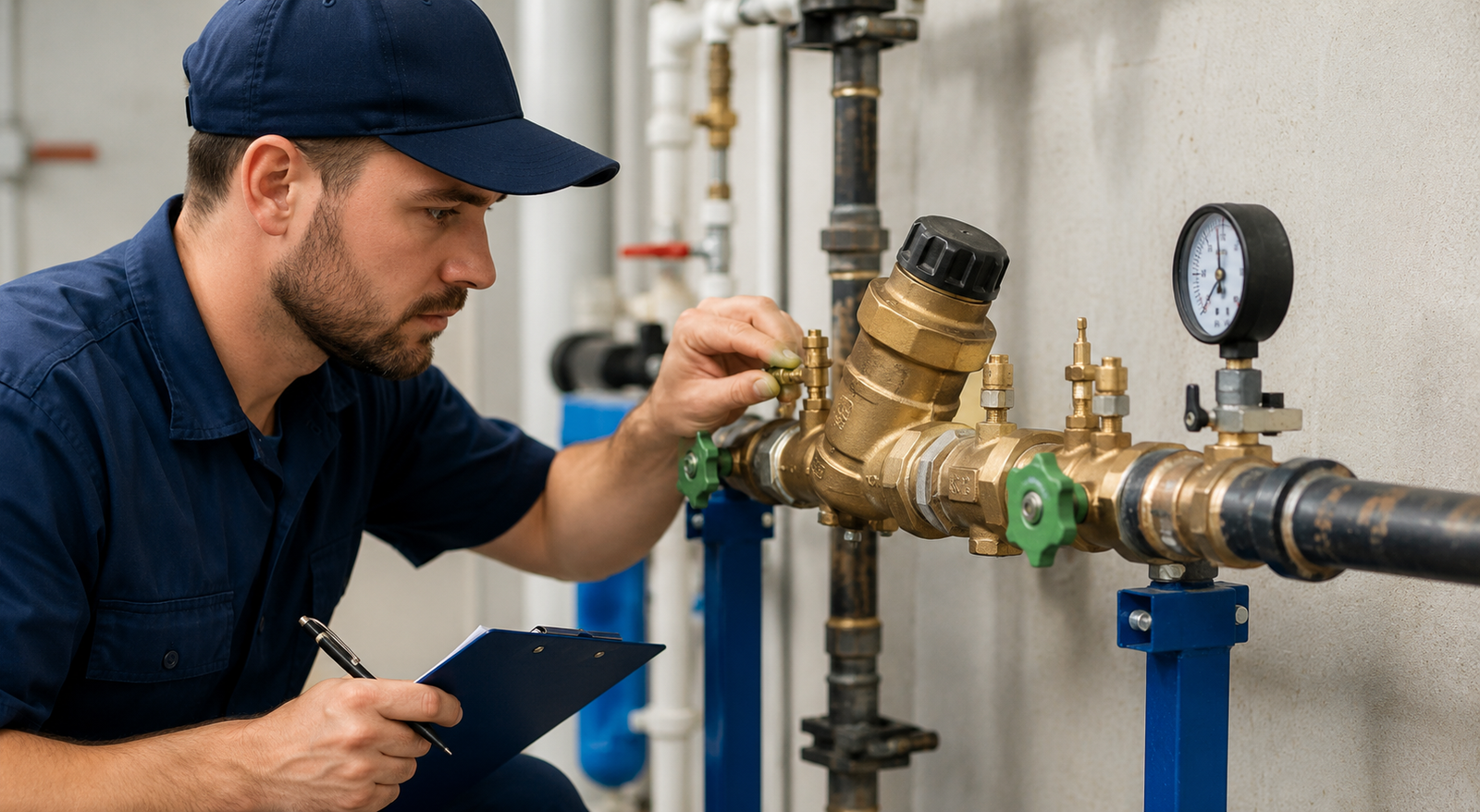
Experienced backflow replacement specialists inspect the device, surrounding plumbing connections, and installation area. They look for visible corrosion, leaks, damaged fittings, and other signs of deterioration.
The inspection may also include reviewing previous testing records and identifying the type and size of the existing assembly.
Several factors are considered during this assessment:
- The current device type and condition.
- Water line size and connection requirements.
- Available installation space.
- Operating pressure and flow requirements.
- Applicable local plumbing and backflow prevention requirements.
- Accessibility for future testing and maintenance.
This evaluation helps determine which replacement assembly is appropriate for the property.
Step 2: Selecting the Correct Replacement Assembly
Not every backflow prevention device is suitable for every plumbing system. Different assemblies are designed for different applications and levels of protection.
For example, a reduced pressure principle assembly may be required for certain high-hazard applications, while a double check valve assembly may be appropriate for some low-hazard systems.
The correct selection depends on the potential contamination risk, system configuration, local regulations, and approval requirements.
A professional should verify that the replacement assembly meets applicable standards and is suitable for the property’s water system.
Choosing the right device is important because an improperly selected assembly may not provide the required protection or meet local compliance requirements.
Step 3: Preparing the Installation Area
Before removing the existing device, the installation area must be prepared.
The technician may need to coordinate a temporary water shutdown to allow the work to be completed safely. Property owners or facility managers should be informed about any expected interruption.
The surrounding area is also checked to ensure there is enough room for equipment removal, installation, and future testing.
If the existing assembly is located outdoors, the technician may evaluate whether additional protection is needed against weather conditions, accidental damage, or unauthorized access.
This is where backflow enclosures services can become particularly important. Suitable enclosures can help protect backflow prevention assemblies from environmental exposure and physical damage while maintaining appropriate access for inspection and testing.
Step 4: Removing the Existing Backflow Device
Once the work area is ready, the technician isolates the relevant water line and safely removes the old assembly.
The removal process generally involves:
- Shutting off the appropriate water supply.
- Releasing pressure from the isolated section.
- Disconnecting the existing assembly.
- Removing damaged fittings or unsuitable connections when necessary.
- Inspecting the exposed piping for corrosion, wear, or other problems.
Careful removal helps prevent unnecessary damage to surrounding plumbing.
If the technician discovers additional problems, such as deteriorated pipes or damaged connection points, those issues may need to be addressed before installing the replacement device.
Step 5: Installing the New Backflow Prevention Assembly
After removing the old device and preparing the connections, the new assembly can be installed.
Professional installation involves more than simply connecting a new device to the existing water line. The assembly must be positioned and connected according to its manufacturer instructions and applicable installation requirements.
Technicians typically check:
- Correct device orientation.
- Proper pipe alignment.
- Secure connections and fittings.
- Required clearances.
- Accessibility for testing and servicing.
- Appropriate support for the assembly.
Incorrect installation can contribute to leaks, mechanical problems, or difficulties during future testing.
Working with qualified professionals helps ensure that the replacement is completed with attention to system requirements and long-term maintenance needs.
Step 6: Installing or Evaluating Backflow Enclosures
Outdoor backflow assemblies may need additional protection from weather, landscaping equipment, accidental impacts, and unauthorized access.
Professional backflow enclosures services can help address these concerns by providing suitable protective housing for the assembly.
When selecting an enclosure, several factors should be considered:
Proper Sizing: The enclosure should provide enough room for the device, piping, and required maintenance activities.
Weather Protection: Suitable materials and construction can help reduce exposure to rain, moisture, and other environmental conditions.
Accessibility: Technicians must be able to reach test ports, valves, and other serviceable components without unnecessary difficulty.
Durability: The enclosure should be appropriate for the installation environment and provide reliable physical protection.
Maintenance Requirements: The design should allow future inspections, repairs, and testing to be completed conveniently.
An enclosure should not interfere with the assembly’s operation or violate applicable installation requirements.
Step 7: Testing the New Assembly
Installation is not the final step. The replacement assembly must be evaluated to confirm that it operates correctly.
A qualified backflow tester uses appropriate testing equipment and procedures to assess the device’s performance.
Depending on the assembly type, testing may evaluate check valve performance, relief valve operation, and pressure conditions.
If the device passes the applicable testing requirements, the results can be documented according to local procedures.
If a problem is identified, additional adjustments or repairs may be necessary before the assembly can be considered ready for service.
Testing is essential because a newly installed device should not simply be assumed to function correctly.
Step 8: Documentation and Ongoing Maintenance
After completing the replacement and required testing, property owners should receive relevant service and testing documentation.
These records may include the replacement assembly details, installation information, testing results, and other information required by the local water authority.
Keep these records in an accessible location. They can be useful during future inspections, maintenance appointments, and compliance reviews.
Regular testing is also important. Backflow prevention assemblies may be subject to annual or other periodic testing requirements depending on local regulations and the type of installation.
Routine inspections can help identify leaks, corrosion, physical damage, and other problems before they become more serious.
Why Hire Professional Backflow Replacement Specialists?
Backflow prevention involves protecting an essential part of a property’s water supply. Improper installation or an unsuitable replacement device can create unnecessary risks and compliance issues.
Working with experienced backflow replacement specialists offers several advantages:
- Proper equipment selection: Professionals can identify an assembly suitable for the system and its hazard classification.
- Accurate installation: Correct positioning and connections help support reliable operation.
- Testing support: Qualified testers can evaluate whether the new assembly meets applicable performance requirements.
- Regulatory awareness: Professionals can help property owners understand relevant local testing and installation requirements.
- Maintenance guidance: Service recommendations can help property owners plan future inspections and maintenance.
For commercial properties, residential buildings, irrigation systems, and other installations, professional service can make the replacement process more manageable.
Protect Your Water Supply With Professional Backflow Replacement
A damaged or outdated backflow prevention assembly should not be ignored. Since these devices help protect drinking water from contamination, keeping them in proper working condition is an important responsibility for property owners.
Professional replacement generally involves an initial assessment, selecting the correct assembly, preparing the installation area, removing the old device, installing the replacement, and completing the required testing and documentation. Suitable backflow enclosures services can also provide additional protection for outdoor installations while keeping equipment accessible for maintenance.
If your existing device is leaking, repeatedly failing tests, or showing signs of deterioration, it may be time to arrange a professional inspection.
NC Backflow Tests provides backflow-related services to help property owners address their testing and replacement needs. Contact the team to discuss your existing assembly, understand your replacement options, and determine the appropriate next steps for protecting your property’s water supply.
Recent news
-
What Happens During a Professional Backflow Replacement Service?
02 November 2026

Schedule Your Backflow Test Today!
Ensure your water stays safe and compliant. Book your backflow test with us today—quick, easy, and hassle-free.