
29
October
How to Identify Backflow Problems in Your Home Before They Become Costly
Clean and safe water is essential for every household. Most homeowners expect water to flow in one direction through their plumbing system, from the public water supply into their homes. However, certain plumbing problems can cause water to flow in the opposite direction. This situation is known as backflow, and it can create serious concerns for your household water quality.
A faulty backflow prevention device, changing water pressure, or damaged plumbing connections can increase the risk of backflow. Identifying early warning signs can help prevent expensive plumbing problems and protect your water supply. Professional residential backflow repair services can help homeowners identify equipment issues, restore proper operation, and maintain a reliable plumbing system.
Understanding how backflow problems develop and when to seek professional assistance can make a significant difference in protecting your home.
What Is Residential Backflow and Why Does It Matter?
Backflow occurs when water moves in the opposite direction from its intended flow within a plumbing system. Under normal conditions, clean water travels from the municipal supply into your property. However, pressure changes can cause contaminated water from irrigation systems, garden hoses, or other connected sources to enter the potable water supply.
Two common situations can cause backflow:
- Backpressure: This happens when pressure within a private plumbing system becomes greater than the pressure in the public water supply.
- Backsiphonage: This occurs when a sudden drop in water pressure creates suction that pulls water backward into the supply system.
A properly installed and maintained backflow prevention assembly helps reduce these risks. When the device becomes damaged or stops functioning correctly, professional inspection and repair may be necessary.
1. Notice Unusual Changes in Water Quality
One possible warning sign of a plumbing or water supply problem is an unexpected change in water quality.
Pay attention if your household water develops an unusual appearance, odor, or taste. Cloudy water, discoloration, or an unfamiliar smell may indicate a plumbing issue that requires investigation.
These symptoms do not automatically mean backflow has occurred. They can also result from pipe corrosion, municipal maintenance, sediment, or other water system problems.
If you suspect contamination, stop using the affected water for drinking and cooking until its safety has been confirmed. Contact your water utility or an appropriate plumbing professional for guidance.
Professional residential backflow repair services can help determine whether a backflow prevention device is contributing to the problem.
2. Watch for Leaks Around the Backflow Preventer
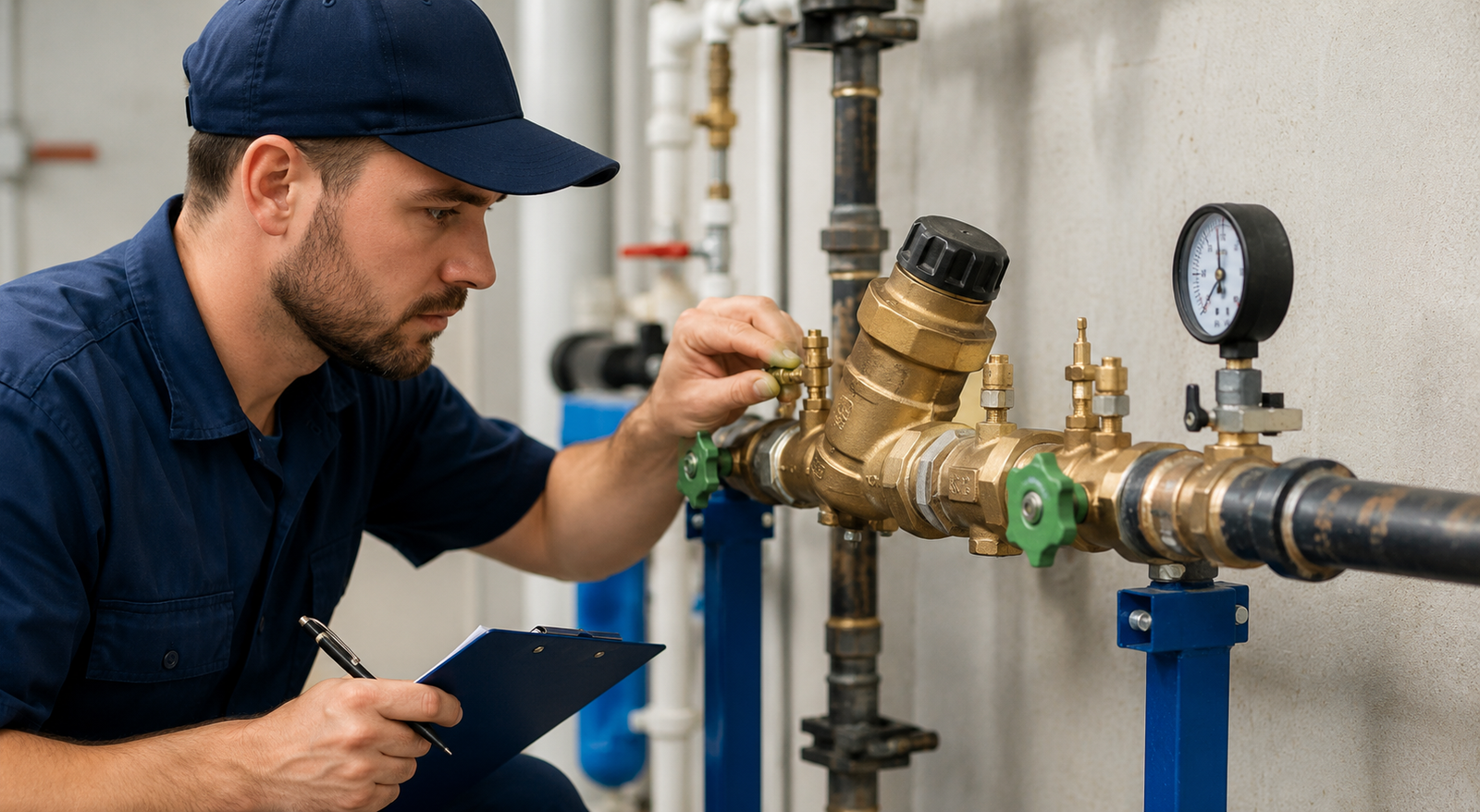
Visible water leaks around a backflow prevention assembly should never be ignored. Damaged seals, worn internal components, loose connections, or freezing-related damage can cause water to escape from the device.
Check the area around your backflow preventer for:
- Water collecting beneath the assembly.
- Dripping connections or visible corrosion.
- Cracks in the device housing.
- Damaged valves or fittings.
- Unusual water discharge.
Some backflow assemblies are designed to release water under certain conditions. However, continuous or unexpected discharge should be evaluated by a qualified technician.
Ignoring leaks can lead to water waste, property damage, and additional equipment problems. Early inspection may help prevent a minor issue from becoming a more expensive repair.
3. Pay Attention to Sudden Water Pressure Changes
Unexpected water pressure changes can indicate a plumbing problem. If your faucets suddenly produce weak or inconsistent water flow, it may be worth investigating.
Pressure fluctuations can result from several causes, including municipal supply changes, clogged pipes, faulty pressure regulators, and problems with plumbing equipment.
Although low water pressure alone does not confirm a backflow issue, sudden pressure changes can contribute to backsiphonage under certain conditions.
If you notice unusual pressure changes throughout your home, arrange a plumbing inspection. A qualified technician can evaluate the system and determine whether your backflow prevention assembly is operating properly.
4. Check Your Irrigation System Connections
Residential irrigation systems are important areas to monitor because they may connect potable water supplies with outdoor water sources.
Garden hoses, sprinkler systems, fertilizer injection equipment, and chemical applications can create potential contamination risks if appropriate backflow protection is missing or malfunctioning.
Inspect your irrigation connections for visible leaks, damaged fittings, and signs of improper installation.
Homeowners should also avoid leaving garden hoses submerged in swimming pools, buckets, or chemical containers. Under certain pressure conditions, contaminated water could be drawn back into the household supply.
If your irrigation system has a backflow prevention device, arrange periodic inspections and testing according to applicable local requirements.
5. Look for Corrosion and Physical Damage
Backflow prevention assemblies are exposed to environmental conditions that can affect their performance over time.
Outdoor installations may experience temperature changes, moisture, dirt, and accidental physical damage. These conditions can contribute to corrosion, weakened connections, and worn components.
During a visual inspection, look for rust, cracks, missing protective covers, loose fittings, and other visible signs of deterioration.
Never attempt to disassemble or adjust the internal components yourself. Backflow devices contain specialized parts that must function correctly to provide protection.
A trained technician can determine whether cleaning, component repair, or complete replacement is the most appropriate solution.
6. Understand When Backflow Repair Is Necessary
Not every backflow problem requires a complete equipment replacement. In some cases, damaged seals, worn check valves, faulty springs, or other replaceable components may be responsible for the issue.
Professional residential backflow repair services can help identify the source of the problem and determine whether the existing assembly can be restored to proper operation.
A typical repair process may include:
- Inspecting the backflow prevention assembly.
- Identifying visible damage or malfunctioning components.
- Performing the required diagnostic tests.
- Repairing or replacing defective internal parts.
- Testing the assembly after the repair.
- Confirming that the device meets applicable performance requirements.
Working with an experienced technician can help ensure that repairs are completed correctly and that the device provides the protection your plumbing system needs.
7. Know When Backflow Replacement Services Are Needed
Sometimes, repairing an existing backflow preventer is no longer practical. Extensive corrosion, repeated failures, severe physical damage, or an outdated assembly may make replacement a better option.
Professional backflow replacement services can help homeowners select and install an appropriate device based on their plumbing configuration and local requirements.
Replacement may be recommended when:
- The assembly has extensive internal damage.
- Important components are no longer available.
- The device repeatedly fails required testing.
- The equipment is incompatible with current system requirements.
- Repair costs are no longer reasonable compared with replacement.
A qualified professional can inspect the existing equipment, explain available options, and recommend an appropriate replacement.
Proper installation and post-installation testing are important steps in confirming that the new assembly operates as intended.
8. Schedule Regular Backflow Testing and Maintenance
Preventive maintenance can help identify equipment problems before they lead to more serious complications.
Backflow testing evaluates whether a prevention assembly is functioning within its required performance standards. Testing should be performed by a qualified professional using appropriate equipment and procedures.
Homeowners should follow applicable local testing schedules and requirements. Depending on the device and local regulations, periodic testing may be required to verify continued protection.
Regular maintenance can also help identify worn components, leaks, corrosion, and other signs of deterioration.
Keeping records of previous inspections, repairs, and test results can make future maintenance easier and help technicians understand the equipment’s history.
9. Avoid Delaying Professional Repairs
A small leak or minor equipment issue may not seem urgent, but delaying repairs can allow the problem to become more serious.
A malfunctioning backflow prevention assembly may fail to protect the potable water supply against contamination. Other equipment problems can also lead to water waste, unexpected plumbing expenses, and system downtime.
If you notice unusual water quality, visible leaks, physical damage, or repeated testing failures, contact a qualified professional.
Avoid attempting temporary repairs with household sealants or unauthorized adjustments. Backflow prevention equipment requires proper installation, testing, and maintenance to function correctly.
Protect Your Home With Professional Backflow Repair Services
Backflow problems can develop gradually, making early identification important for homeowners. Unusual water quality, leaking connections, pressure changes, corrosion, and irrigation system issues are all reasons to investigate your plumbing system.
Professional residential backflow repair services can help identify malfunctioning components, restore proper device operation, and determine whether repairs or replacement are necessary.
If your equipment is severely damaged or repeatedly fails testing, backflow replacement services may provide a more suitable long-term solution.
NC Backflow Tests offers backflow-related services to help property owners address equipment problems and maintain reliable backflow prevention systems. By scheduling appropriate inspections, addressing warning signs early, and following local testing requirements, you can take practical steps toward protecting your household water supply and avoiding preventable plumbing expenses.
Recent news
-
What Happens During a Professional Backflow Replacement Service?
02 November 2026
Schedule Your Backflow Test Today!
Ensure your water stays safe and compliant. Book your backflow test with us today—quick, easy, and hassle-free.