

21
October
When Do You Need Professional Backflow Restoration Services?
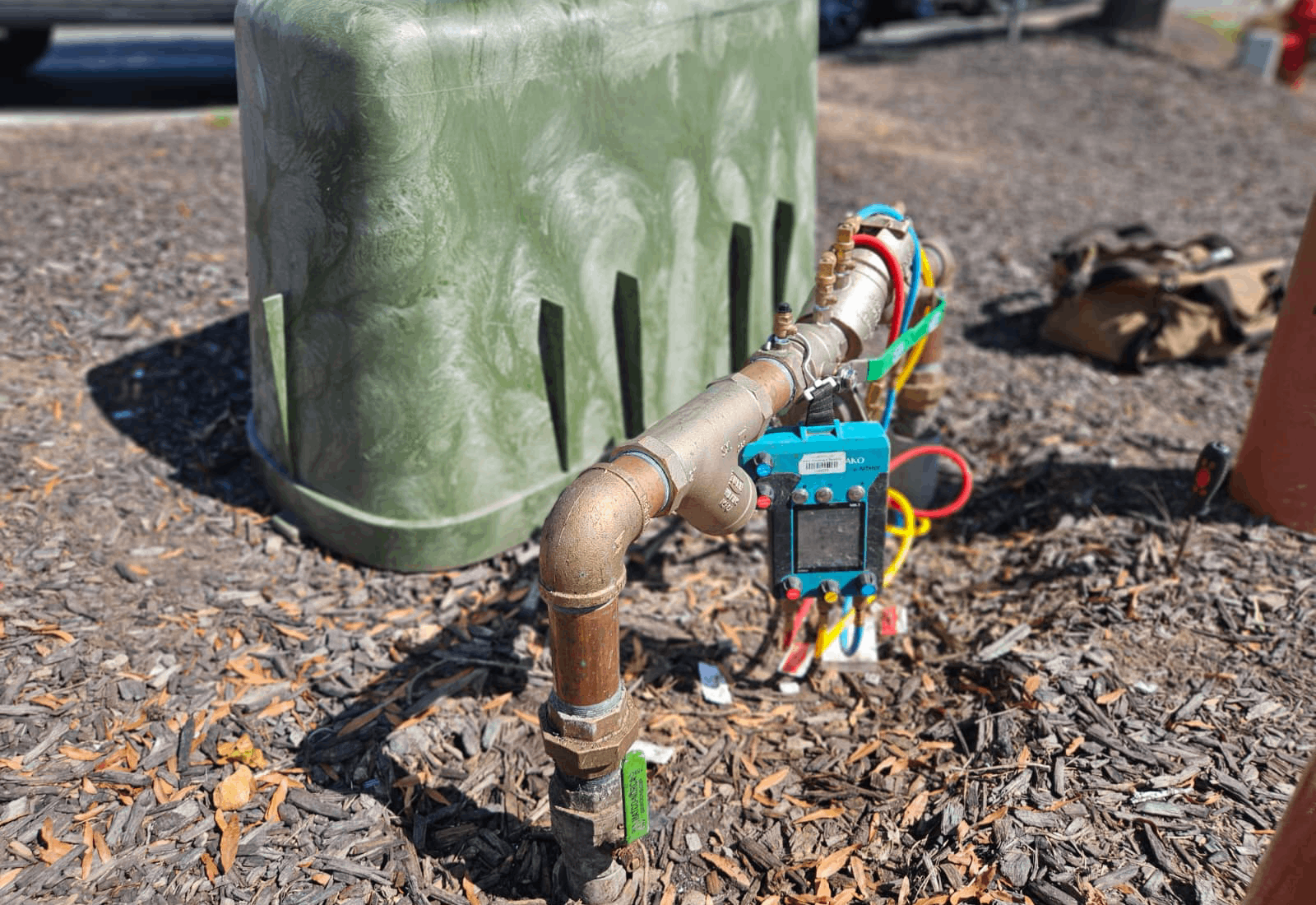
Clean water is essential for every home and business. However, a damaged or malfunctioning backflow prevention device can put your water supply at risk. When this equipment fails, contaminated water may flow backward into the clean water system, creating potential health and safety concerns.
That is why professional backflow restoration services are important for maintaining a reliable plumbing system. Restoration can address worn components, damaged valves, leaks, and other issues that prevent a backflow device from operating correctly.
At NC Backflow Tests, property owners can find professional backflow testing, repair, and restoration solutions. Whether you manage a commercial property or own a home with an irrigation system, understanding when restoration is necessary can help you protect your water supply and avoid preventable plumbing problems.
What Are Backflow Restoration Services?
Backflow restoration services involve inspecting, repairing, cleaning, or rebuilding a backflow prevention device to restore its proper operation. These devices help prevent potentially contaminated water from entering the potable water supply.
Over time, internal components may wear out because of regular use, mineral deposits, corrosion, freezing temperatures, or other environmental conditions. Even a device that looks fine from the outside may not function correctly.
Professional restoration may include:
- Inspecting the backflow prevention assembly.
- Identifying damaged or worn internal components.
- Cleaning debris and buildup when appropriate.
- Replacing defective seals, springs, valves, and other approved parts.
- Rebuilding the assembly when suitable.
- Testing the device after repairs to verify its performance.
The appropriate solution depends on the device’s condition, manufacturer requirements, and applicable local regulations.
Why Is Backflow Restoration Important?
A properly functioning backflow prevention device helps protect drinking water from contamination caused by cross-connections and changes in water pressure.
For example, irrigation systems may contain fertilizers, pesticides, or other substances that should never enter a drinking water supply. Certain commercial plumbing systems can also create cross-connection risks.
When a backflow preventer fails, restoration may help address the problem before it leads to more serious consequences.
Key benefits include:
1. Protecting water quality: Properly functioning backflow equipment helps prevent contaminated water from entering clean water lines.
2. Improving system reliability: Repairing defective components can restore the equipment’s intended operation.
3. Supporting compliance: Timely repairs and follow-up testing can help property owners meet applicable water provider requirements.
4. Avoiding unnecessary replacement: When the assembly remains structurally sound and can be repaired, restoration may offer an alternative to replacing the entire device.
5. Reducing future problems: Identifying the cause of failure can help property owners make informed maintenance decisions.
What Are the Signs You Need Backflow Restoration Services?
Recognizing potential problems early can help you arrange an inspection before a minor issue becomes more serious.
Watch for these warning signs:
- Failed backflow test: A failed test indicates that the device requires further evaluation.
- Visible leaks: Water around valves, fittings, or connections may indicate a component problem.
- Corrosion or physical damage: Rust, cracks, or damaged fittings may affect the assembly’s condition.
- Pressure irregularities: Unexpected changes in water pressure may indicate a plumbing problem, although other causes are possible.
- Repeated equipment failures: Recurring test failures may point to worn components or an underlying system issue.
- Damage after freezing weather: Low temperatures can damage exposed pipes and backflow assemblies.
Do not rely on appearance alone to determine whether a device works correctly. Professional testing is necessary to evaluate its performance.
If you suspect contamination, avoid drinking or using the affected water for food preparation until you receive appropriate guidance from your water provider or local public health authority.
How Does the Backflow Restoration Process Work?
Understanding the restoration process helps you know what to expect when arranging professional service.
1. Inspection and Diagnosis
A technician examines the backflow assembly, checks for visible damage, and evaluates the reported problem. Testing may help identify which part is failing.
2. Repair Recommendations
After the assessment, the technician explains the available options. Depending on the findings, the device may need cleaning, component replacement, rebuilding, or complete replacement.
3. Component Repair or Replacement
When restoration is appropriate, defective parts are repaired or replaced with compatible components according to manufacturer requirements and applicable standards.
4. Performance Testing
After the work is completed, the assembly should be tested to verify that it operates correctly. If it fails again, additional repairs or replacement may be necessary.
5. Documentation and Compliance
Required test reports and repair documentation should be completed and submitted according to the applicable water provider’s procedures. Property owners should confirm that the necessary records have been received.
NC Backflow Tests can help property owners understand their backflow service needs and arrange appropriate testing or repair solutions.
Is Backflow Restoration Better Than Replacement?
The answer depends on the condition of the device.
Restoration may be appropriate when the assembly is structurally sound and its problems can be corrected by repairing or replacing individual components. This approach may reduce costs and extend the equipment’s useful service life.
Replacement may be the better option when the assembly has extensive damage, cannot be restored reliably, lacks suitable replacement parts, or does not meet applicable requirements.
A professional assessment can help determine which option makes the most sense for your property. Ask for a clear explanation of the recommended work and the costs involved before authorizing service.
How Much Do Backflow Restoration Services Cost?
The cost of backflow restoration services varies depending on several factors, including:
- The type and size of the backflow assembly.
- The extent of the damage.
- The replacement parts required.
- Labor and accessibility.
- Whether the device needs a complete rebuild.
- The cost of post-repair testing and documentation.
A minor component repair generally involves different costs from a complete rebuild or replacement. For this reason, requesting an assessment and itemized estimate is the best way to understand your expected expenses.
NC Backflow Tests can help you determine which services your system needs. Contact the company for pricing based on your particular assembly and repair requirements.
Why Choose NC Backflow Tests?
Choosing a knowledgeable backflow service provider helps you understand your equipment’s condition and the steps needed to maintain reliable protection.
NC Backflow Tests provides backflow-related services, including testing, repair, installation, and system evaluations. The company’s approach emphasizes identifying problems, explaining findings, and recommending appropriate solutions.
When arranging service, look for a provider who can:
- Evaluate the assembly and explain test results.
- Recommend suitable repairs or replacement when necessary.
- Use appropriate parts and follow manufacturer requirements.
- Perform required post-repair testing.
- Explain local reporting and compliance requirements.
Visit NC Backflow Tests to learn more about available services and request assistance with your backflow prevention system.
People Also Ask: Frequently Asked Questions
1. What are backflow restoration services?
Backflow restoration services involve repairing, cleaning, rebuilding, or servicing a backflow prevention device to restore proper operation. The work may include replacing worn components and testing the assembly after repairs.
2. Can a backflow preventer be repaired instead of replaced?
Yes. A backflow preventer may be repairable when its main structure remains in good condition and suitable replacement parts are available. Severely damaged or unsuitable assemblies may require replacement.
3. What causes a backflow preventer to fail?
Common causes include worn seals, damaged valves, debris buildup, corrosion, freezing temperatures, and normal component wear. Professional testing helps identify the actual cause.
4. Does a backflow preventer need testing after restoration?
Yes, post-repair testing is generally necessary to verify that the assembly operates correctly and meets applicable requirements. The required test and reporting procedures depend on the local water provider and device.
5. How long does backflow restoration take?
The time required depends on the assembly type, the severity of the problem, parts availability, and whether additional work is needed. A straightforward repair may take less time than a complete rebuild or replacement.
6. How often should a backflow preventer be tested in North Carolina?
Testing schedules depend on the type of assembly and local water provider requirements. For example, Raleigh generally requires annual testing for commercial irrigation assemblies and testing every three years for residential irrigation assemblies. Other devices may follow different schedules. Confirm the requirements with your local water provider.
7. Who should I contact for backflow restoration services?
Contact a qualified backflow service provider who can evaluate the device, recommend appropriate repairs, and arrange the required testing and documentation. Visit NC Backflow Tests to explore backflow service options.
Conclusion
Backflow restoration services play an important role in protecting water quality and maintaining reliable plumbing systems. From worn seals and leaking valves to failed performance tests, addressing backflow device problems promptly can help prevent larger issues.
The right solution depends on the assembly’s condition and applicable requirements. Professional inspection, appropriate repairs, and follow-up testing help confirm whether the device is operating correctly.
If your backflow preventer has failed a test or shows signs of damage, contact NC Backflow Tests to discuss your options. Visit https://ncbackflowtests.com/ to learn more and take the next step toward a properly functioning backflow prevention system.
Recent news
-
When Do You Need Professional Backflow Restoration Services?
21 October 2026
-
Backflow Replacement Specialists: Expert Service for Safe Water
17 October 2026
Schedule Your Backflow Test Today!
Ensure your water stays safe and compliant. Book your backflow test with us today—quick, easy, and hassle-free.