

17
October
Backflow Replacement Specialists: Expert Service for Safe Water
Clean, safe water is essential for every home and business. However, a damaged or malfunctioning backflow prevention device can put your water supply at risk. When your system no longer works correctly, hiring experienced backflow replacement specialists can help restore reliable protection and support compliance with applicable water safety requirements.
At NC Backflow Tests, we provide backflow testing, repair, installation, and replacement solutions for residential and commercial properties. Our goal is to help property owners understand their systems, identify potential problems, and choose practical solutions for protecting their water supply.
In this guide, we explain how backflow prevention works, when replacement may be necessary, and what to consider when choosing a professional service provider.
What Do Backflow Replacement Specialists Do?
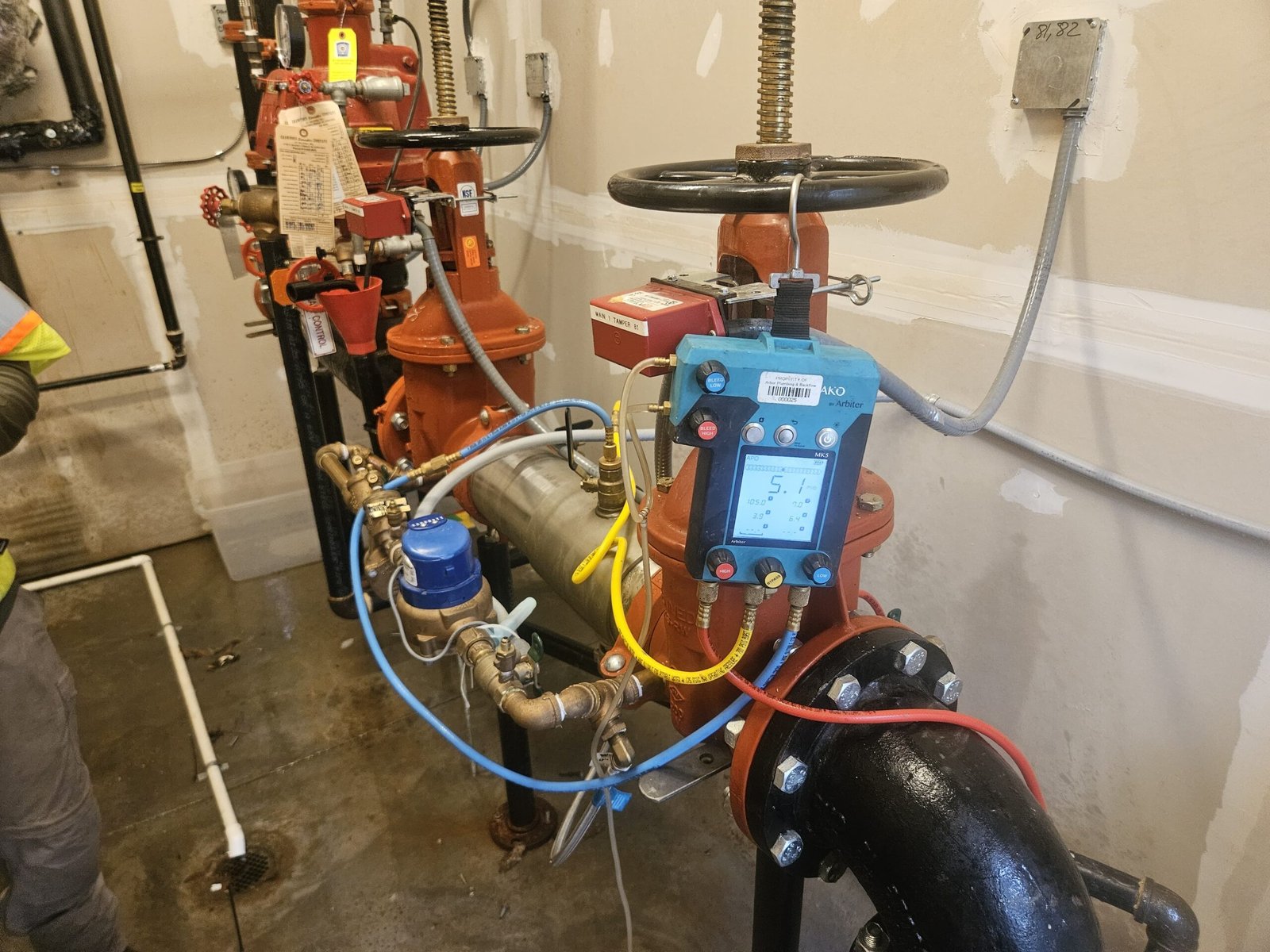
Backflow replacement specialists inspect, remove, and replace backflow prevention assemblies that are damaged, outdated, or unable to meet the requirements of the water system.
A backflow preventer is designed to stop contaminated water from flowing backward into a clean water supply. Backflow can occur when changes in water pressure cause water to reverse direction. Without proper protection, contaminants from irrigation systems, chemical connections, or other sources may enter potable water lines.
Professional specialists evaluate the existing assembly, assess its condition, and recommend an appropriate replacement when repairs are no longer the best solution.
Their work may include:
- Inspecting existing backflow prevention devices.
- Identifying worn, damaged, or failing components.
- Recommending suitable replacement assemblies.
- Removing old equipment and installing a new device.
- Testing the replacement assembly after installation.
- Providing applicable test results and compliance documentation.
Working with knowledgeable professionals helps property owners make informed decisions about water safety and system maintenance.
Signs You May Need Backflow Preventer Replacement
Backflow prevention devices can experience wear over time. Environmental exposure, corrosion, freezing temperatures, debris, and mechanical deterioration may affect their performance.
Recognizing potential warning signs can help you arrange an inspection before a minor issue becomes a larger problem.
1. Your Device Fails a Backflow Test
A failed backflow test indicates that the assembly may not be operating within the required performance standards. In some cases, a repair can resolve the problem. However, extensive damage or repeated failures may make replacement the more practical option.
A qualified technician can evaluate the results and explain the available solutions.
2. You Notice Leaks or Corrosion
Visible leaks, rust, cracked fittings, and damaged housings can indicate that a backflow assembly needs professional attention. External damage may also affect internal components.
Avoid attempting complex repairs yourself. A professional inspection can determine whether the device can be repaired safely or requires replacement.
3. Your Device Is Old or Outdated
Older assemblies may become less reliable as components deteriorate. A device may also become unsuitable for the current application or fail to meet applicable local requirements.
An experienced specialist can evaluate the existing equipment and recommend a replacement that fits the system’s needs.
4. Repairs Are Becoming Frequent
Repeated repairs can increase maintenance costs and create ongoing uncertainty about system performance. If your backflow preventer continues to fail, replacing it may offer a more dependable long-term solution.
The right decision depends on the device’s condition, repair costs, compatibility, and applicable requirements.
Why Professional Backflow Replacement Matters
Replacing a backflow preventer involves more than removing old equipment and connecting a new assembly. The replacement must provide appropriate protection and work correctly within the existing plumbing system.
Protecting Drinking Water
The primary purpose of a backflow prevention assembly is to reduce the risk of contamination entering the potable water supply. Professional replacement helps address equipment failures that could compromise this protection.
Supporting Regulatory Compliance
Backflow prevention requirements vary according to the property, water provider, device type, and local jurisdiction. Some systems require approved assemblies, periodic testing, and documentation.
Professional specialists can help property owners understand the applicable requirements and complete the necessary testing and reporting steps.
Reducing Unexpected Problems
Incorrect installation can lead to leaks, poor performance, and difficulties during future maintenance. A qualified professional evaluates installation conditions and follows applicable codes, manufacturer instructions, and local requirements.
This approach supports reliable operation and helps reduce avoidable service problems.
Residential Backflow Replacement Services
Homeowners may need backflow replacement for irrigation systems, lawn sprinkler connections, and other plumbing applications that require backflow protection.
A malfunctioning assembly can create concerns about water safety and may prevent the system from meeting applicable testing requirements.
Professional residential backflow replacement typically involves evaluating the existing device, selecting a suitable replacement, installing the assembly, and arranging the required performance testing.
A specialist can also explain how to protect the new equipment from weather exposure and identify maintenance steps that may help extend its service life.
For homeowners, clear communication is especially important. Understanding why a replacement is necessary helps you make a confident decision without paying for unnecessary work.
Commercial Backflow Replacement for Businesses
Commercial properties often have more complex plumbing systems and greater water protection responsibilities. Offices, restaurants, schools, industrial facilities, and other businesses may rely on backflow prevention assemblies to protect their water systems.
When a commercial device fails, property managers may need to coordinate repairs or replacement while minimizing disruption to daily operations.
Professional commercial backflow replacement services can help with:
- Evaluating existing assemblies and installation conditions.
- Replacing damaged or unsuitable devices.
- Coordinating work around business operations.
- Testing the new assembly as required.
- Preparing applicable compliance records.
- Recommending future maintenance and testing schedules.
Choosing experienced specialists helps facility managers understand the condition of their equipment and plan necessary work more effectively.
What to Expect During the Backflow Replacement Process
Understanding the replacement process makes it easier to prepare for service and know what happens next.
Step 1: Inspection and Evaluation
The technician examines the existing assembly, identifies visible damage, reviews test results when available, and determines whether repair or replacement is appropriate.
Step 2: Selecting the Right Device
The replacement must suit the system’s application and meet applicable approval and installation requirements. The specialist considers factors such as the type of protection required, system configuration, and available installation space.
Step 3: Removing and Replacing the Assembly
The technician safely isolates the relevant plumbing section, removes the old equipment, and installs the replacement according to manufacturer instructions and applicable codes.
Step 4: Testing and Verification
After installation, the assembly should be tested using the appropriate procedures and equipment. This helps verify performance and identify problems that need correction.
Step 5: Documentation and Follow-Up
Where required, the relevant test results and compliance documents are prepared or submitted. The specialist can also explain future testing requirements and maintenance recommendations.
Following these steps helps establish a clear record of the work and the condition of the replacement assembly.
How to Choose the Right Backflow Replacement Specialists
Not every plumbing service provider focuses on backflow prevention. When comparing professionals, look for relevant qualifications, experience, and an understanding of local requirements.
Consider these factors before scheduling service:
- Relevant certification: Confirm that the technician holds the credentials required for the work and jurisdiction.
- Accurate diagnosis: Choose a provider who explains why replacement is necessary rather than recommending it automatically.
- Appropriate equipment: Ensure the proposed assembly is suitable for your application and applicable approval requirements.
- Clear pricing: Request an explanation of equipment, labor, testing, and any additional charges.
- Testing and documentation: Ask how post-installation testing and required reporting will be handled.
- Maintenance guidance: Look for a provider who explains how to maintain the new assembly and plan future testing.
These considerations can help you choose a service provider who prioritizes safety, clear communication, and dependable results.
Why Choose NC Backflow Tests?
NC Backflow Tests helps residential and commercial property owners address backflow prevention needs through testing, inspection, repair, installation, and replacement services.
Our approach emphasizes understanding the existing system, identifying potential risks, explaining findings, and recommending appropriate next steps. Rather than treating every problem the same way, we focus on helping customers understand their options.
Whether your assembly has failed a test, developed a leak, or reached the point where replacement should be considered, professional guidance can help you determine the best course of action.
Visit NC Backflow Tests to learn more about available services and schedule assistance for your property.
Conclusion
Backflow prevention is an important part of protecting water quality in residential and commercial plumbing systems. When an assembly becomes damaged, unreliable, or unsuitable for its application, professional replacement can help restore the protection your system needs.
Experienced backflow replacement specialists can evaluate the problem, recommend the appropriate equipment, complete the installation, and help verify that the new assembly operates correctly.
Do not ignore repeated test failures, visible leaks, or signs of deterioration. Contact NC Backflow Tests to discuss your backflow prevention needs and take the next step toward a safer, more reliable water system.
Recent news
-
When Do You Need Professional Backflow Restoration Services?
21 October 2026
-
Backflow Replacement Specialists: Expert Service for Safe Water
17 October 2026
Schedule Your Backflow Test Today!
Ensure your water stays safe and compliant. Book your backflow test with us today—quick, easy, and hassle-free.