

10
March
Backflow Testing and Repair: Why They Are Essential for Safe Water Systems
Clean and safe drinking water is something most people take for granted. However, behind the scenes, plumbing systems work continuously to keep water flowing in the correct direction and prevent contamination. One of the most critical safety measures in modern plumbing systems is backflow testing and backflow repair. These services ensure that contaminated water never flows backward into your clean water supply.
Whether you own a home, manage a commercial property, or operate an industrial facility, understanding the importance of backflow prevention can help protect public health and avoid costly plumbing problems.
What Is Backflow?
Backflow occurs when water flows in the opposite direction from its intended path. Normally, water should move from the municipal supply into your building’s plumbing system. However, due to sudden pressure changes, water can reverse direction and carry contaminants such as chemicals, pesticides, or bacteria into the clean water supply.
There are two main causes of backflow:
Backpressure
Backpressure happens when the pressure inside a building’s plumbing system becomes higher than the pressure in the municipal water supply. This can force contaminated water back into the public water system.
Backsiphonage
Backsiphonage occurs when a sudden drop in water pressure creates a vacuum effect that pulls contaminated water into the clean supply.
Both situations can lead to serious health risks if not properly managed.
Why Backflow Testing Is Important
Backflow testing is the process of inspecting and evaluating a backflow prevention device to ensure it is functioning properly. These devices are designed to prevent contaminated water from entering the main water supply.
Regular backflow testing is essential for several reasons.
Protects Public Health
Contaminated water can contain harmful substances such as chemicals, fertilizers, bacteria, and industrial waste. If backflow occurs, these contaminants may enter the drinking water system and pose serious health risks to the community.
Routine testing helps ensure the prevention device is working correctly and protecting the water supply.
Meets Local Regulations
In many cities and states, annual backflow testing is required by law for residential, commercial, and industrial properties. Property owners must provide documentation proving that their backflow prevention devices have been tested and approved by certified professionals.
Failing to comply with these regulations can result in fines, penalties, or even water service interruption.
Prevents Expensive Plumbing Damage
If a backflow prevention device fails, contaminated water can enter plumbing systems and cause corrosion or damage. Early detection through testing helps prevent costly repairs and plumbing emergencies.
Maintains Water System Efficiency
Regular testing ensures that backflow devices operate efficiently and maintain proper water pressure throughout the system.
How Backflow Testing Works
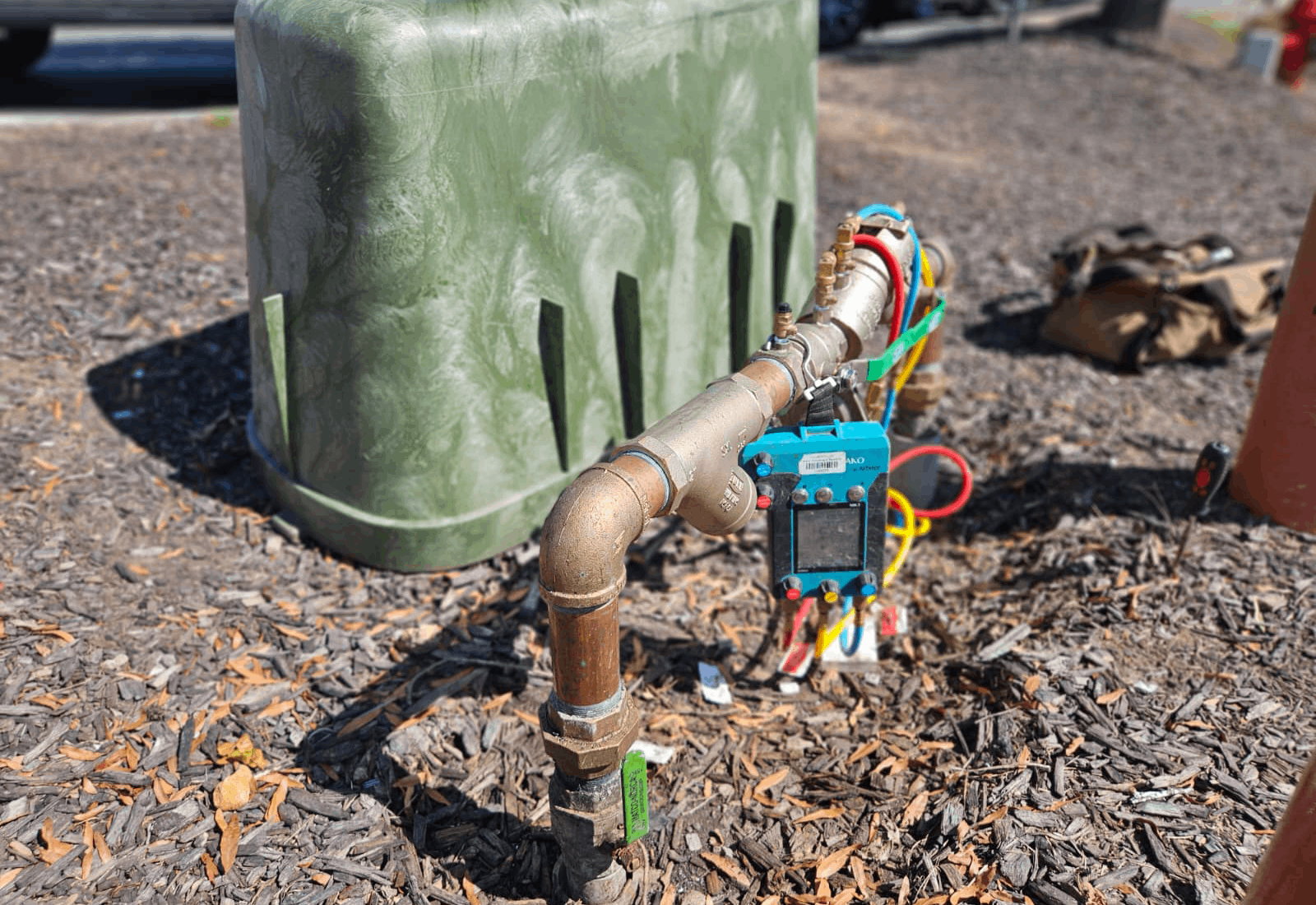
Backflow testing is performed by a certified technician using specialized equipment. The process usually includes several steps:
Inspection of the Device
The technician examines the backflow prevention assembly to ensure there are no visible signs of damage, leaks, or wear.
Pressure Testing
Using calibrated gauges, the technician measures pressure levels inside the device to ensure the valves open and close properly.
Performance Verification
Each component of the device is tested to confirm it prevents reverse water flow effectively.
Documentation and Reporting
After testing, the technician provides an official report confirming whether the device passed or failed. If the device fails, immediate backflow repair may be necessary.
Signs You May Need Backflow Repair
Even the best backflow prevention devices can wear out over time. Recognizing early warning signs can help you address issues before they become serious.
Some common signs that you may need backflow repair include:
• Discolored or cloudy water
• Unusual taste or odor in drinking water
• Leaking backflow prevention device
• Sudden changes in water pressure
• Failed backflow test results
If you notice any of these symptoms, contacting a certified plumbing professional immediately is important.
What Happens During Backflow Repair
When a backflow prevention device fails inspection, technicians perform backflow repair to restore proper function. The repair process may include:
Valve Replacement
Backflow devices contain several valves that control water flow. If a valve becomes worn or damaged, it may need replacement to ensure the device works correctly.
Cleaning Internal Components
Dirt, debris, and mineral buildup can affect the device’s performance. Technicians may clean internal components to restore proper operation.
Seal and Gasket Replacement
Seals and gaskets prevent leaks and maintain proper pressure levels. Over time, these parts may degrade and require replacement.
Device Recalibration
After repairs are completed, the device is recalibrated and retested to confirm it meets safety standards.
Properties That Require Backflow Testing
Many types of properties require routine backflow testing and maintenance, including:
• Residential homes with irrigation systems
• Commercial buildings
• Restaurants and food facilities
• Hospitals and healthcare facilities
• Manufacturing plants
• Fire sprinkler systems
• Apartment complexes
Any property connected to the municipal water supply can potentially create cross-connection hazards, making backflow prevention essential.
Benefits of Professional Backflow Services
Hiring certified professionals for backflow testing and backflow repair offers several advantages.
Expertise and Certification
Certified technicians have the training and equipment needed to properly test and repair backflow prevention devices according to industry standards.
Compliance Documentation
Professional services provide official testing reports that can be submitted to local authorities to demonstrate compliance with regulations.
Long-Term System Protection
Regular inspections and maintenance extend the life of your plumbing system and reduce the risk of unexpected failures.
Peace of Mind
Knowing your water supply is protected from contamination gives property owners confidence and reassurance.
How Often Should Backflow Testing Be Done?
Most municipalities require annual backflow testing, but some high-risk facilities may need testing more frequently. It’s always best to check with local water authorities to understand specific requirements.
Scheduling routine testing ensures your device remains compliant and continues to protect your water system.
Tips to Maintain Your Backflow Prevention System
Property owners can also take steps to help maintain their systems between inspections.
• Schedule annual professional backflow testing
• Keep the device area clean and accessible
• Monitor for leaks or unusual water pressure changes
• Avoid placing heavy objects near the device
• Call a professional immediately if issues appear
Preventive maintenance can help avoid unexpected breakdowns and expensive repairs.
Final Thoughts
Water safety is a critical responsibility for property owners and communities alike. Backflow testing and backflow repair play an essential role in protecting drinking water from contamination and ensuring plumbing systems operate safely and efficiently.
Regular inspections, timely repairs, and professional maintenance help keep backflow prevention devices functioning properly while maintaining compliance with local regulations.
By investing in routine backflow services, property owners not only protect their plumbing systems but also contribute to the safety and health of the entire community.
Recent news
-

How Much Does It Cost to Rebuild a Backflow?
06 August 2026
-
How Much Should It Cost to Replace a Backflow Valve?
03 August 2026
Schedule Your Backflow Test Today!
Ensure your water stays safe and compliant. Book your backflow test with us today—quick, easy, and hassle-free.